
June 2026: Public Investment, Freight Charging and Smart Energy Reshape Europe's CPO Market
.png)
June 2026: Public Investment, Freight Charging and Smart Energy Reshape Europe's CPO Market
June reinforced three themes that are increasingly defining Europe's charging market: public-private investment models are scaling faster than ever, heavy-duty charging has moved firmly into national infrastructure policy, and energy management is becoming as important as charger deployment itself.
From Hampshire's 17,000-point concession and Germany's €1 billion truck charging programme to GreenWay's landmark debt financing and Galp's completed Portuguese motorway corridor, the month demonstrated that Europe's leading operators are increasingly competing through network scale, grid integration and access to long-term capital rather than charger numbers alone.
Multi-Regional / Europe-Wide
GreenWay Secures €138 Million to Accelerate Central and Eastern European Expansion
GreenWay raised €138 million through a consortium of European financial institutions, bringing total funding since its launch to €258 million. The financing will support network expansion, service quality improvements and customer experience across Poland and neighbouring markets. More significantly, the transaction represents one of the first large-scale debt financings for an independent charging operator in Central and Eastern Europe, highlighting growing institutional confidence that charging infrastructure has matured into an investable long-term asset class.
Infrastructure debt is emerging as a major source of growth capital for mature CPOs, with operators that have stable utilisation, recurring revenues and scalable business models increasingly able to access lower-cost capital while reducing shareholder dilution.
Zenobē Raises £980 Million to Scale Fleet Electrification
Zenobē secured approximately £980 million to finance more than 1,200 electric buses and associated charging infrastructure across the UK and Ireland, increasing total capital raised since 2017 to more than £3.2 billion. The funding supports an integrated business model combining financing, charging infrastructure, batteries, software and operational energy management, illustrating how fleet electrification increasingly extends well beyond hardware deployment.
Valeo and Nissan Bring Vehicle-to-Grid Closer to Commercial Deployment
Valeo will supply Nissan with both smart AC charging and bidirectional Vehicle-to-Grid (V2G) chargers across Europe, beginning in the UK. Eligible Nissan vehicles will be capable of exporting electricity back to homes and the wider electricity grid, allowing EV batteries to become distributed energy assets rather than simply electricity consumers. While V2G has been discussed for years, this partnership marks another step towards commercial deployment at scale through OEM-backed charging ecosystems.This partnership suggests V2G is moving from pilot projects towards commercial implementation. CPOs should prepare networks that support smart charging, interoperability and participation in flexibility markets, where flexibility services could become a significant new revenue stream alongside charging.
Vehicle Manufacturers Continue Expanding into Charging Infrastructure
BYD launched its first commercial Flash Charging site in Germany while confirming plans to deploy around 3,000 ultra-fast charging points across Europe, including approximately 300 in the UK. The network supports charging architectures of up to 1,500 kW for compatible vehicles and forms part of BYD's broader strategy to build an integrated ecosystem spanning vehicle sales, retail locations and charging infrastructure. Unlike previous OEM charging partnerships, BYD is directly investing in proprietary charging assets to strengthen customer retention and differentiate its premium vehicle offering.
Northern Europe
United Kingdom
Hampshire Awards UK's Largest LEVI Charging Contract
Hampshire County Council awarded Believ a 15-year concession to deploy more than 17,000 public charge points, backed by £6.6 million in LEVI funding and around £90 million of private investment. The rollout targets residential areas lacking off-street parking while also introducing rapid charging hubs for taxis and commercial vehicles. The scale of the project demonstrates how concession-based delivery models are allowing local authorities to accelerate deployment without bearing long-term capital costs.
Oxfordshire Selects Multiple CPOs for 1,500-Charger Rollout
Oxfordshire County Council appointed Connected Kerb and EZ-Charge to install more than 1,500 public charging sockets by 2028, doubling the county's existing public network. The programme combines LEVI funding with private capital and includes on-street chargers, charging hubs and neighbourhood microhubs to serve residents without private driveways. Rather than awarding a single operator, Oxfordshire has adopted a multi-provider model that encourages competition while accelerating deployment across different charging use cases.
Gridserve Opens UK's First Public HGV Charging Hubs
Gridserve inaugurated public electric HGV hubs at Extra Baldock and Moto Exeter, with seven planned for 2026. A single HGV generates 3-5x revenue per session (£180 vs £24 for passenger EVs at £0.60/kWh), but one 350 kW charger consumes power equivalent to 7-10 passenger chargers. Megawatt connections require 18-24 months and £200-500k grid costs. Motorway sites with 50+ daily HGV visits achieve 15-18% IRRs.
Denmark
Milence Opens First Danish Freight Charging Hub
Milence expanded its European heavy-duty charging network by opening its first Danish hub in Padborg on the Scandinavian–Mediterranean TEN-T corridor. The facility features four 400kW CCS charging bays with additional expansion planned and becomes the company's 37th operational location across Europe. Padborg's strategic position on one of Europe's busiest freight routes reinforces Milence's corridor-first deployment strategy, prioritising utilisation from international logistics rather than local passenger traffic.
Sweden
New Building Regulations Raise the Standard for Charging Infrastructure
Sweden will introduce revised planning legislation requiring sustainable mobility infrastructure in new developments and major renovations from July 2026. Forthcoming regulations are expected to mandate smart charging capability, OCPP compatibility, interoperability and readiness for Vehicle-to-Grid services alongside stricter charging point requirements. The changes reflect a broader shift across Europe towards regulating charging quality rather than simply charger numbers.
Central & Western Europe
Germany
Germany Commits €1 Billion to Heavy-Duty Charging Infrastructure
Germany launched one of Europe's largest public funding programmes for electric truck charging, allocating up to €1 billion between 2026 and 2029. Funding covers depot charging, public truck hubs, grid connections, battery storage and intelligent load management, with dedicated application routes for SMEs. The programme signals a strategic shift away from isolated charging projects towards coordinated freight infrastructure capable of supporting nationwide zero-emission logistics. National funding is accelerating the commercialisation of heavy-duty charging. Operators with depot charging, megawatt charging and energy-management capabilities are likely to be best positioned to secure this next wave of investment.
Southern Europe
Spain
Wallbox Launches First Commercial Supernova PowerRing Deployment
Wallbox completed the first commercial deployment of its Supernova PowerRing fast-charging system in Barcelona, introducing dynamic power sharing capable of distributing up to 720kW across multiple chargers. Vehicles automatically receive between 80kW and 400kW depending on charging demand and available capacity, improving utilisation of constrained grid connections. Rather than increasing grid capacity, the system maximises the efficiency of existing electrical infrastructure. Shared-power architectures like PowerRing allow operators to increase charger utilisation without expensive grid upgrades.
Spain Targets Regulatory Bottlenecks Holding Back Charger Deployment
Spain's competition regulator (CNMC) proposed a series of reforms designed to accelerate charging infrastructure deployment, including streamlined permitting, one-stop approval systems and improved tariff transparency. The recommendations acknowledge that administrative processes have become as significant a deployment barrier as financing or equipment availability. The proposals come as Spain continues seeking faster rollout of public charging infrastructure despite strong investment activity. As capital becomes more readily available, permitting speed is becoming an increasingly important competitive advantage. Faster approvals shorten deployment timelines, improve capital efficiency and reduce execution risk. Regulatory reform is becoming as important to network growth as access to financing.
Spain Commits €4.3 Billion to Transport Electrification
Spain's draft Social Climate Plan allocates €4.3 billion towards transport decarbonisation, including €846 million dedicated to commercial fleet electrification. While industry groups continue urging stronger support for SMEs, the programme signals growing government focus on accelerating zero-emission logistics alongside passenger vehicle adoption. For charging operators, commercial fleets represent one of the fastest-growing demand segments over the coming decade.
Portugal
Galp Completes Nationwide Ultra-Fast Charging Corridor
Galp completed one of Portugal's most significant charging infrastructure projects by opening its eighth motorway charging hub, creating a continuous 550-kilometre ultra-fast charging corridor linking Porto with the Algarve along the A1 and A2 motorways. The completed network comprises 96 high-power charging points across eight hubs with a combined charging capacity of 20MW, the majority equipped with Siemens' 400kW Sicharge technology. Rather than expanding isolated sites, Galp has prioritised a continuous motorway corridor supporting long-distance utilisation and national network coverage.
The project reflects a broader shift towards nationwide motorway corridors rather than isolated charging sites, with strategic partnerships enabling high-power, corridor-based networks.
Italy
Italy Accelerates Deployment Despite Grid and Permitting Challenges
Italy added 5,206 public charging points during the first quarter of 2026, bringing the national network to more than 78,000 chargers. Nearly two-thirds of new installations were fast or ultra-fast chargers, reflecting operators' continued focus on motorway corridors and high-power charging. However, deployment continues to be slowed by permitting procedures, grid connection delays and administrative bottlenecks that increasingly dictate project timelines rather than capital availability.
Atlante Combines Ultra-Fast Charging with Battery Storage
Atlante began construction of an ultra-fast charging hub in Montalcino, Tuscany, featuring eight charging points capable of delivering up to 600kW alongside an integrated battery energy storage system. Located in a popular tourism destination, the project demonstrates how operators are using battery storage to support high-power charging while minimising grid constraints and avoiding costly connection upgrades.
The development also reflects a broader shift towards strategically located charging hubs designed around utilisation rather than network density.
Looking Ahead
June confirmed that Europe's charging market is entering a new phase of maturity, where success depends less on installing more chargers and more on deploying smarter infrastructure. Access to capital remains strong, but competitive advantage is increasingly driven by energy management, heavy-duty charging, regulatory certainty and strategic partnerships. As OEMs, utilities and independent CPOs compete for market share, operators that optimise utilisation, secure low-cost financing and integrate charging with broader energy services will be best positioned for sustainable long-term growth.
Stay informed about the latest developments in EV charging by listening to The Charge Point Journal. Have updates or insights to share as a CPO? Contact us at hello@flexecharge.com.
Sources
Atlante
BYD
CNMC
Connected Kerb
eMabler
EZ-Charge
Galp
German Federal Ministry of Transport (BMV)
Government of Spain
GreenWay
Hampshire County Council
Milence
Nissan
Oxfordshire County Council
Valeo
Wallbox
Zenobē

What is Load Management and why is it essential for EV Charging
Explore the essentials of advanced Load Management in this guide. Uncover the complexities of integrating EV charging systems with existing power grids, a critical challenge in energy management. Discover how solid Load & energy management solutions ensure an efficient, secure, and scalable charging infrastructure.

What is Load Management and why is it essential for EV Charging
Explore the key developments shaping Europe's EV charging sector in June 2026. From major public investment and heavy-duty charging infrastructure to smart energy, V2G, and CPO expansion, discover the trends driving the next phase of Europe's charging market.
Lectures intéressantes

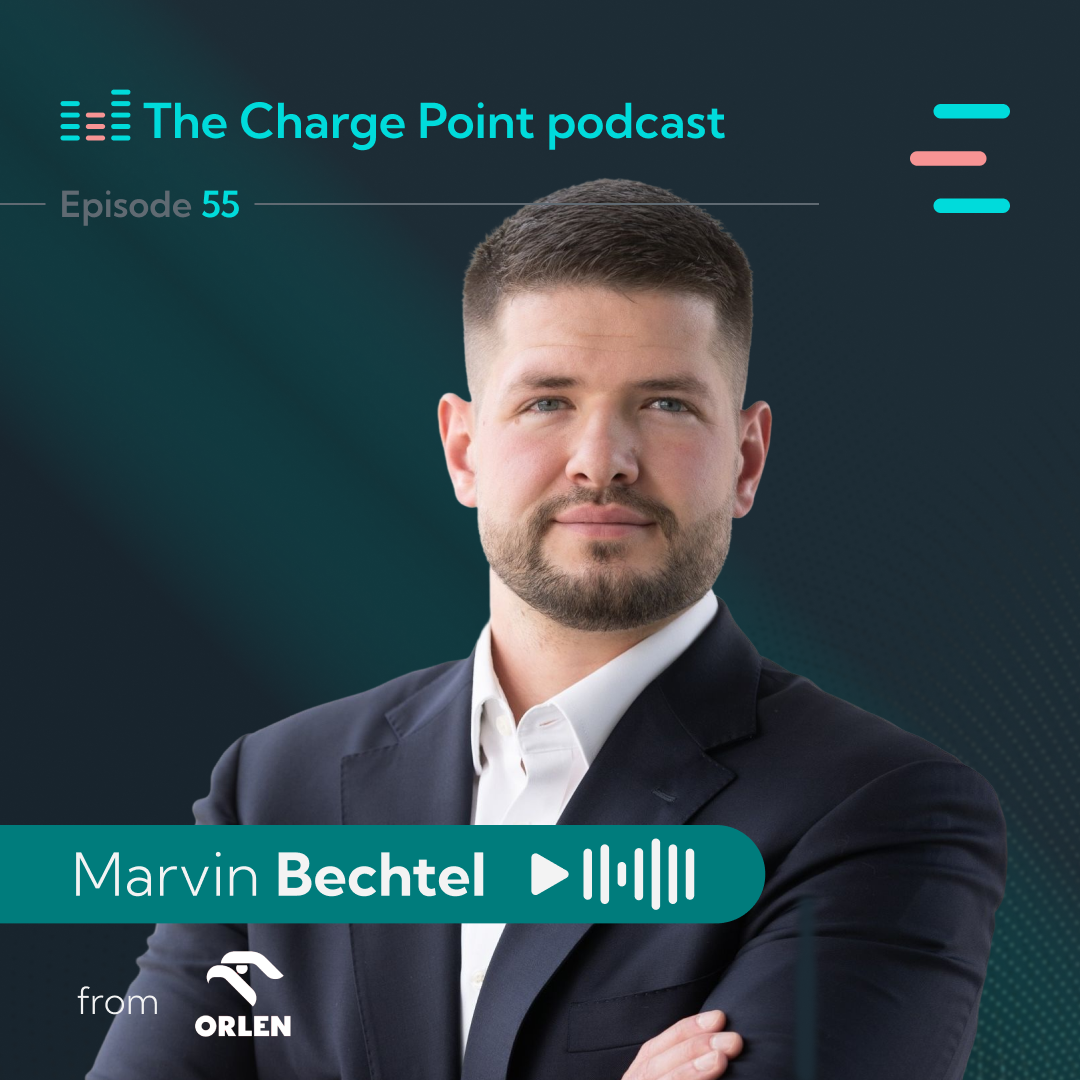
Scaling EV Charging Without Scaling Complexity: Five Lessons from ORLEN

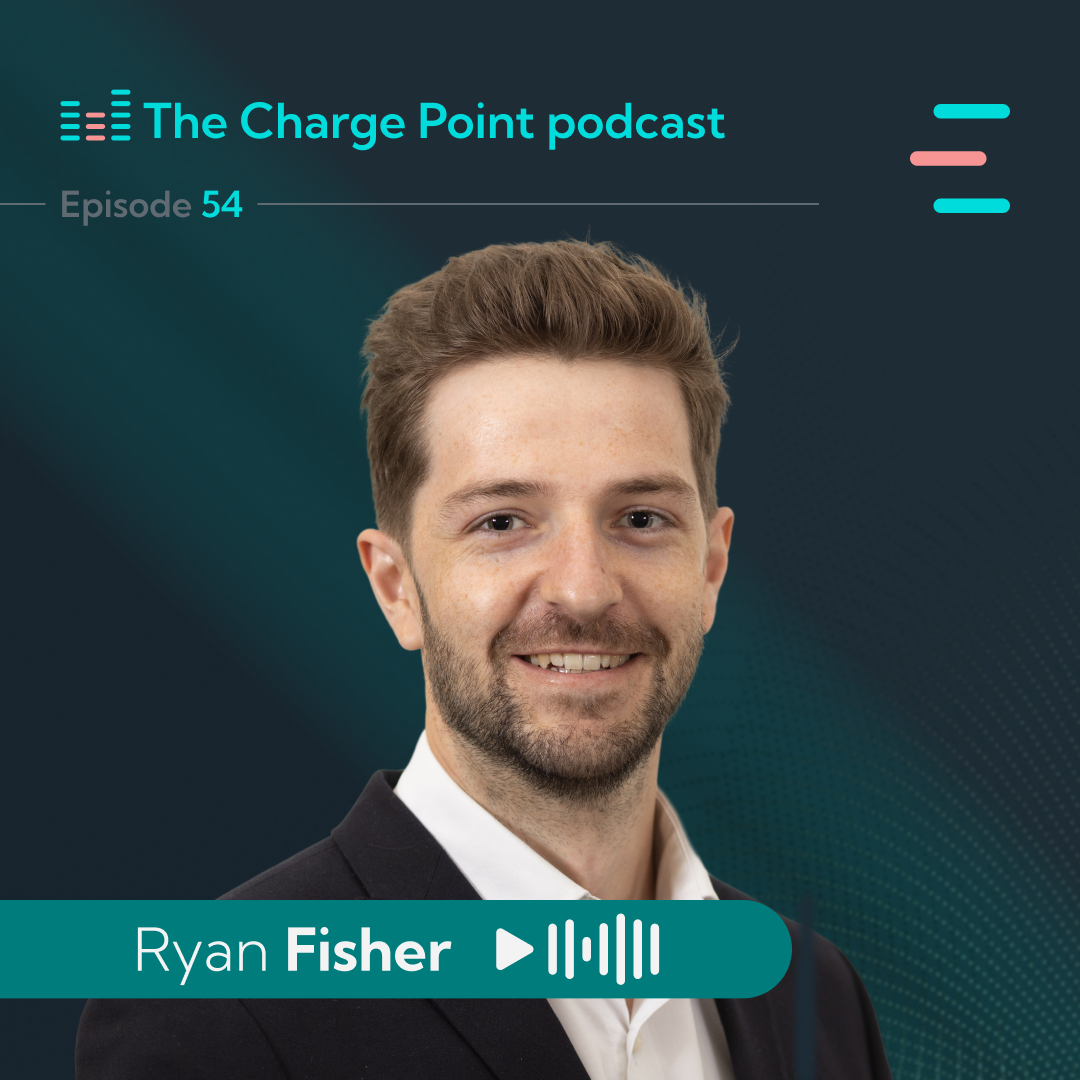
How Cheap Batteries Are Changing EV Charging Infrastructure - Interview with Ryan Fisher, BloombergNEF
.png)
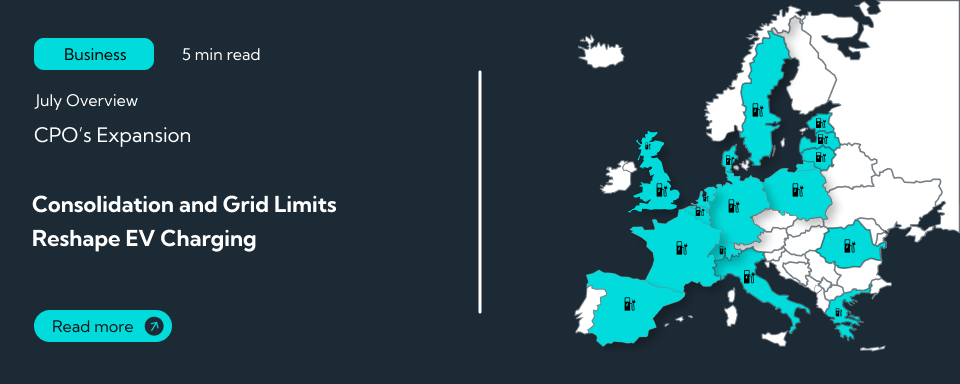
July 2026: Consolidation and Grid Limits Reshape EV Charging
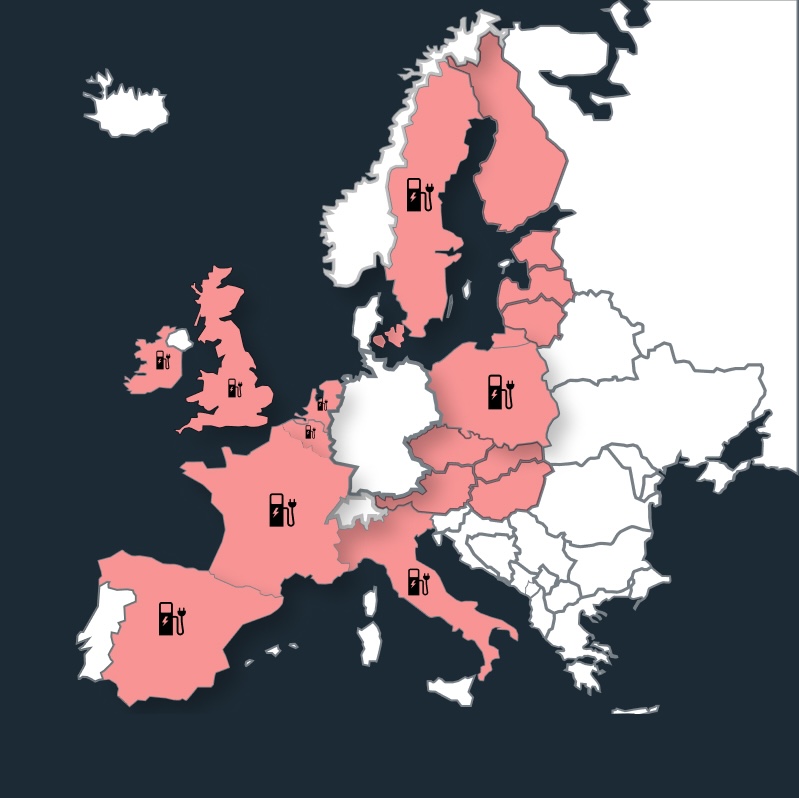
June 2026: Public Investment, Freight Charging and Smart Energy Reshape Europe's CPO Market

Get started with
FLEXECHARGE
Contact our team to learn more about what we can help you achieve with our open, vendor agnostic platform and powerful solutions.