
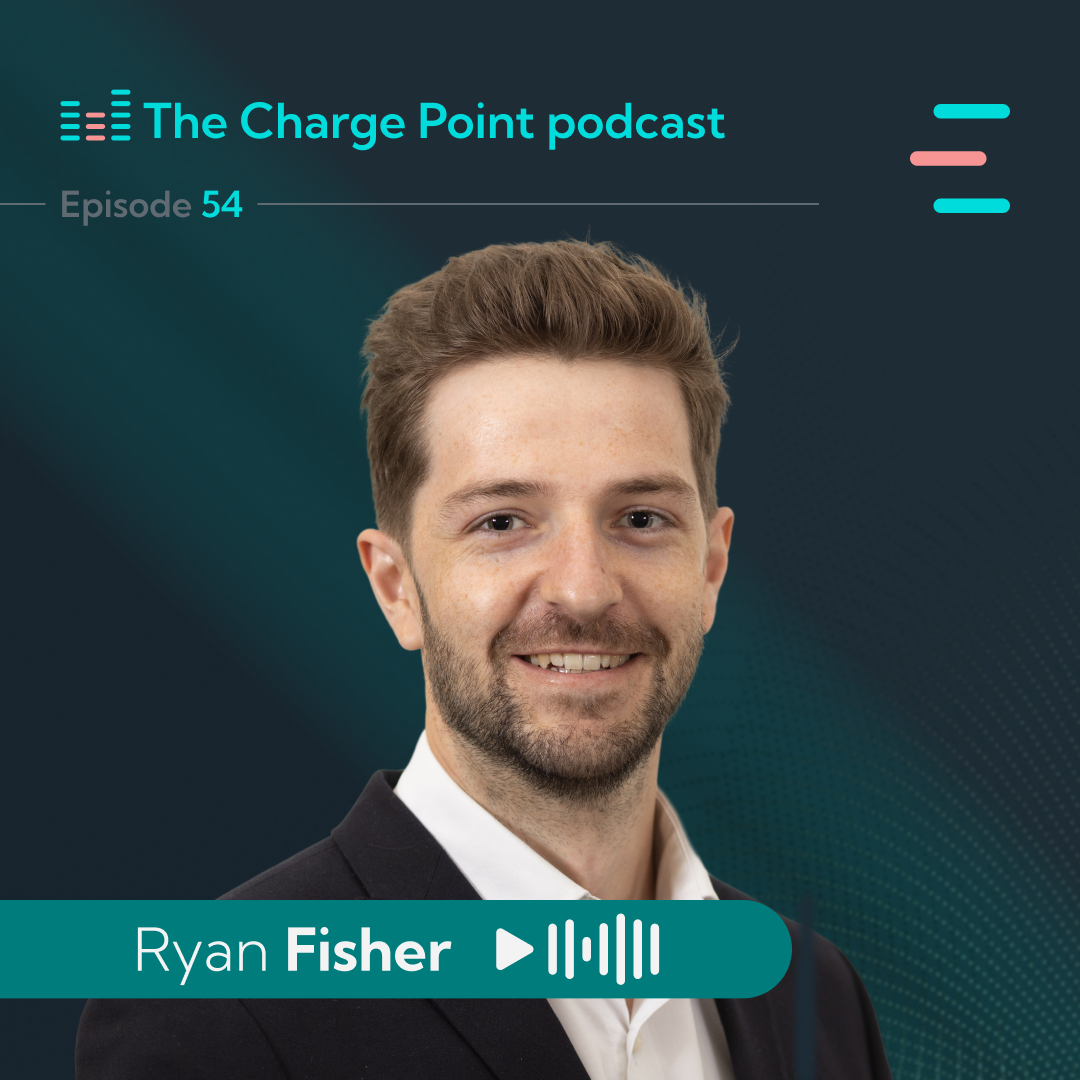
How Cheap Batteries Are Changing EV Charging Infrastructure - Interview with Ryan Fisher, BloombergNEF
Battery storage is quickly moving from a “nice-to-have” add-on to a strategic part of EV charging infrastructure.
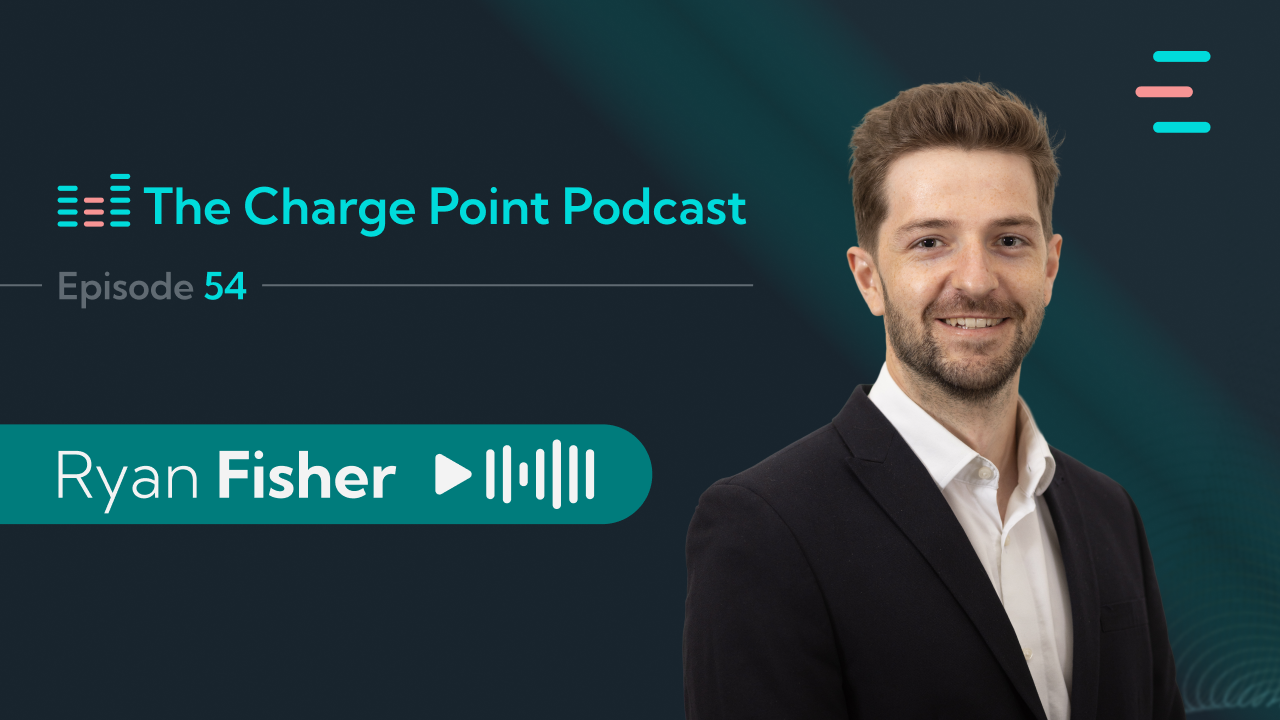
In Episode 54 of the Charge Point Podcast, Christophe Lephilibert speaks with Ryan Fisher, Head of Charging Infrastructure at BloombergNEF, about one of the hottest topics in fast charging: how cheap batteries are changing the economics of EV charging rollout.
The conversation builds on BloombergNEF’s recent report, How Cheap Batteries Are Helping EV Charging Scale, to which FLEXECHARGE contributed data. The report looks at how co-located Battery Energy Storage Systems, or BESS, can help charge point operators reduce grid costs, improve site economics and unlock charging locations that would otherwise be difficult or impossible to build.
Listen to the full episode to hear Ryan explain why batteries are moving from niche pilots to serious infrastructure tools for CPOs.
Why batteries are becoming relevant for EV charging
For years, the EV charging industry focused mainly on charger deployment, location, utilization and uptime. Those topics still matter, but the bottleneck is shifting.
As Ryan explains, the next phase of fast-charging rollout is increasingly about energy infrastructure: grid capacity, grid fees, peak-demand charges and the ability to deliver higher charging power when drivers or fleets need it.
This is especially relevant as EVs become capable of charging at higher power levels, and as truck charging introduces much larger loads. A passenger-car charging hub is already a complex energy asset. A truck charging or megawatt charging site takes that complexity to a different level.
The business case for co-located BESS
The core question for CPOs is simple: when does a battery make financial sense?
According to the BloombergNEF analysis, there is no universal answer. The business case depends heavily on the market, tariff structure, grid connection, utilization profile and type of vehicles being charged.
Several value drivers are emerging. A battery can help avoid or delay a costly grid upgrade. BESS can also reduce peak-demand charges by discharging during load peaks and keeping the site below expensive thresholds.
Storage can also support higher charging power on weak grid connections. This can make previously unattractive locations viable, including existing fuel retail sites that have strong traffic but limited electrical capacity.
Another value stream is energy arbitrage: charging the battery when electricity is cheaper and discharging when prices are higher. In some markets, this can significantly improve the charging business case.
Finally, batteries may participate in flexibility and ancillary service markets. This is still early, but it could become an important additional revenue stream as more charging sites become controllable distributed energy assets.
Want the full context behind these business models? Listen to the episode for Ryan’s view on grid fees, battery prices, subsidies and marketdifferences across Europe, China and the US.
Why truck charging could accelerate BESS adoption
One of the strongest takeaways from the episode is the link between batteries and heavy-duty charging.
Truck batteries are large, charging sessions are power-intensive, and fleet operators need predictable availability. That means depot charging, highway truck charging and megawatt charging are likely to create some of the strongest use cases for co-located BESS.
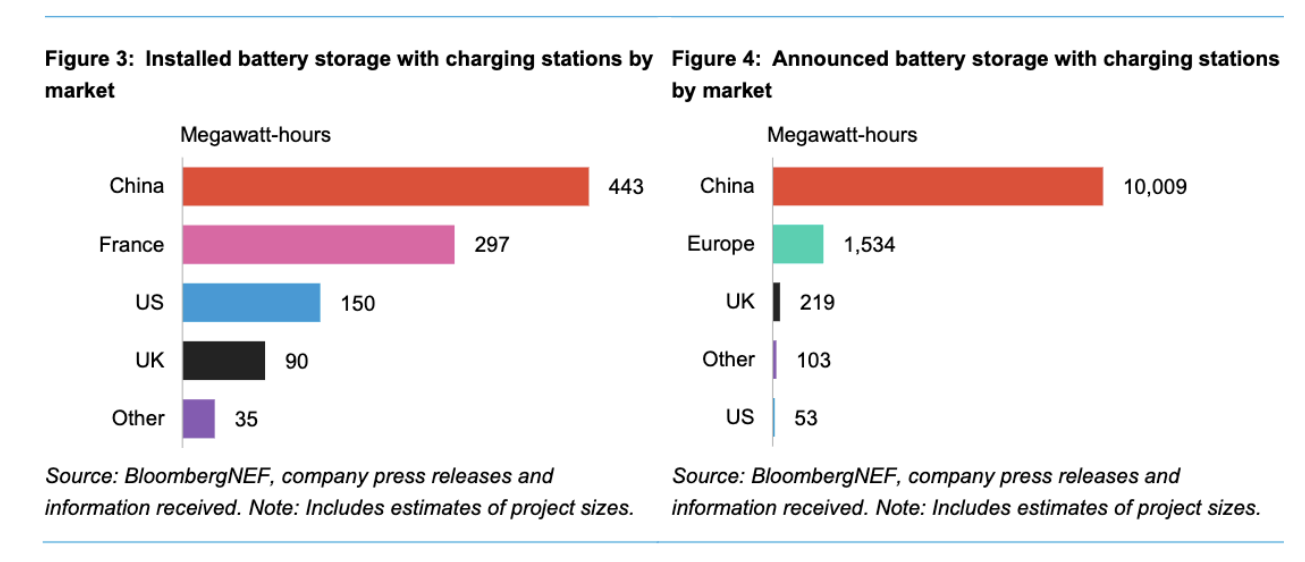
Ryan also highlights China as an important market to watch, particularly with large-scale battery-backed charging deployments. This could pull the global average toward more battery-integrated charging infrastructure over time.
From charging sites to energy assets
The conversation also connects the BESS topic with BloombergNEF’s 2026 EV Outlook.
One important insight is that EV charging will become a meaningful part of electricity demand, but it is only one of several drivers of grid investment. Aging grids, data centers, electrified heating, industrial demand and renewable integration are all putting pressure on power systems.
For CPOs, this means the competitive landscape is changing. Future charging networks will not only compete on location, charger count and uptime. They will also compete on energy strategy.
The most resilient operators will be those that can manage power intelligently, optimize the use of grid capacity, integrate batteries, respond to dynamic tariffs and potentially participate in flexibility markets.
The takeaway for charge point operators
The message from the episode is not that every fast-charging site needs a battery tomorrow. The message is that every serious CPO should now understand where BESS fits into their rollout strategy.
Cheap batteries, grid constraints, higher charging powers and growing electrification are reshaping the charging infrastructure business case. In some markets, batteries will reduce costs. In others, they will unlock new locations. And in the most advanced cases, they will turn charging sites into flexible, revenue-generating energy assets.
Co-located BESS is no longer only a pilot topic. It is becoming part of the infrastructure toolkit for scaling fast charging.

What is Load Management and why is it essential for EV Charging
Explore the essentials of advanced Load Management in this guide. Uncover the complexities of integrating EV charging systems with existing power grids, a critical challenge in energy management. Discover how solid Load & energy management solutions ensure an efficient, secure, and scalable charging infrastructure.

Listen to the full Charge Point Podcast episode with Ryan Fisher from BloombergNEF to understand how cheap batteries could reshape the next wave of EV charging infrastructure.
Listen to the full episode to hear Ryan explain why batteries are moving from niche pilots to serious infrastructure tools for CPOs.
Lectures intéressantes
Scaling EV Charging Without Scaling Complexity: Five Lessons from ORLEN
How Cheap Batteries Are Changing EV Charging Infrastructure - Interview with Ryan Fisher, BloombergNEF
.png)
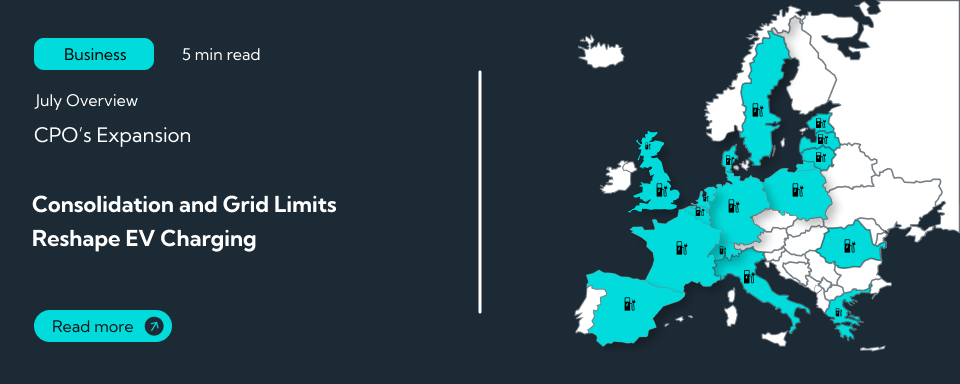
July 2026: Consolidation and Grid Limits Reshape EV Charging
.png)
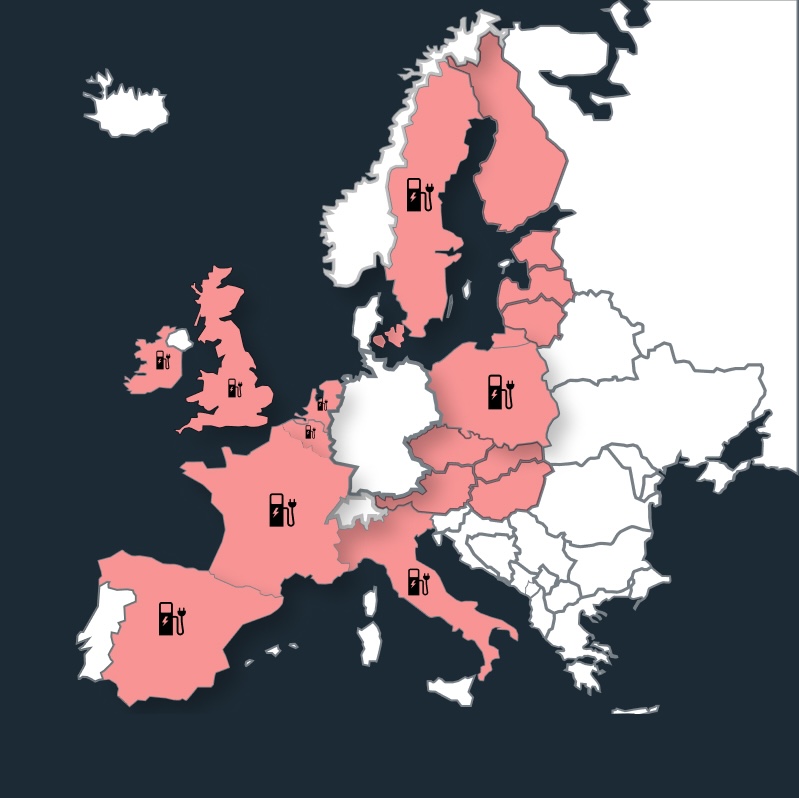
June 2026: Public Investment, Freight Charging and Smart Energy Reshape Europe's CPO Market

Get started with
FLEXECHARGE
Contact our team to learn more about what we can help you achieve with our open, vendor agnostic platform and powerful solutions.