Peak power surcharges
Bring peak demand costs down, matched to your tariff’s billing interval.
The problem
One peak can set the whole bill
In many European tariffs you pay for your highest demand, measured over a short interval and billed for the month or longer. A few minutes of simultaneous fast charging can set that number.

Margins under pressure
Every new peak raises the demand charge, while the energy you sell stays the same.

Hard caps hurt the session
A fixed cap cuts charging the moment demand rises, even when a short peak would have been fine within the interval.

Different rules in every market
Interval length, how peaks are measured and how they're priced vary between countries and grid operators.
How we solve it
Manage the average, not the moment
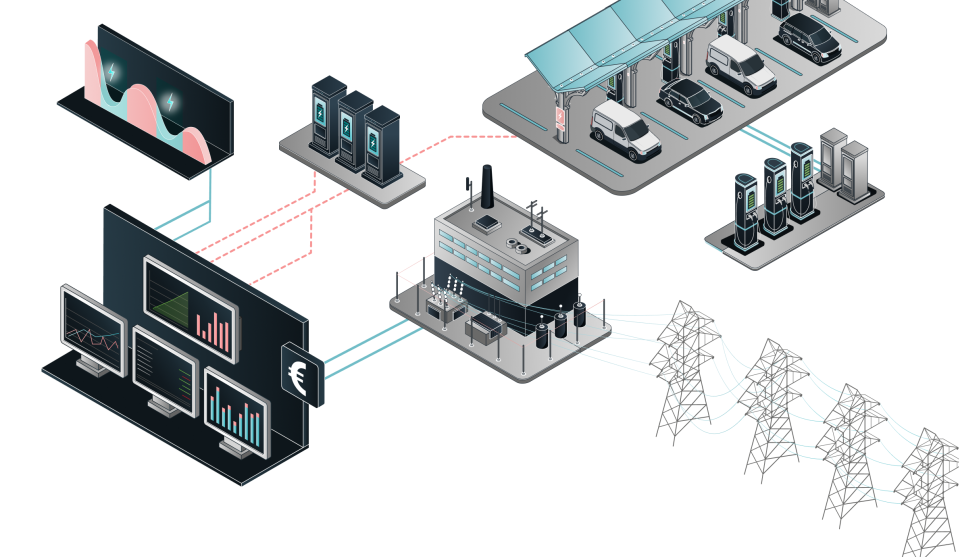
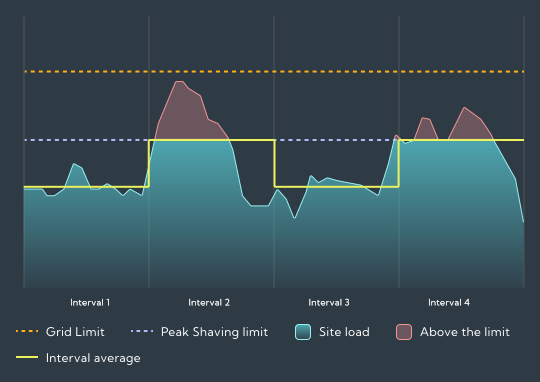
Your DSO bills the average over each interval, not the moment. HARMON-E controls the same average: short peaks pass while there’s headroom, and the limit only tightens when the average is at risk.
01.
Follow the billing interval
HARMON-E tracks site demand in real time against the peak target you set, over the interval your tariff uses (typically 15 or 60 minutes). A short peak is fine if the interval average stays on target.
02.
Adjust charging power
When the interval average heads over target, charging power comes down across the site and recovers as soon as there's room again. No battery needed; some sessions charge more slowly during those moments.
03.
Let a battery take the peak
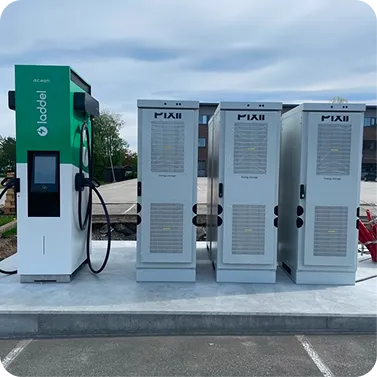
With a battery on site, it supplies the demand above the target, so chargers need to slow down less. Both approaches can run together.
Peak Capping (static limit)
Ensures that instantaneous demand never exceeds certain limit, although the billing window would allow it
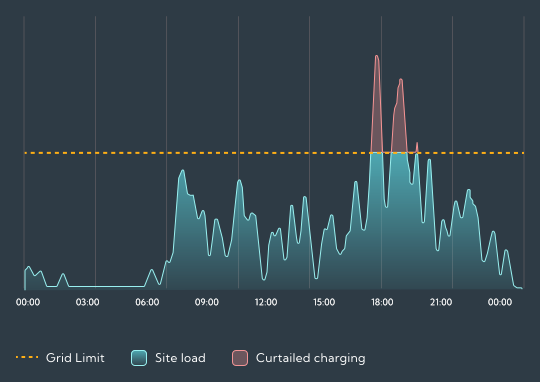
Peak Shaving (sophisticated algorithm)
Limits the average over a billing window under a certain limit. Instantaneous Load may exceed the Peak Shaving limit.
VS
Results
Same peak, more energy sold
Simulated: one year of a busy high-power charging site, run twice at the same limit, with a static limit and with FLEXECHARGE Peak Shaving. A site analysis on your own load data replaces these figures.
−61 %
+9,200 kWh
≈50 kW
Capabilities
What makes it work

Charger-based Peak Shaving
Reduce exposure to peak-related costs by managing charging power against configured site thresholds.

BESS-based Peak Shaving
The battery covers demand above the target so chargers throttle less.

Peak Capping
The physical connection limit underneath, held at every moment.

Tariff integration
Peak targets set per site and tariff interval.
More features behind the solution

Prioritisation
Decide which chargers keep full power during a peak.

Static Scheduler
Lower limits for known peak-tariff hours, higher limits at night.

Local control
Peak logic runs on site, so it keeps working during internet outages.
Where it makes the difference
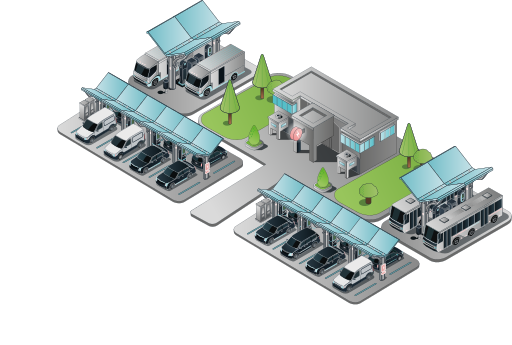
A high-power hub on a monthly peak tariff
Keep the interval average on target while drivers keep charging.
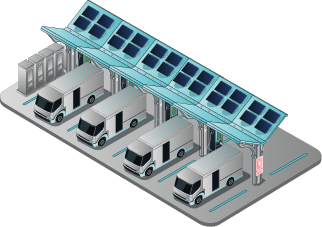
A site that already has a battery
Use it to take the peaks, so chargers rarely need to slow down.
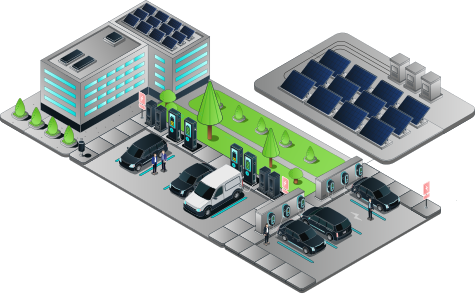
Chargers next to a shop or building
Building load keeps priority, and charging fills the room left under the target.
Proof
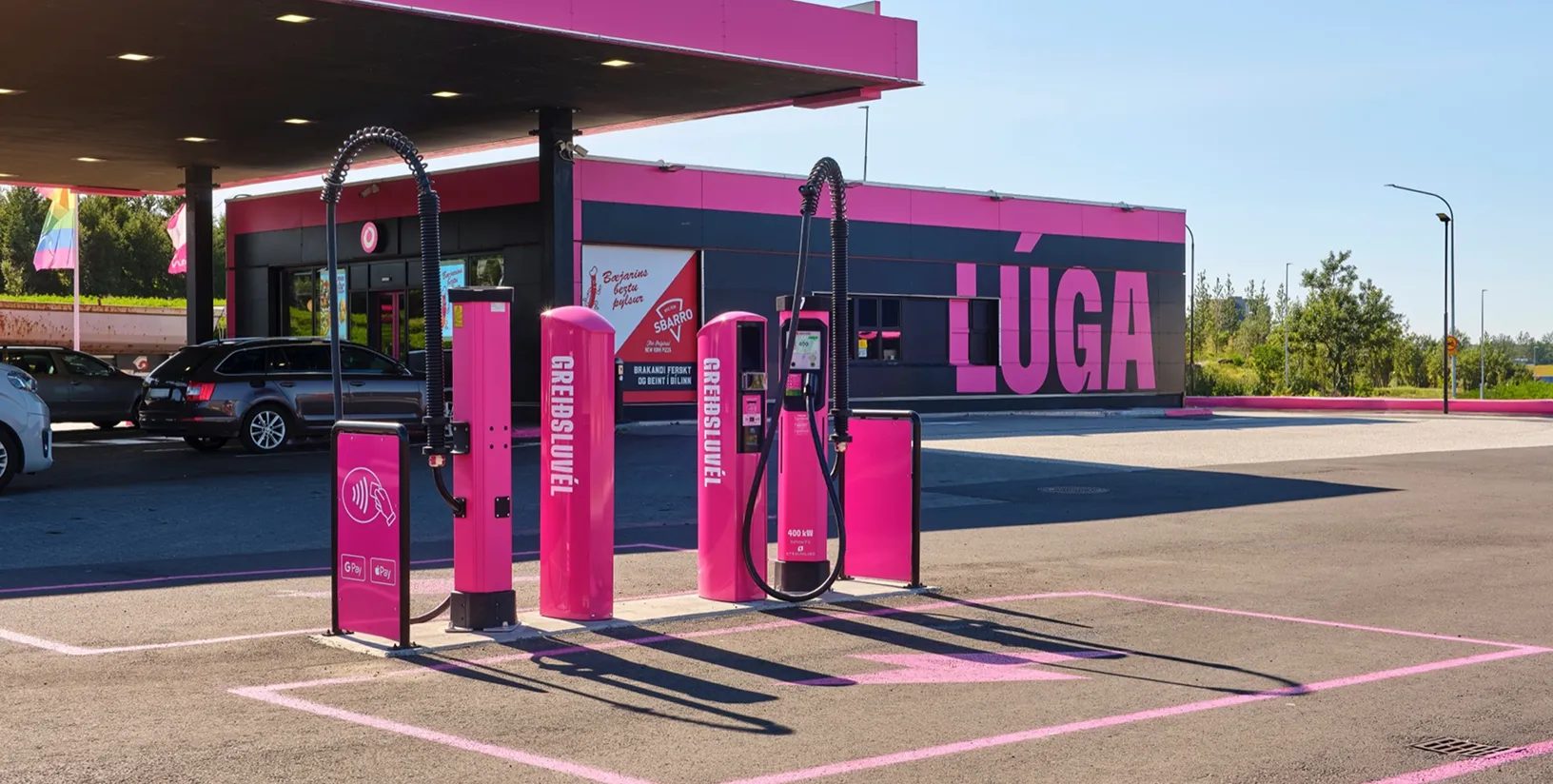
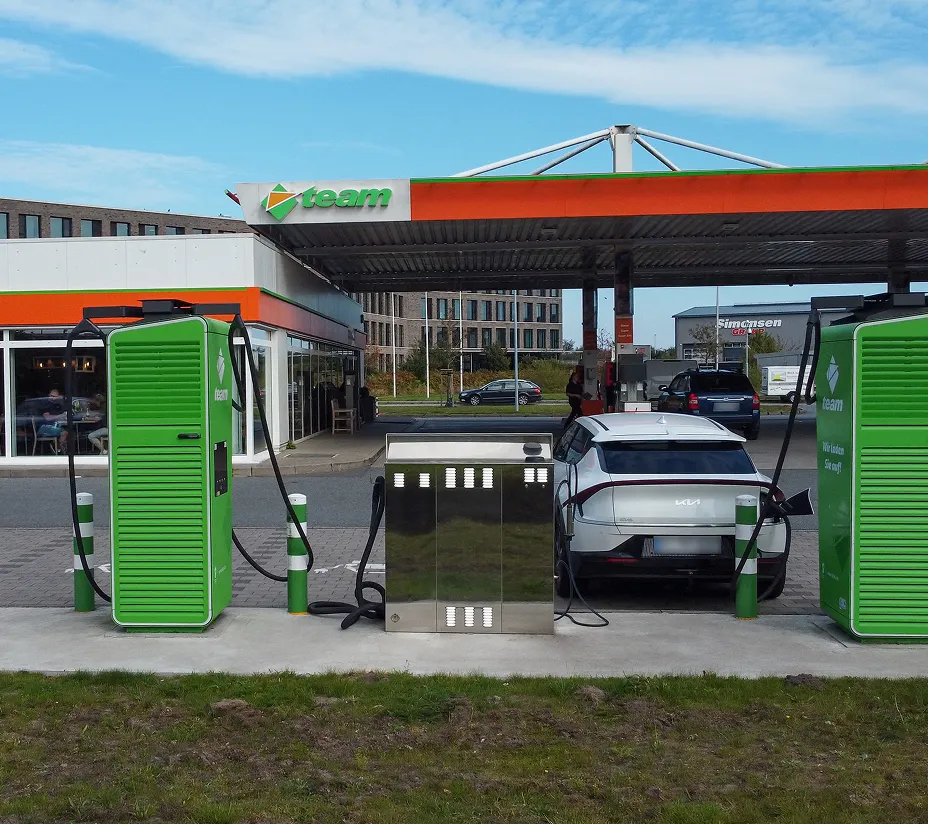
Operators running it today


Go deeper
Learn more about load management

Lower peaks,
higher margins
Webinar
Product-led
Peak shaving mastery: from cost control to competitive advantage

Blog
Peak Shaving in EV Charging: What It Is and Why It Matters for CPOs in Europe
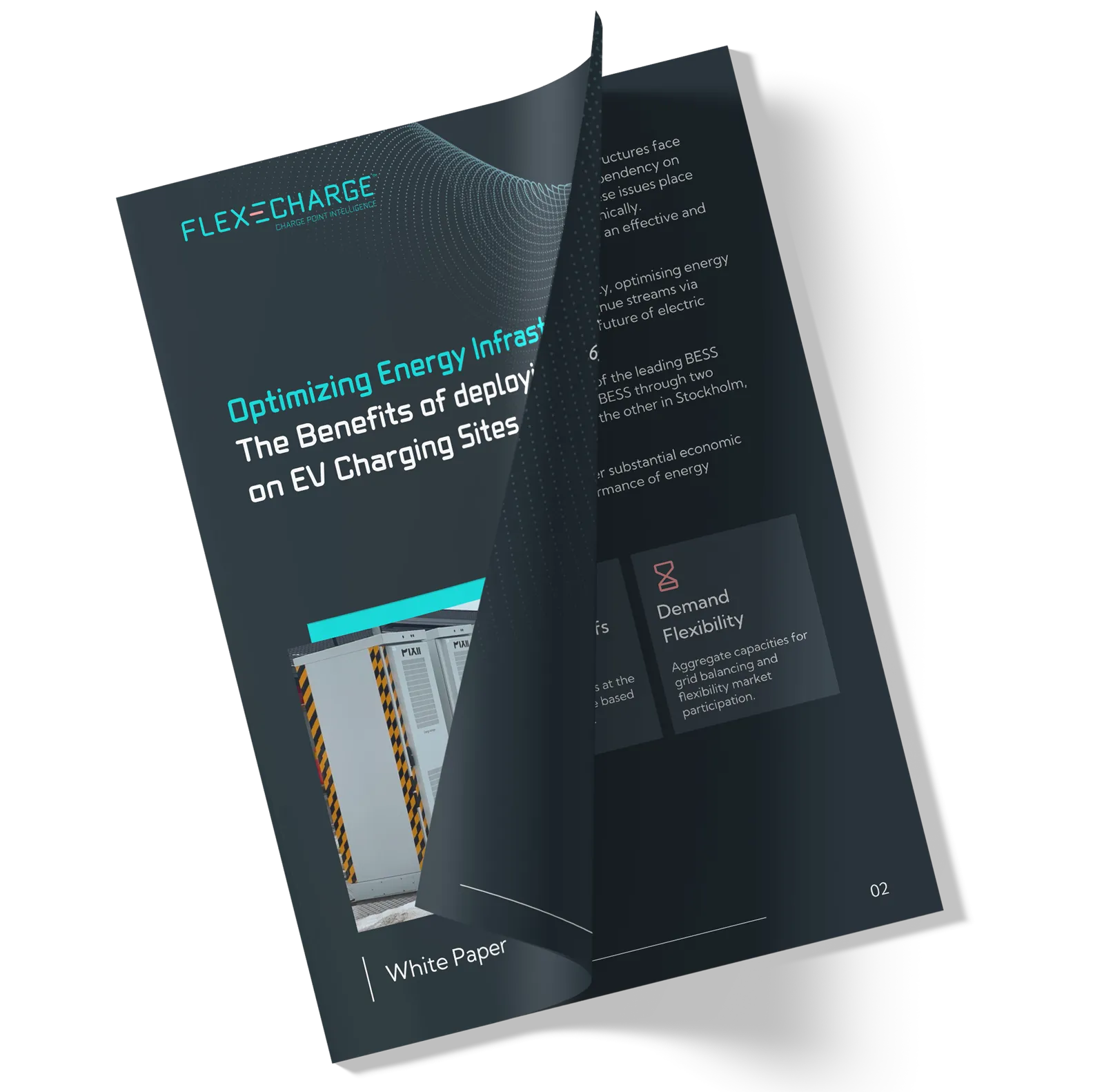
Exploring the benefits of co-located batteries
Questions operators ask
What’s the difference between peak capping and peak shaving?

Often yes, up to a point. Dynamic load management shares the existing capacity across more chargers, and a battery can cover the busiest periods. Whether it’s enough depends on your demand profile and how much slower charging you accept at peak times.
Do I need a battery?

No. Charger-based peak shaving works on its own. A battery reduces how often chargers have to slow down.