
Peak Shaving in EV Charging: What It Is and Why It Matters for CPOs in Europe
.jpeg)
What is peak shaving for EV charging operators?
Peak shaving is a load management technique that temporarily reduces or delays power consumption during peak demand periods to avoid exceeding contractual or set site limits and reduces demand charges.
How demand charges shape EV charging costs across Europe?
These peaks often go unnoticed but still set the monthly bill for Charge Point Operators (CPOs). Across Europe, most non-household electricity tariffs include a demand charge , meaning EV charging operators are billed not only for total energy consumed (kWh), but also for the highest level of power drawn (kW) during a defined time window.
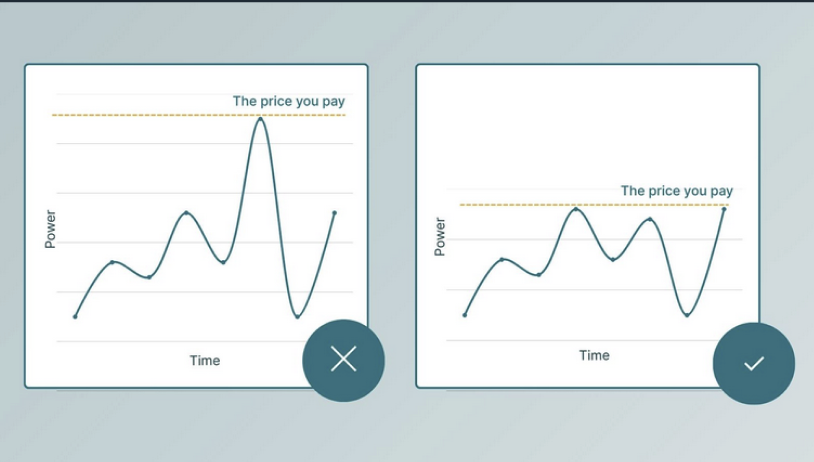
For Charge Point Operators, this is critical: even short demand spikes, sometimes lasting only 15 minutes, can determine a significant share of monthly grid costs. While the exact rules vary by country, voltage level, and Distribution System Operator (DSO), the underlying principle is consistent across most European markets.
Belgium
In Belgium (Flanders), businesses have paid a capacity tariff since January 2023 based on the monthly 15-minute peak demand.
Germany
In Germany, network charges combine an energy price with a capacity price (Leistungspreis) calculated from the maximum power used.
France
France’s TURPE tariffs bill sites based on “puissance souscrite” (contracted power) and apply penalties when measured demand exceeds the agreed limit, with TURPE-7 coming into force from August 2025.
The Netherlands and Austria
The Netherlands and Austria apply largely capacity-based system-use charges for industrial and large commercial consumers, directly exposing flexible loads such as EV charging to peak-related costs.
Nordic and Southern European markets follow the same direction.
Sweden and Norway
Sweden requires all DSOs to include a power-based fee by January 2027, with several already applying it. Norway has introduced effect (demand) tariffs explicitly designed to curb peaks, under regulatory oversight.
Spain and Italy
In Spain and Italy, access tariffs include contracted power terms alongside energy charges, with rules for exceedances depending on metering class and connection type.
United Kingdom
In the United Kingdom, larger and half-hourly settled users face capacity-related elements through DUoS and TNUoS charges, with updated methodologies taking effect from 2025.
While implementation details differ, the consequence for EV charging sites is the same across Europe: unmanaged simultaneous charging directly translates into higher grid fees. This is why peak shaving and intelligent load management are becoming essential tools for CPOs operating under capacity-based network tariffs.
How peak shaving works?
With FLEXECHARGE, you can actively control and reduce these peaks. Using our HARMON-E platform, peak shaving can be fully managed through the cloud, through the FLEXBOX or through the local GATEWAY Connect. It’s available for both: chargers-only installations or setups with a Battery Energy Storage System (BESS) to ensure the best performance and user experience possible.
There are two main ways to achieve peak shaving:
- Demand-side management: By intelligently controlling the power delivered to chargers when demand spikes, our system ensures that the average power over the DSO billing window remains within the contracted grid limit. For example, a site with a contracted grid limit of 1 MW but a physical grid limit of 1.4 MW can temporarily demand up to 1.4 MW. As long as the average power over the billing interval remains at or below 1 MW, the contracted limit is respected -enabling higher short-term charging power without triggering higher capacity charges.
- Supply-side management: With a local energy source like a BESS or solar panels, short-term peaks can be covered without drawing additional power from the grid. This allows the charging site to exceed the physical grid limit on a momentary basis while keeping the grid demand average within the contracted limit. While FLEXECHARGE does not directly control the battery or solar inverter, it integrates with external energy sources via Gateway or FLEXBOX. This enables a coordinated setup in which locally stored or generated energy supports charging during high-demand intervals maintaining high charging power with minimal impact on user experience and full compliance with grid limits.
Real-world example: peak shaving for a large Swedish EV charging operator
To illustrate the impact of peak shaving in practice, consider a large Swedish EV charging operator operating multiple high-power charging sites under a demand-based grid tariff.
In Sweden, electricity grid fees increasingly depend on power demand (kW) rather than just energy consumption (kWh). Under one common tariff structure, the monthly power charge is calculated as the average of the three highest hourly power peaks, each occurring on a different day within the month. This means that just a few short peak events can define a significant portion of the total grid cost.
An analysis of hourly consumption data from one Swedish charging site showed a clear pattern:
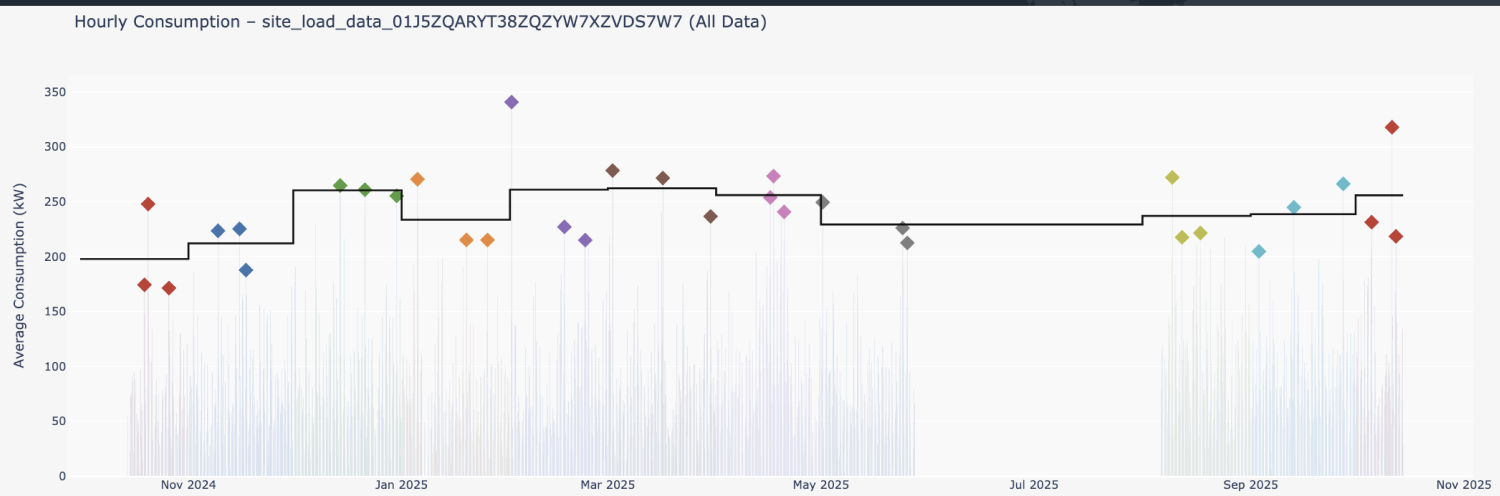
Most of the time, the site operated at a stable load, but a small number of hours featured sharp spikes caused by multiple chargers operating simultaneously. These peak hours, rather than average usage, were driving the site’s demand charges.
By applying dynamic peak shaving, the operator introduced a controlled cap on the site’s maximum power draw. In a simulated scenario where the highest peaks were reduced by 20%, only the most extreme spikes were affected, while normal charging activity remained largely unchanged.
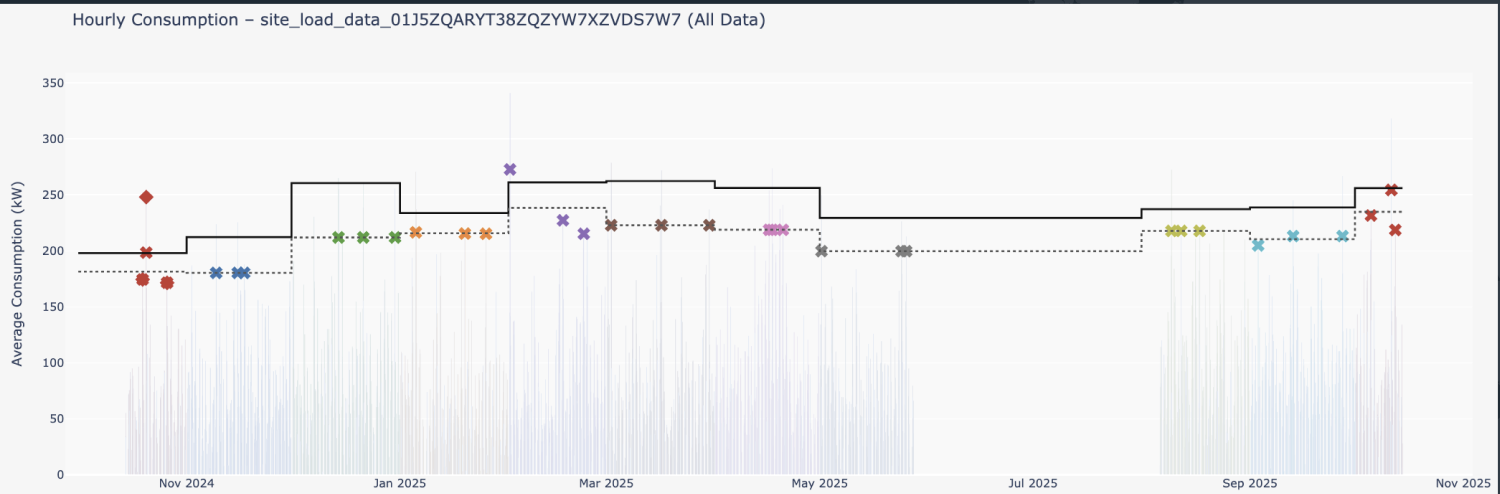
The result was a substantial reduction in the billed demand level. For a single site, this translated into annual savings of approximately 25,000 SEK (around €2,300) in grid fees, achieved purely through smarter load control rather than infrastructure changes.
When scaling the same approach across a portfolio of 50 Swedish charging sites, the effect became even more significant. Depending on the chosen level of peak reduction, total annual savings ranged from tens of thousands to well over €100,000 per year, demonstrating how peak shaving scales linearly across multi-site operations.
What’s coming in 2026: AI-based dynamic peak thresholds
Our upcoming AI-based optimizer determines an economically optimal target peak for each site based on historical charging behavior, tariff structures, and observed utilization patterns. Instead of relying on static, manually defined limits, the system analyzes year-over-year data and recent monthly load profiles to identify the peak level that minimizes total cost.
The optimization balances demand charges, charging revenue, and user experience. Reduced peak limits can lower grid fees but may also lead to lower charging power, longer sessions, and reduced customer satisfaction. These effects are explicitly modeled, ensuring that peak optimization does not come at the expense of unacceptable charging performance.
Once the optimal target peak is defined, peak shaving mechanisms manage site power dynamically within the DSO billing intervals. This allows short-term flexibility in charging power while keeping the site within its economic and contractual limits — preserving both profitability and user experience.
The result? Maximum cost savings without compromising charging performance.
Why peak shaving matters for EV charging operators
Peak shaving offers several benefits to EV charging operators, particularly as charging demand increases and grid capacity constraints become more common across European markets:
- Financial savings: We give recommendations and you choose how much to cut your peaks. Savings scale with the reduction you set. With FLEXECHARGE, you can tune the limit per site to find your perfect balance between cost and performance.
- Grid stability: By actively managing load peaks, we help prevent grid overloads and ensure smooth charging experiences.
- Sustainability: When integrated with renewable energy and BESS, peak shaving supports the efficient use of green energy.
Intelligent peak shaving: controlling peaks without limiting operations
As capacity-based tariffs become standard across Europe, peak shaving must work in real time and adapt to site conditions. Static limits are no longer sufficient when charging demand fluctuates throughout the day.
With the HARMON-E platform, FLEXECHARGE enables EV charging operators to control peak demand dynamically across chargers and, where available, coordinate with battery storage or on-site generation. The vendor-agnostic architecture adapts to each site’s grid constraints and tariff structure, delivering effective peak control without unnecessary impact on charging availability.
👉 Explore how peak shaving with co-located BESS unlocks smarter EV charging in our white paper. Exploring the benefits of co-located batteries
What is Load Management and why is it essential for EV Charging
Explore the essentials of advanced Load Management in this guide. Uncover the complexities of integrating EV charging systems with existing power grids, a critical challenge in energy management. Discover how solid Load & energy management solutions ensure an efficient, secure, and scalable charging infrastructure.
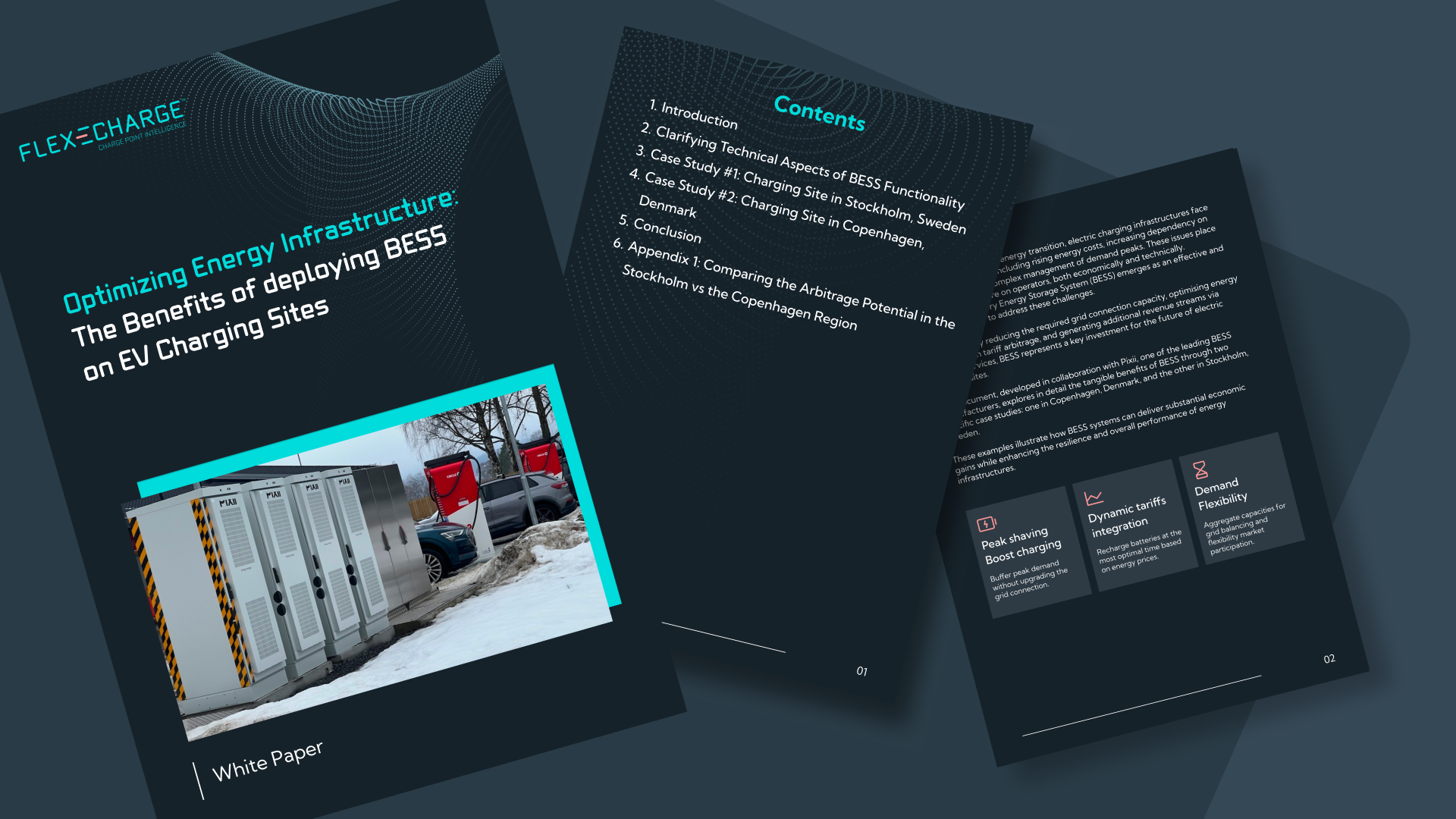
The power of co-located batteries: unlocking the full revenue potential
Discover how co-located BESS can transform EV charging sites into resilient, cost-efficient, and revenue-generating energy hubs. In this white paper, we explore real-world case studies from Stockholm and Copenhagen.
Lectures intéressantes
Scaling EV Charging Without Scaling Complexity: Five Lessons from ORLEN
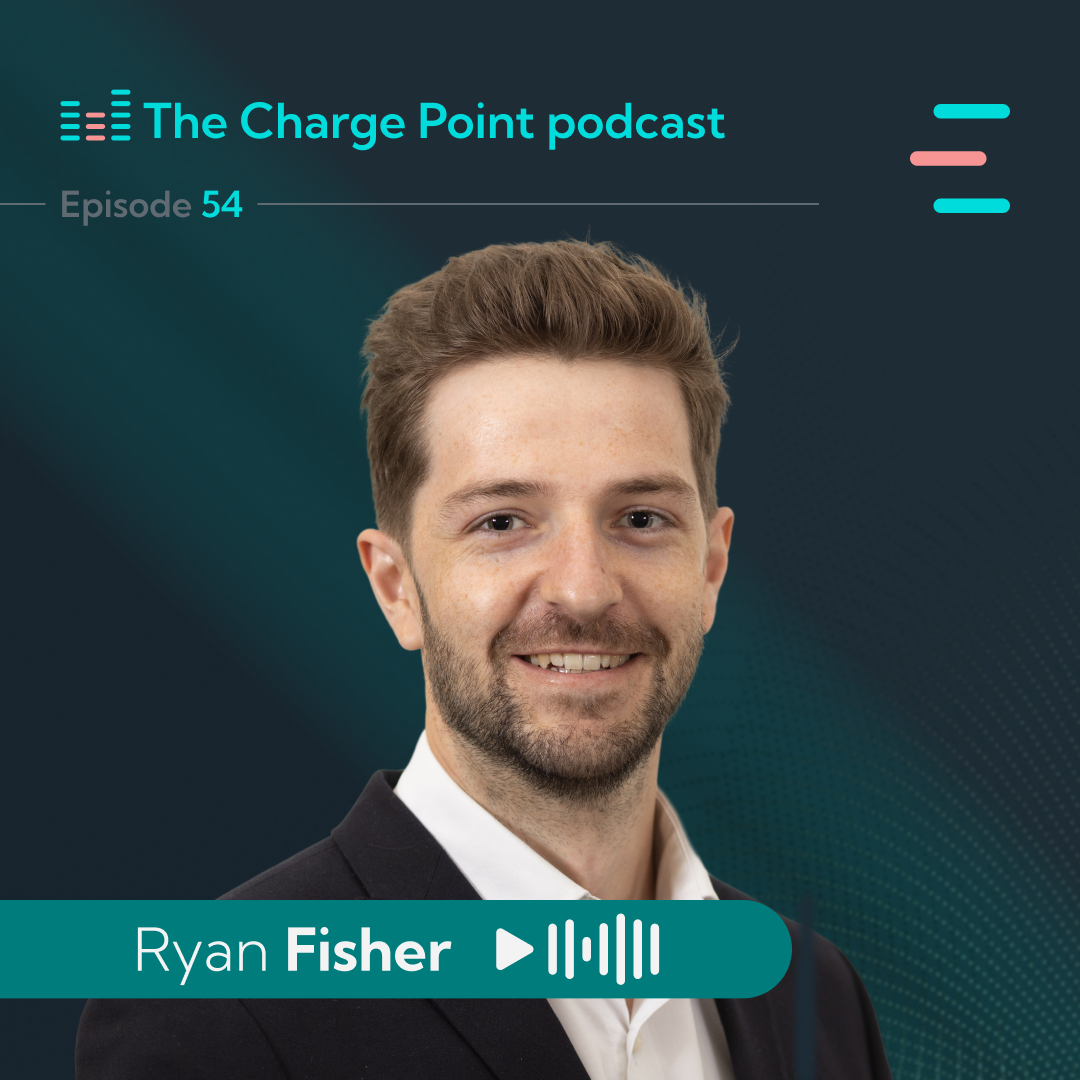
How Cheap Batteries Are Changing EV Charging Infrastructure - Interview with Ryan Fisher, BloombergNEF
.png)
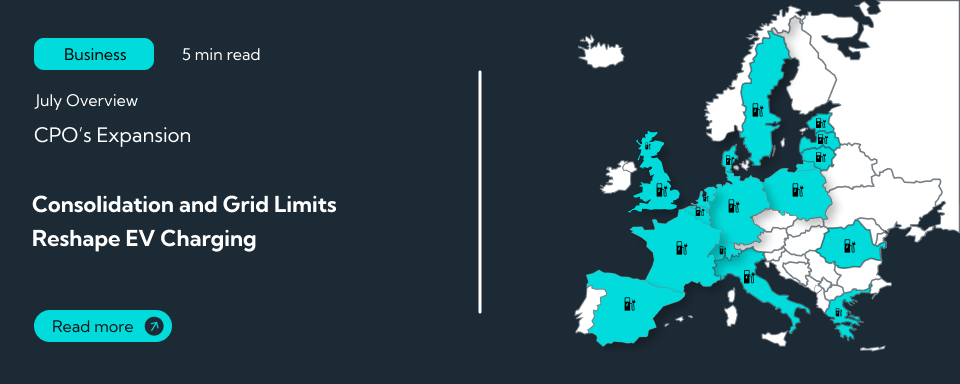
July 2026: Consolidation and Grid Limits Reshape EV Charging
.png)
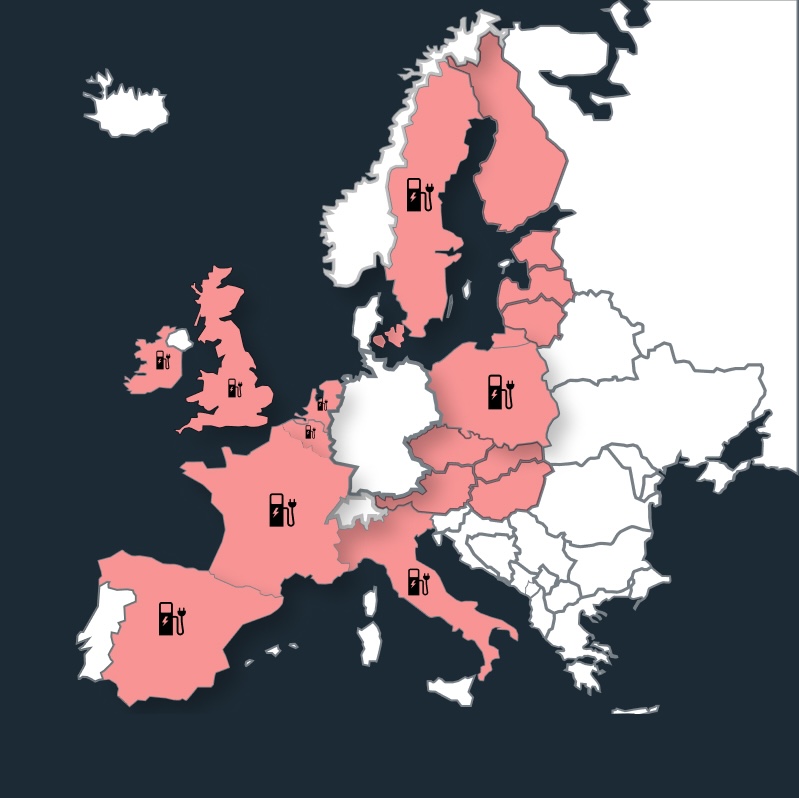
June 2026: Public Investment, Freight Charging and Smart Energy Reshape Europe's CPO Market

Get started with
FLEXECHARGE
Contact our team to learn more about what we can help you achieve with our open, vendor agnostic platform and powerful solutions.