Episode 34
Episode 34 - The Grid Bottleneck: Why EV Charging Needs a Policy Reboot
When EV Charging Meets Grid Reality
Europe’s electrification ambitions are accelerating, but the pace of EV adoption is increasingly colliding with a fundamental challenge: grid capacity. For Charge Point Operators (CPOs), fleet operators, and depot owners, the biggest barrier to scaling EV charging infrastructure is often no longer demand—it is access to the grid.
Long connection queues, limited available capacity, and outdated pricing structures are creating friction between electrification goals and real-world deployment. As electric trucks, charging hubs, and depot charging projects scale across Europe, grid integration is becoming a strategic issue rather than a technical afterthought.
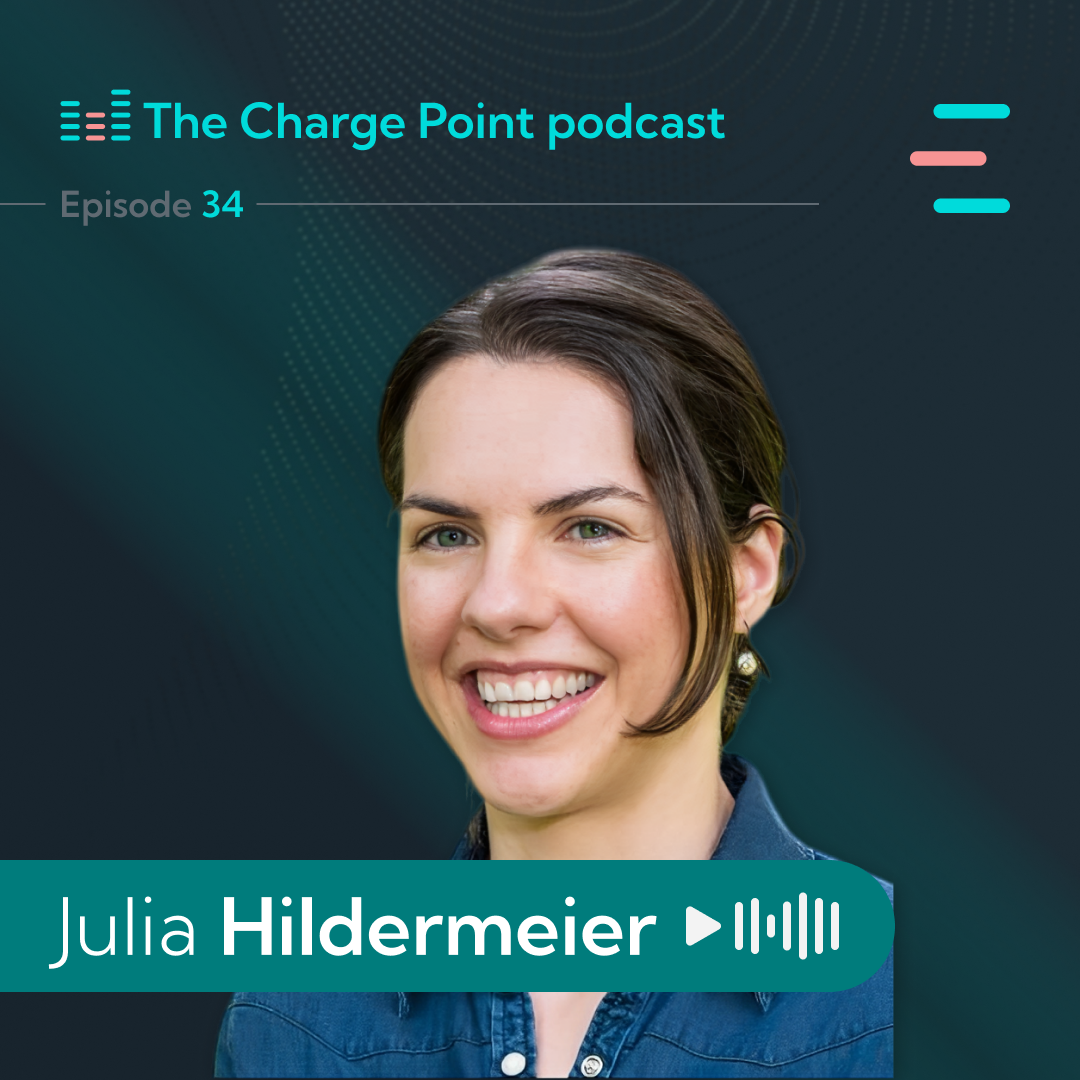
In this episode of the FLEXECHARGE podcast, Christophe speaks with Julia Hildermeier, Lead on Transport Electrification at the Regulatory Assistance Project (RAP). Together, they explore why grid infrastructure has become a bottleneck for transport electrification, how smart charging can unlock existing capacity, and what policymakers, DSOs, and CPOs can do to accelerate deployment.
What You Will Learn in This Episode
This episode is packed with practical insights for CPOs, fleet operators, policymakers, and energy professionals.
Key learnings include:
- Why grid congestion and long connection queues are slowing EV charging infrastructure deployment across Europe
- How EV smart charging can reduce energy costs while improving grid utilization
- Why load management and grid flexibility are becoming essential tools for electrification
- How outdated network pricing models can undermine the business case for EV charging infrastructure
- Why transparency around grid capacity is critical for charging infrastructure planning
- How policy reforms and DSO collaboration can accelerate EV charging rollout while reducing infrastructure costs
Expert Insight
“Today, for transport electrification in most countries, grid integration is really becoming the largest bottleneck.”
— Julia Hildermeier, Regulatory Assistance Project (RAP)
Listen for free wherever you get your podcasts