DSO constraints
Meet every grid operator’s requirements with
one standard setup, wherever you deploy in Europe.
The problem
How your DSO connects
Requirements differ by country, by region and often by grid operator: which signals the site has to receive, which interface carries them, Through the cloud, or on site with GATEWAY and FLEXBOX: pick the setup your grid operator asks for.how fast it must respond, and what happens if communication fails. Until a site can prove it follows them, it waits.

Deployment delays
Approval waits until the site can receive and follow the DSO’s signals.

Grid and DSO compliance pressure
CPOs increasingly need to respect grid limits, DSO requirements and site-level power constraints.

Capacity you can’t use
Some schemes offer more capacity if the site accepts agreed restrictions. Without the right interface and control, the offer stays on paper.
Coverage across Europe
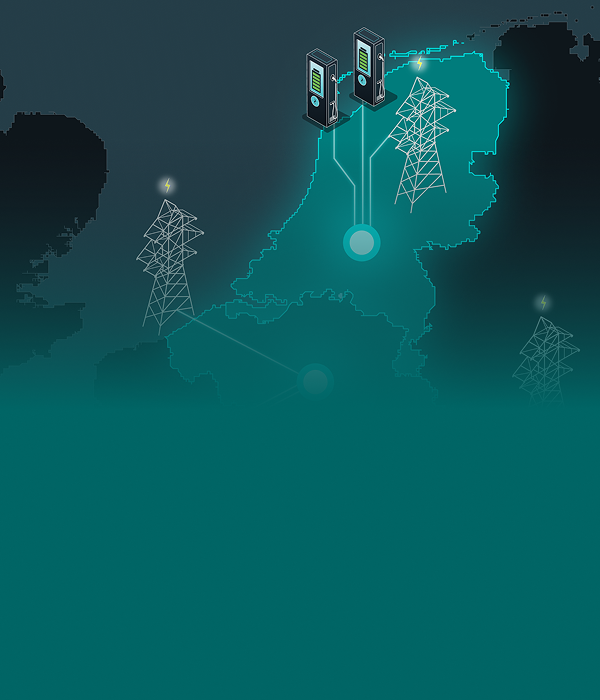
One partner for DSO requirements across Europe
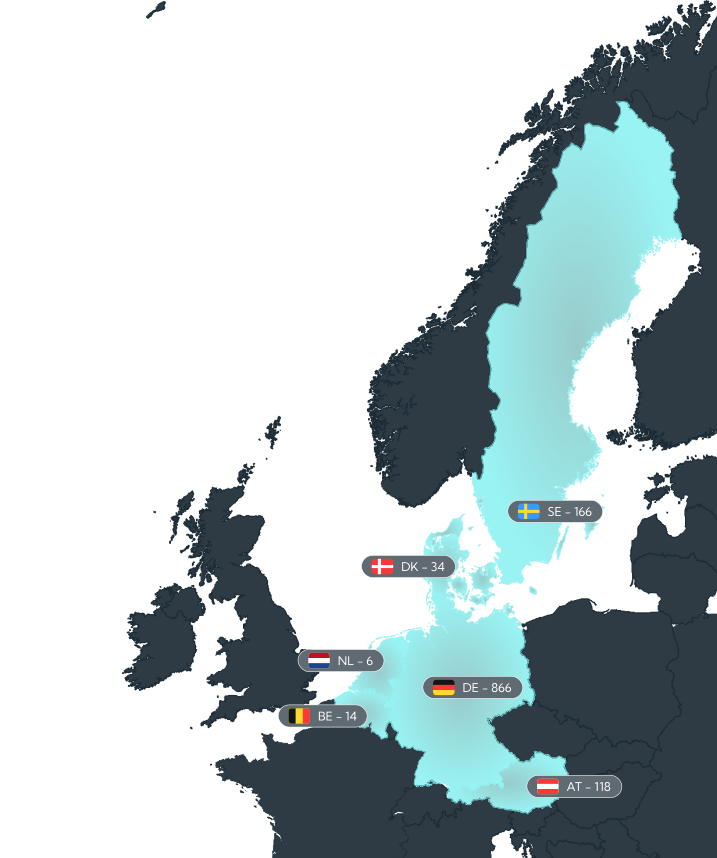
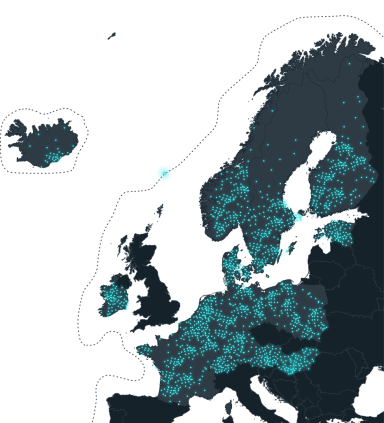
Sites in six European markets meet their grid operator’s rules with the same building blocks: HARMON-E, GATEWAY and FLEXBOX.


Germany


Austria

Denmark

Netherlands

Sweden

Belgium
1,204
Grid operators across six markets, one standard setup.
How your DSO connects
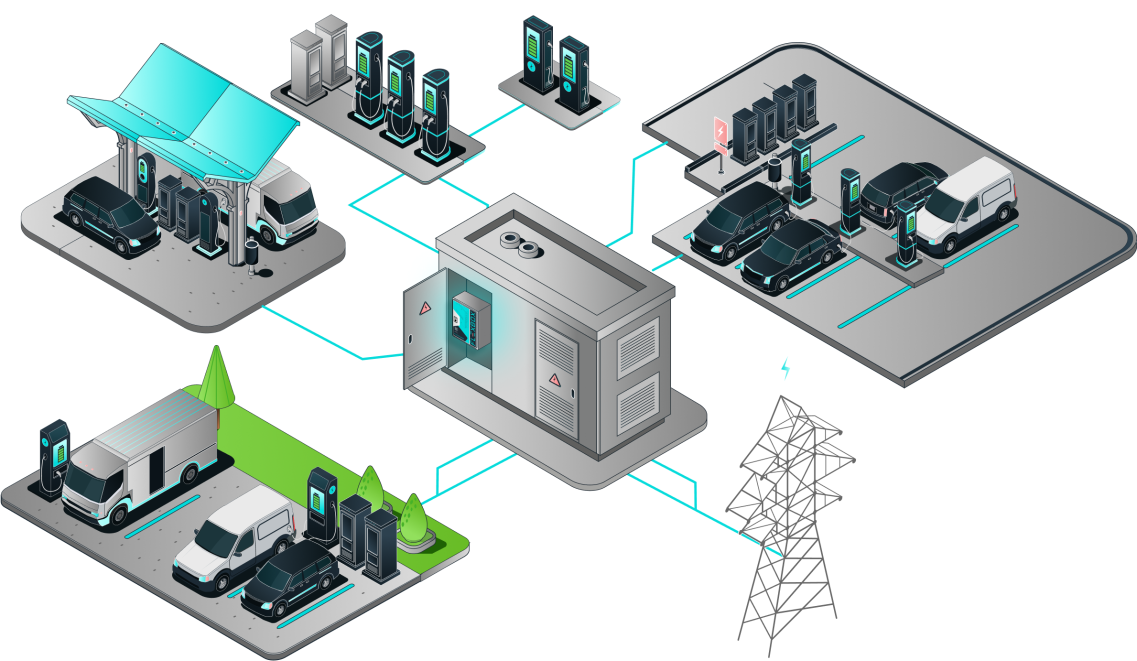
Through the cloud, or on site with GATEWAY and FLEXBOX: pick the setup your grid operator asks for.
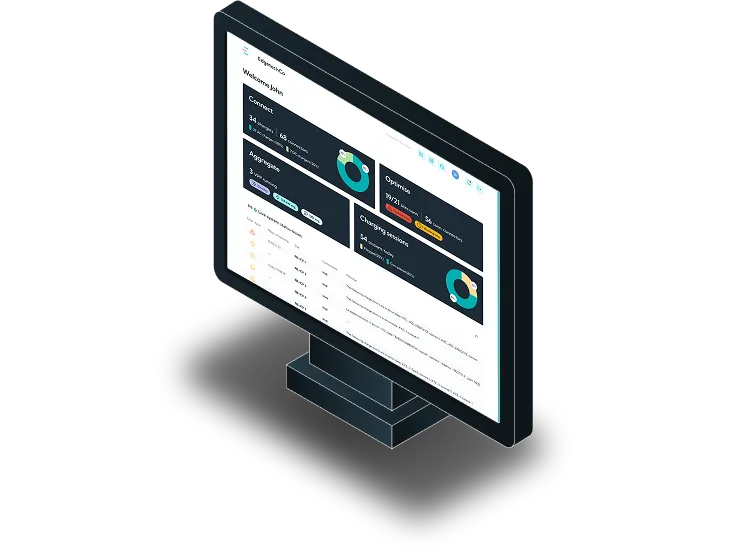


The cloud platform for load and energy management. Connects to the DSO via OpenADR 3.0, GOPACS or a custom API.
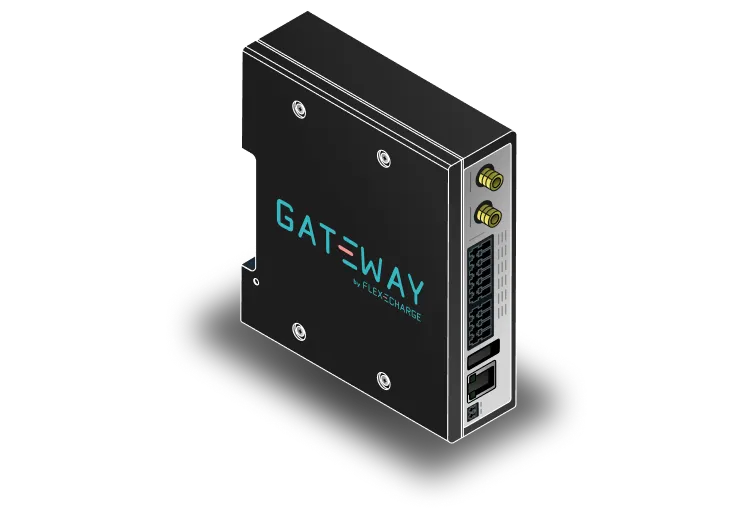


On-site load management, with all control algorithms executed locally. Connects to the DSO via Modbus TCP (offline capable), OpenADR 3.0 or GOPACS via HARMON-E.
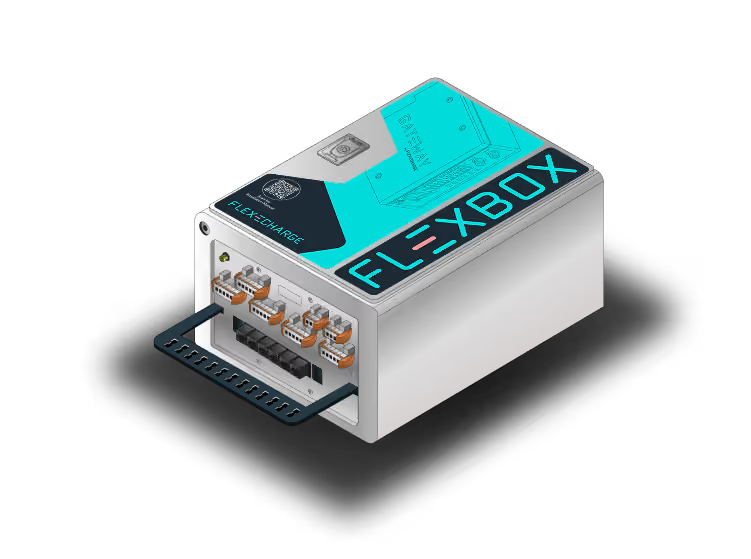

Hard-wired DSO interfacing in a single cabinet: analogue/digital I/O and IEC 60870-5-104/101, fully offline capable.
Stay compliant
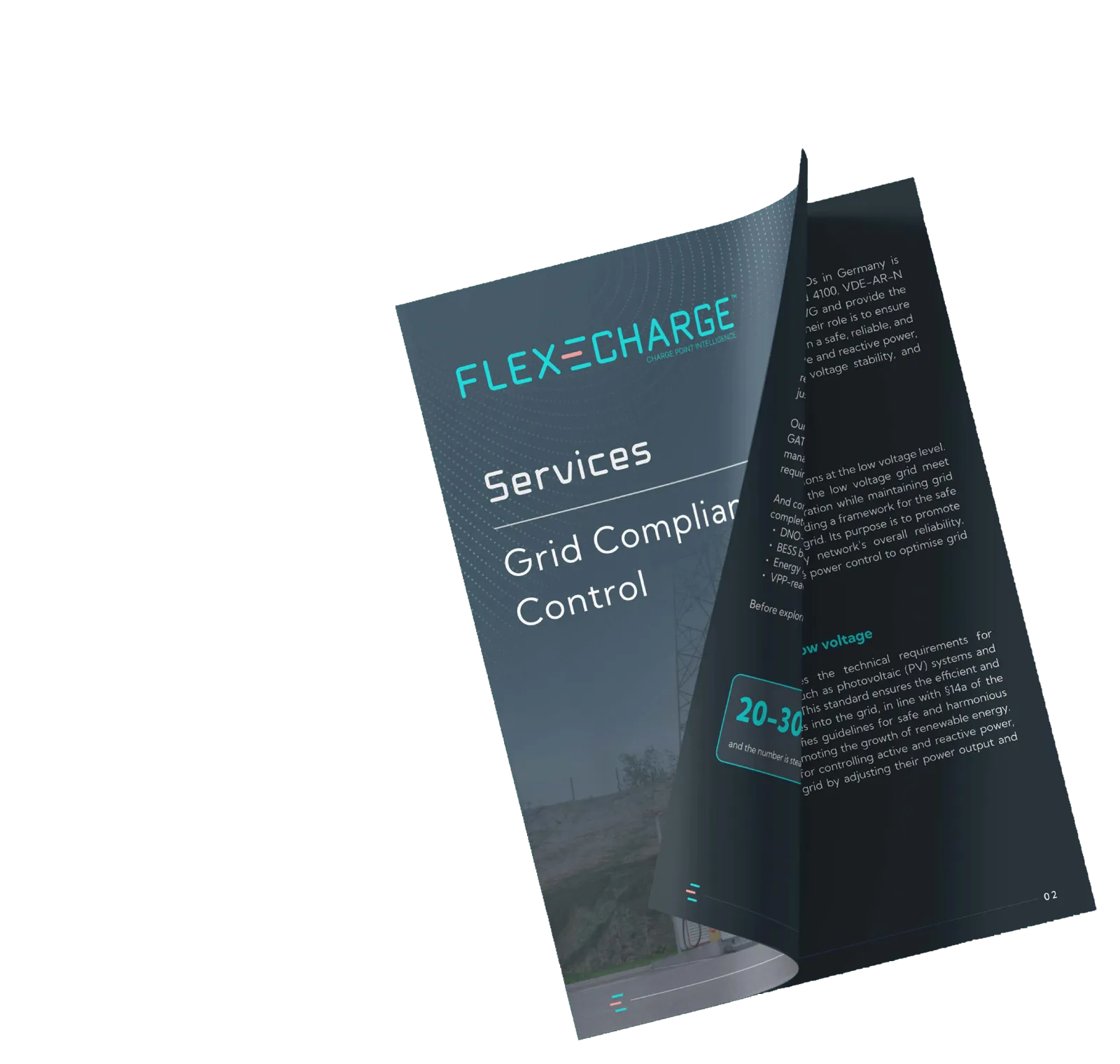
Grid Control gives the DSOs the possibility to regulate the power output of the charging infrastructure in case of a significant grid imbalance.
Built for resilience
Charging continues, even when the connection drops

Local control and fallback
The control logic runs on site, so the site keeps following DSO limits and drivers keep charging during internet outages. If communication fails, a configured fallback takes over.

BESS-supported curtailment
When the grid operator restricts the site, the battery helps cover charging demand, so drivers keep charging within the limit for as long as its stored energy allows.
Where it makes the difference
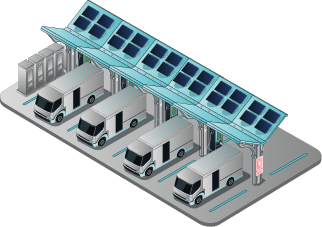
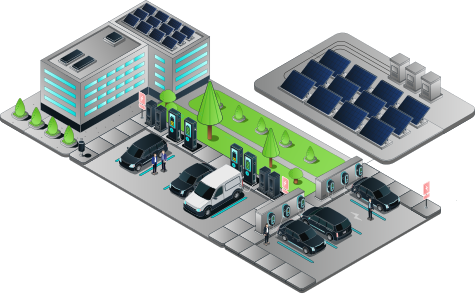
Remote control to German grid codes
What your grid operator asks
Remote control under VDE-AR-N 4100, 4105 and 4110 and §14a EnWG, across 866 grid operators.
How your site follows it
FLEXBOX takes hard-wired or IEC 104/101 signals, and GATEWAY takes Modbus TCP. Limits apply on site, even offline.

Ready for grid-aware charging
What your grid operator asks
All six regional DSOs send OpenADR 3 capacity limits for public charging from winter 2026/27.
How your site follows it
HARMON-E plans charging and battery use around each limit, the same way in every DSO area.
Connect now in Flanders
What your grid operator asks
Fluvius connects new sites on flexible terms if they follow its setpoints within about three minutes, 24/7.
How your site follows it
FLEXBOX handles real-time IEC 104 setpoints, and HARMON-E handles day-ahead OpenADR 3.1 limits. The strictest limit wins, and the battery absorbs it first.
Proof
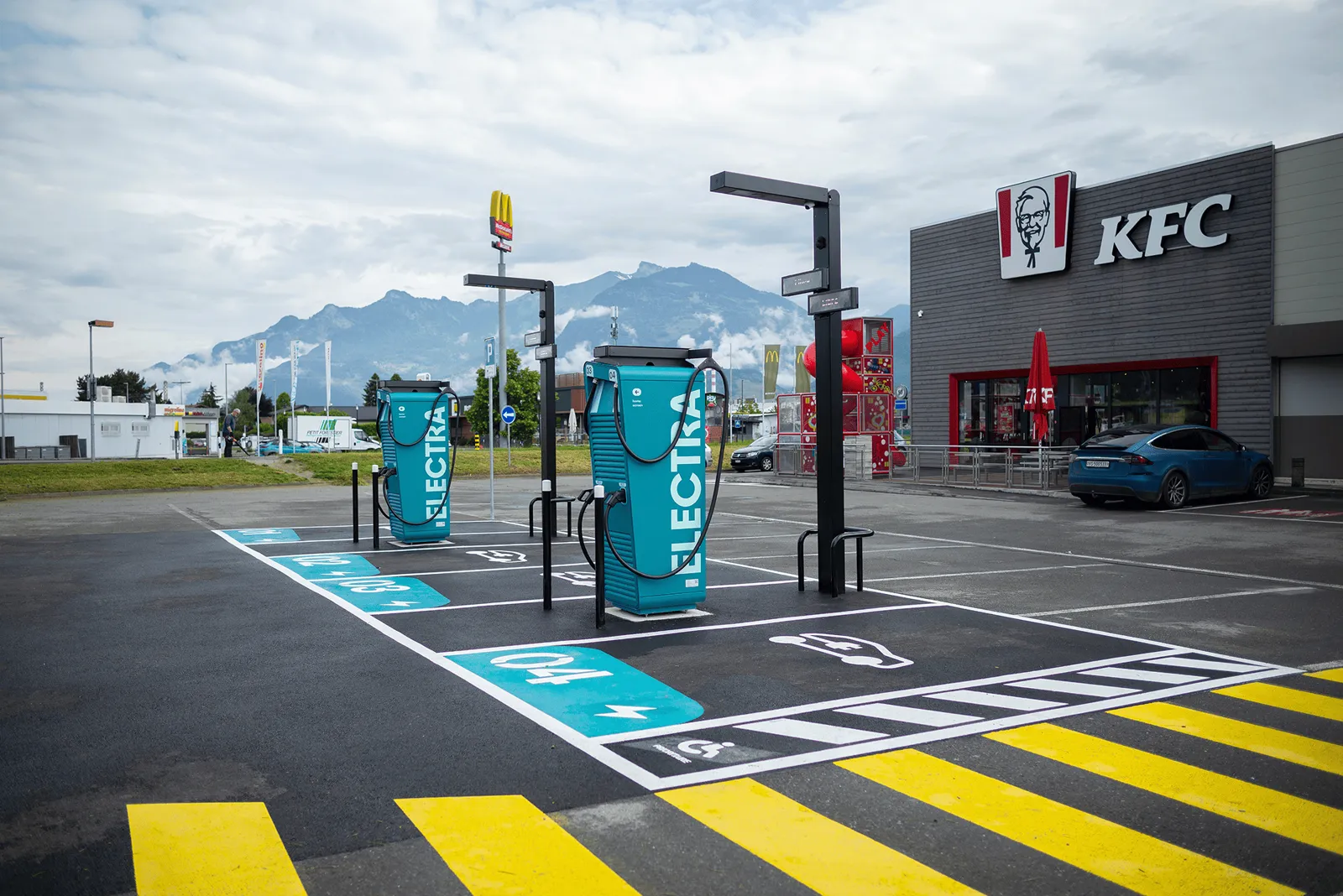
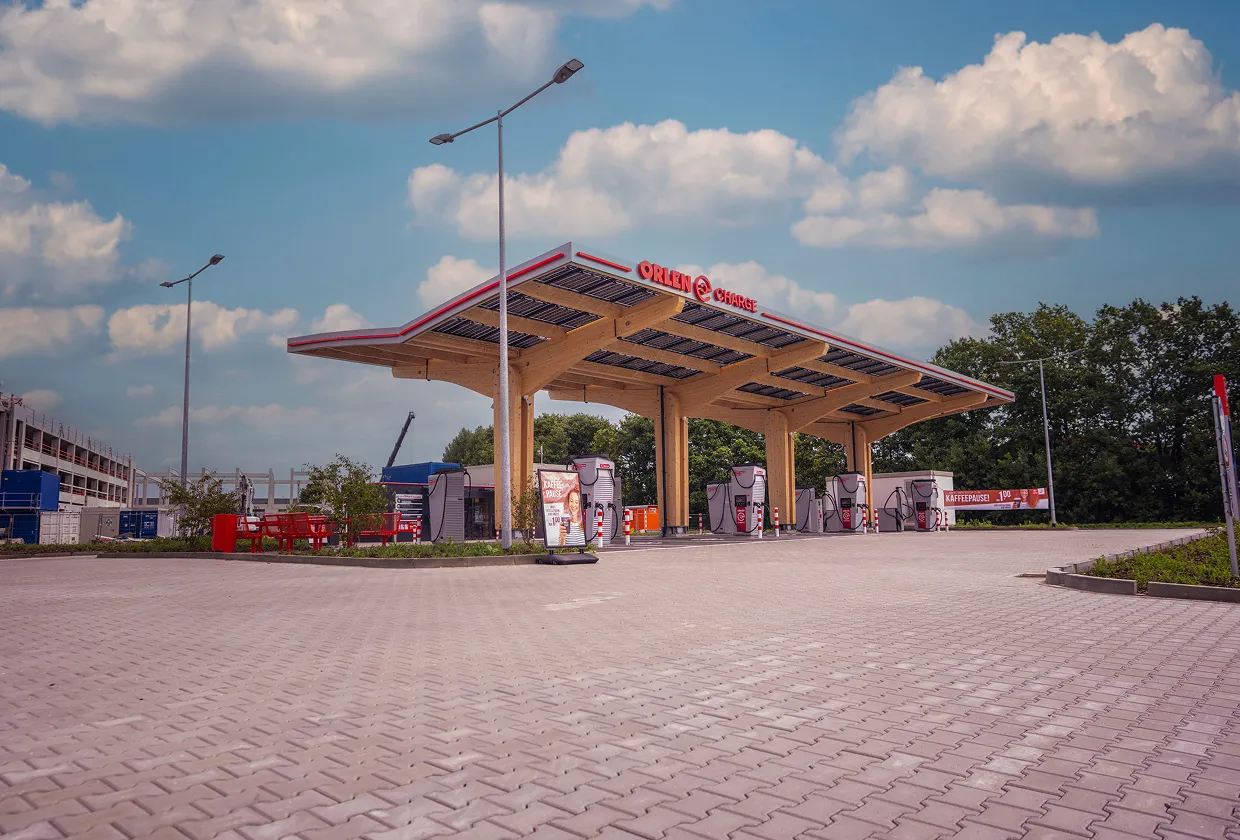
Operators running it today


Go deeper
Learn more about load management
Webinar
Product Masterclass
The 2027 BeNeLux grid playbook: new DSO rules for charging sites

Podcast
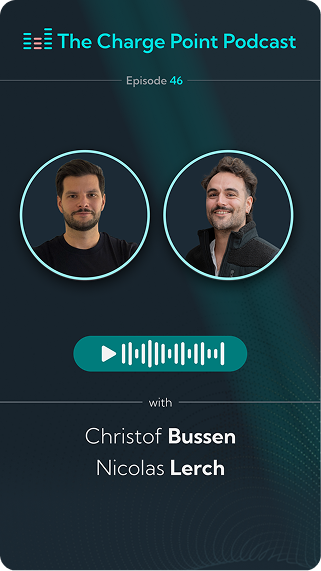
800+ Grid Operators,
One Massive Problem:
Inside EV Charging Rollout Standardization
Grid Compliance Control
Webinar
Product-led
FLEXBOX: standardise your deployments


Webinar
Optimise Masterclass Part 3:
Compliance First

Questions operators ask
Can FLEXECHARGE connect to my DSO?

We support local and cloud interfacing with the common European protocols. Tell us the operator and we’ll confirm the setup for that site.
Does compliance get me more grid capacity?

Not by itself. Some DSOs offer extra capacity under agreed restrictions; we make sure the site can meet those conditions.