
INTERFACE Benelux: Turning Grid Constraints into Opportunities — with Insights from the Event and an Interview with Fudura

The INTERFACE Benelux conference was built around a simple but urgent question: how do we keep scaling EV charging in a world where the grid is no longer keeping up?
Across the Netherlands and Belgium, grid congestion is no longer a future risk - it’s a daily operational constraint. Connection queues are growing, upgrade timelines are stretching into years, and high-power charging demand is accelerating faster than anyone anticipated.
The goal of INTERFACE was not to restate the problem - but to bring together the key actors of the ecosystem (CPOs, DSOs, OEMs, energy companies, and technology providers) to explore what actually works today.
A few key takeaways clearly emerged:
• Grid constraints are structural - not temporary
• BESS is shifting from “nice-to-have” to core infrastructure
• The real challenge is no longer hardware, but orchestration and system design
• And most importantly: constraints can be turned into opportunities - if approached correctly
Read more about the INTERFACE conference
In that context, Suzanne van Strien, Product Manager EV at Fudura, one of our main distributors in the Benelux, shared a very concrete, project-driven perspective on how to move forward.
1. How is Fudura approaching the topic of co-located BESS? Can you tell us about a typical project?
Absolutely. At Fudura, we are focusing on data driven advice to provide the best solution for the customer. We always begin by analyzing a customer’s site, their current expansion plans and , after the customer’s approval, their currentusage data. This allows us to assess whether they are facing grid congestion challenges and, for example, if they also plan to develop a charging square, we can determine what is feasible under current conditions.
Beyond that, we simulate scenarios - such as the addition of electric trucks - to evaluate whether integrating a BESS or solar PV system would help meet capacity requirements while ensuring a viable business case for the customer. In many cases, we find that the business case is highly favorable, particularly due to incentives like EREs or other regulatory benefits. Together with the customer, we will then move on to engineer the full solution where we have the ability to design a full solution from chargers to the BESS and integrated EMS when needed.
2. What did you hear today that made you think differently?
What stood out to me most at this event was the multifaceted approach to addressing congestion challenges. We examined the issue from multiple perspectives—whether through the lens of DSOs, manufacturers, CPOs and other service providers.
While many discussions naturally begin by highlighting the challenges ahead, what excites me is the focus on turning those challenges into solutions. Instead of just asking, "What problems do we face?", we’re exploring:
- What opportunities still exist?
- How can we leverage these challenges to strengthen the business case for charging infrastructure?
- How can we actively prevent congestion while creating value?
Now more than ever, it’s a field where shared innovation will drive progress to create value for the end customers.
3. If you had to give one piece of advice for a customer looking into electrifying their fleet and are feeling bounded by the limitations of their grid connection, what would that be?
I think it’s essential to recognize that these limitations don’t have to be a dead end. Instead, they can serve as a catalyst for designing a more intelligent and sustainable energy system for your operations. The first step is to view your site as more than just a place to charge vehicles—it’s an opportunity to create an integrated energy system. By combining EV charging infrastructure with Battery Energy Storage Systems (BESS), a Charge Point Management System (CPMS), and an Energy Management System (EMS), you can optimize energy use, reduce peak demand, and even unlock new revenue streams. This approach doesn’t just solve the immediate challenge of grid constraints; it transforms your site into a flexible, future-ready energy hub. You don’t need to implement everything at once. Starting small with a modular setup allows you to begin with a manageable investment while ensuring the system can grow alongside your fleet.
4. Why was it important for you to be here today? Events like this are very valuable because they bring together experts from across the entire energy and mobility ecosystem—each with unique perspectives and insights.
What I appreciate most is the opportunity to connect informally with professionals from different subfields—whether it’s grid operators, technology providers, policymakers, or fleet managers. These conversations often spark unexpected ideas and solutions that you simply wouldn’t discover in a siloed setting.
Listen to more interviews of attendees in the Episode 47 of the Charge Point Podcast
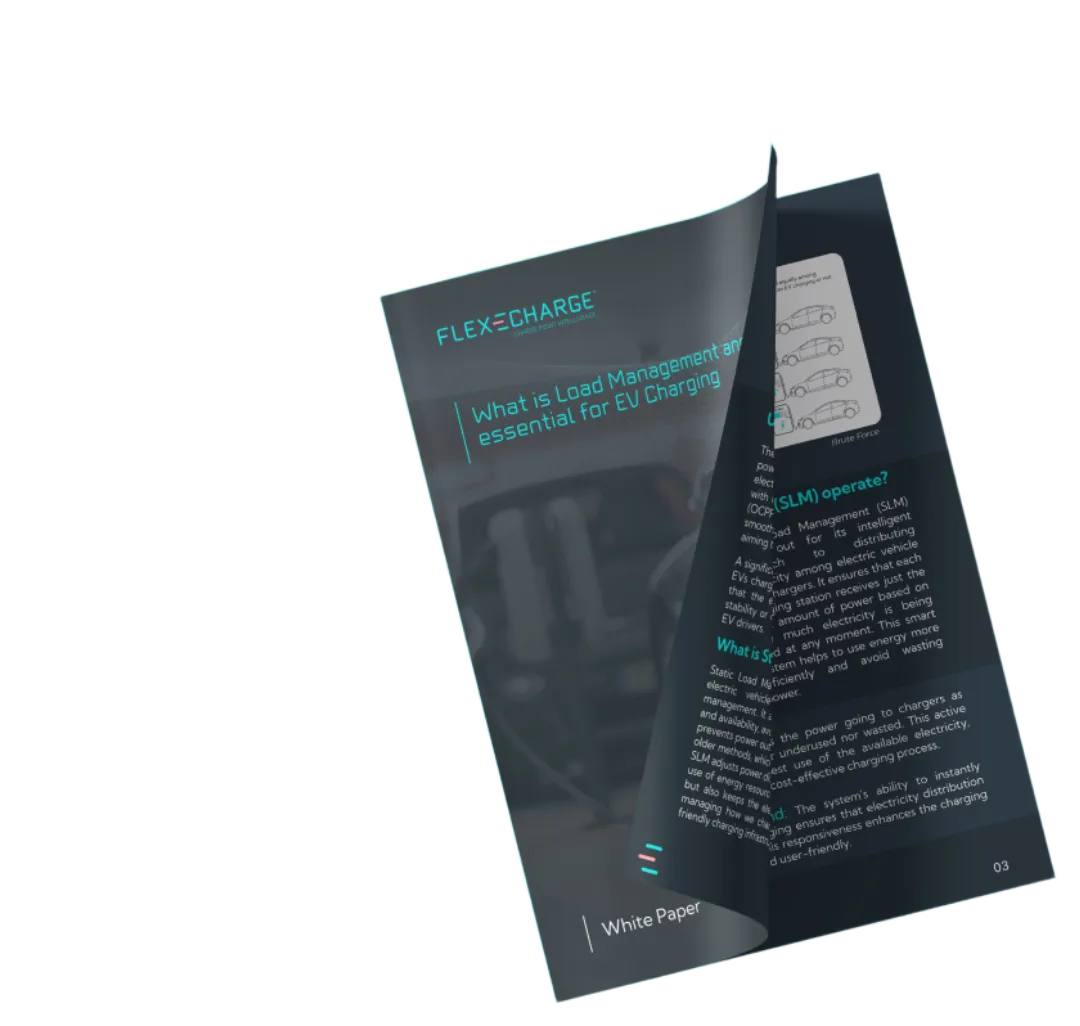
What is Load Management and why is it essential for EV Charging
Explore the essentials of advanced Load Management in this guide. Uncover the complexities of integrating EV charging systems with existing power grids, a critical challenge in energy management. Discover how solid Load & energy management solutions ensure an efficient, secure, and scalable charging infrastructure.
Join the waiting list
A new meet-up series created for decision-makers shaping the future of EV charging & the Grid. Join us for a one-day event in deliberately intimate format: high-quality keynotes, open discussion, and time to connect with peers who face the same challenges and opportunities.
Interesting reads
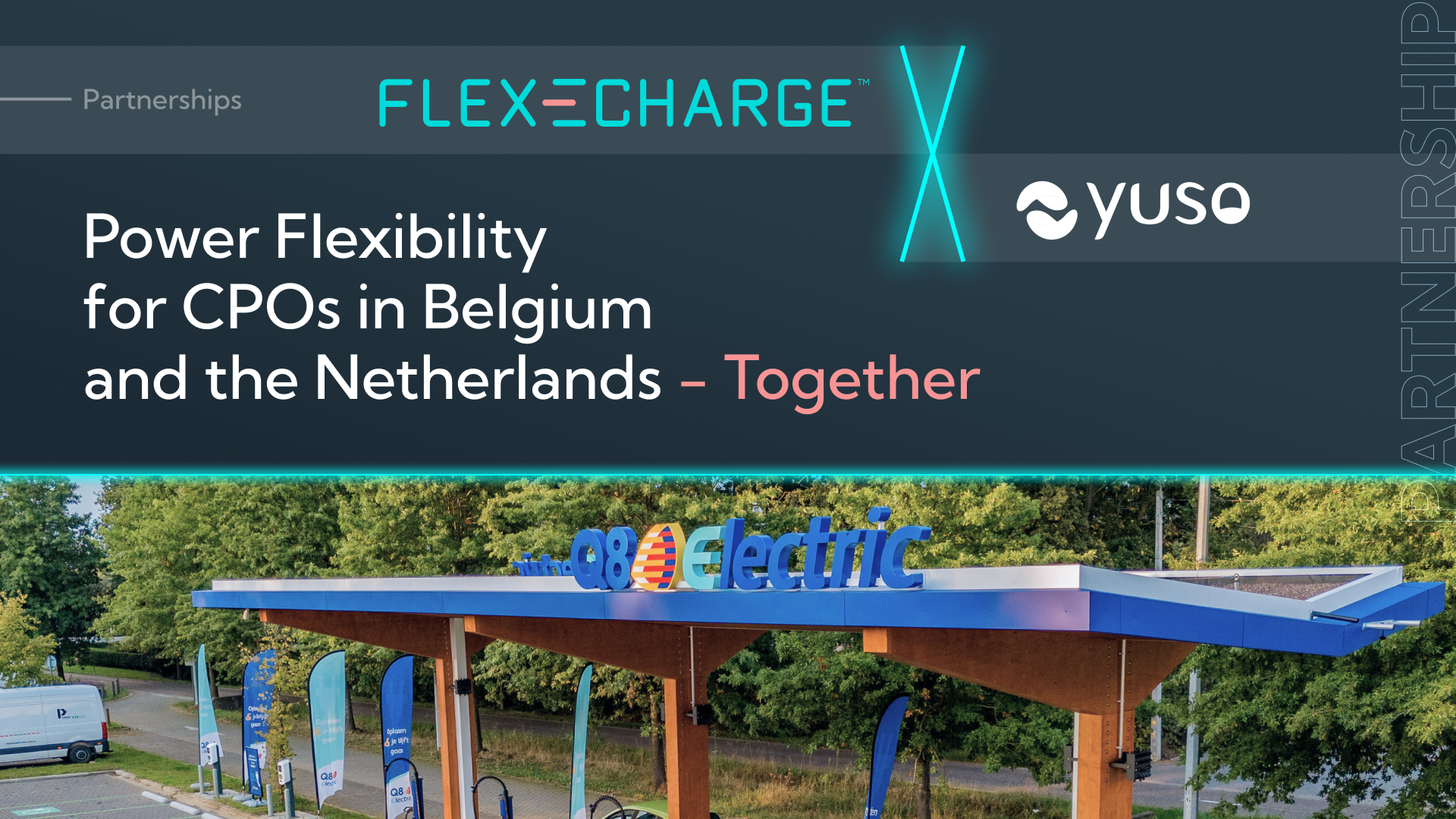
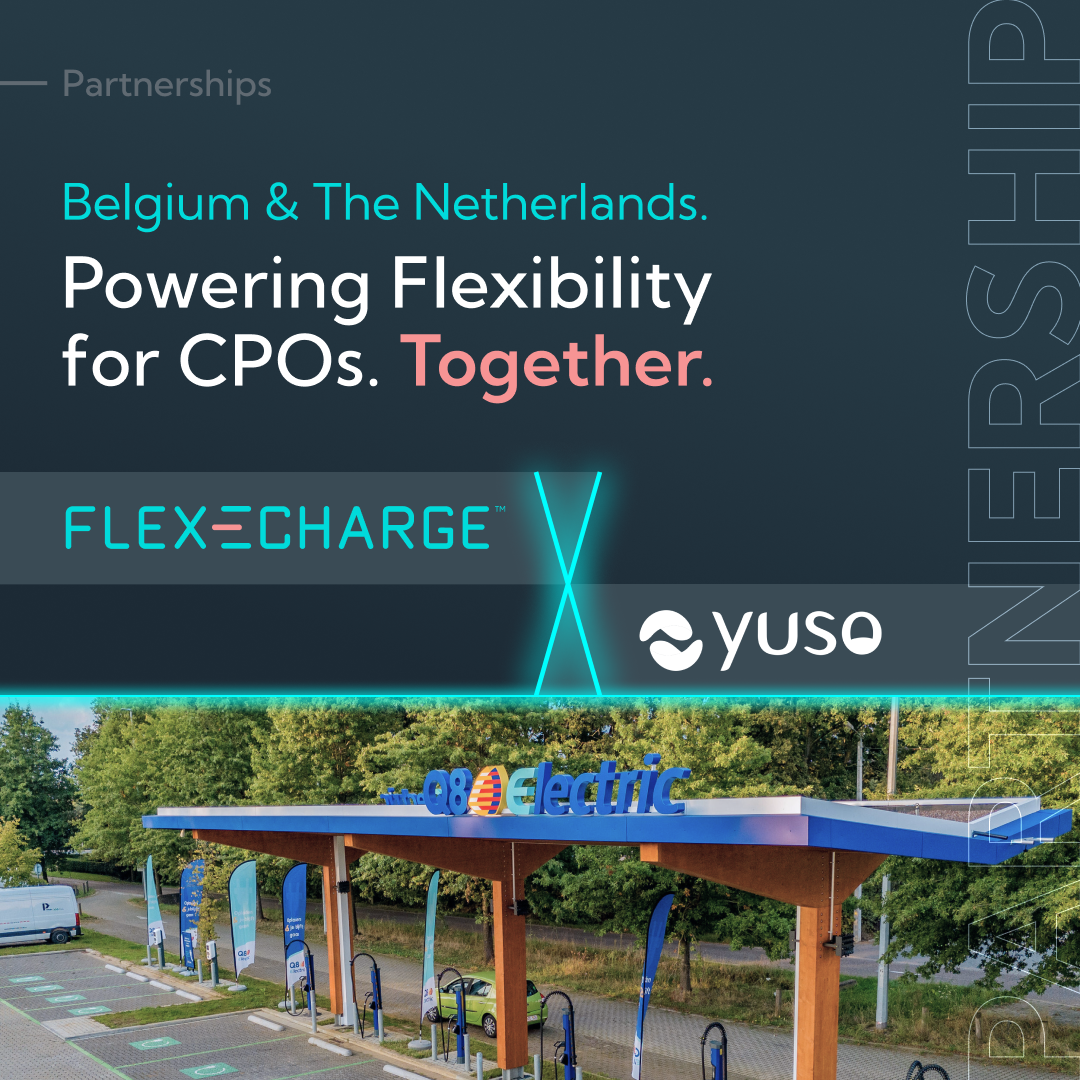
Battery Flexibility Revenue for CPOs in Belgium and the Netherlands: FLEXECHARGE and Yuso Join Forces
.jpeg)
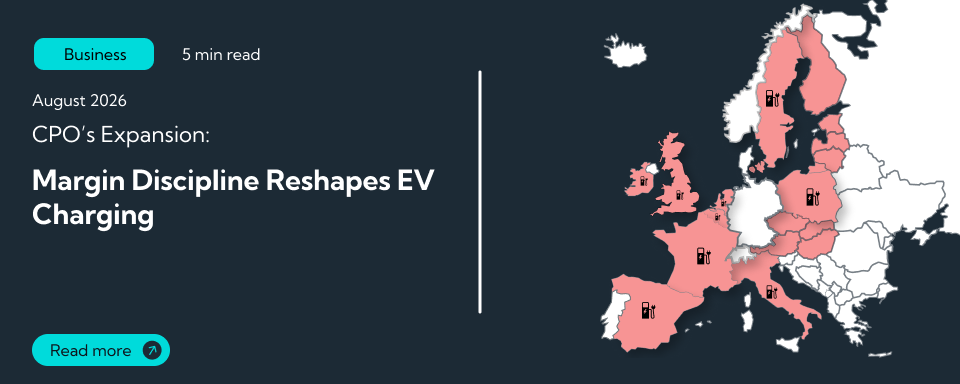
August 2026: Margin Discipline Reshapes EV Charging
Scaling EV Charging Without Scaling Complexity: Five Lessons from ORLEN
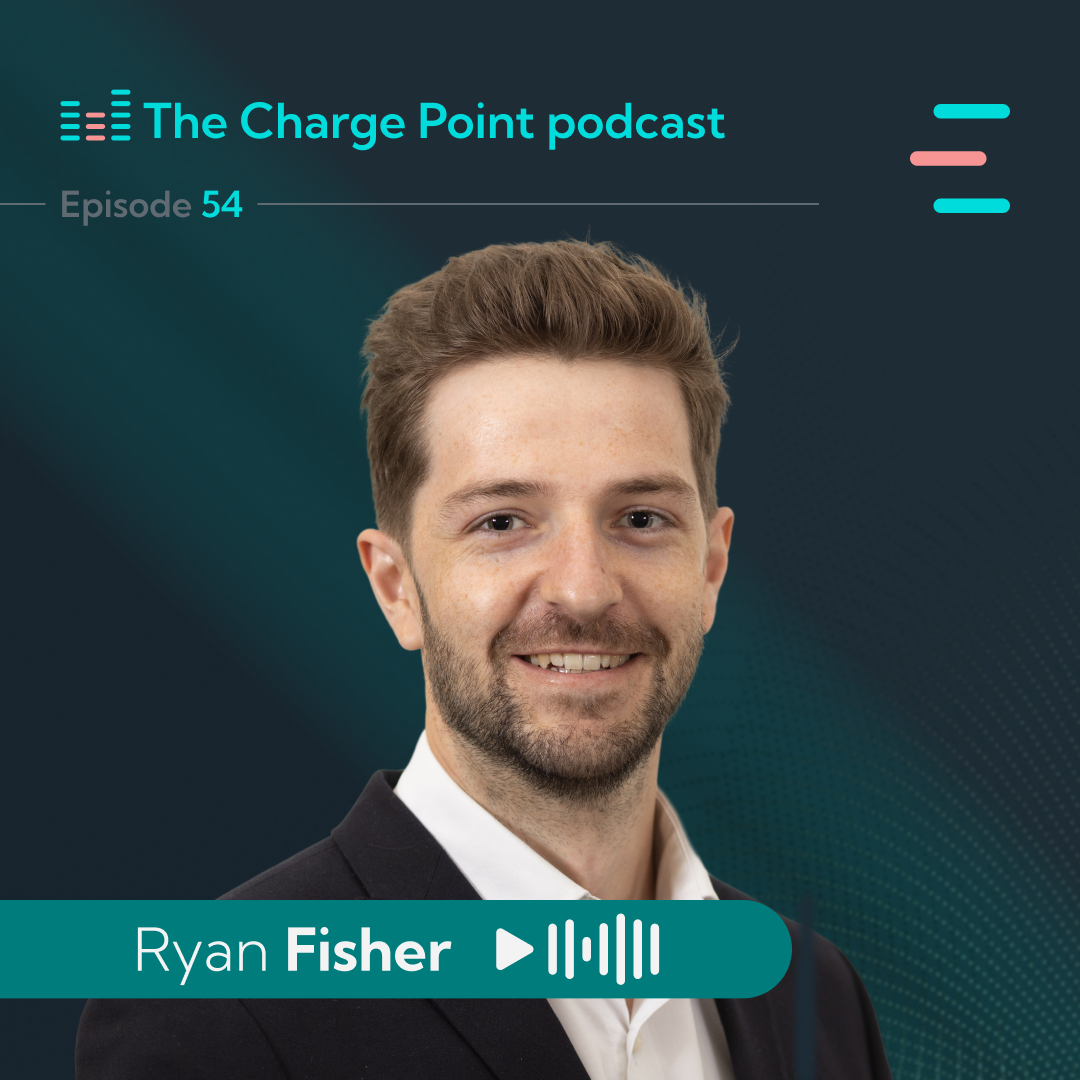
How Cheap Batteries Are Changing EV Charging Infrastructure - Interview with Ryan Fisher, BloombergNEF

Get started with
FLEXECHARGE
Contact our team to learn more about what we can help you achieve with our open, vendor agnostic platform and powerful solutions.