
How European EV Charging Operators Use BESS to Cut Grid Costs
.jpg)
BESS for European EV Charging Sites: Grid Optimization and ROI
Battery Energy Storage Systems (BESS) are moving from pilot projects to core infrastructure for European EV charging operators. As high-power charging expands across cities, motorways, and logistics hubs, grid connection constraints and energy costs are becoming decisive factors for profitability.
FLEXECHARGE’s latest BESS whitepaper shows how battery energy storage systems for EV charging sites can address these challenges through peak shaving, tariff arbitrage, and ancillary services, while delivering a predictable return on investment.
Why EV charging sites need battery energy storage systems now?
High-power EV charging hubs concentrate large, short-duration loads on the grid. In many European markets, especially in the Nordics, this translates into high capacity-based tariffs and long lead times for grid upgrades. BESS provides a practical alternative by acting as a local energy buffer.
The whitepaper highlights three core value drivers for energy storage in EV charging infrastructure:
- Peak shaving solutions for EV charging infrastructure, reducing monthly demand charges
- Energy cost optimisation for EV charging operators via dynamic tariffs
- Improving grid stability with battery storage through fast-response flexibility services
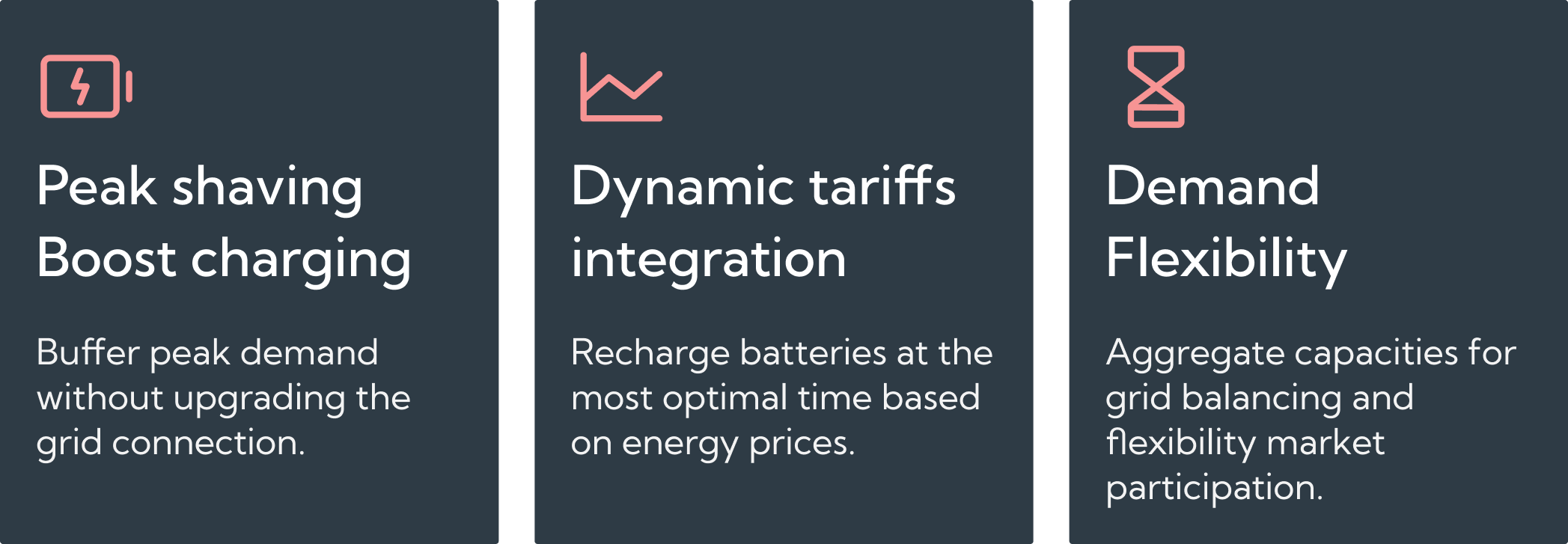
Together, these mechanisms turn charging sites into actively managed energy assets rather than passive grid consumers.
Peak shaving and grid connection optimisation under Nordic capacity-based tariffs
Peak shaving is one of the most immediate benefits of BESS. By discharging the battery during short demand spikes, charging sites can cap their grid draw without limiting charging performance.
In the Stockholm case study, the graph illustrating peak shaving capacity shows that deploying multiple battery units can reduce effective peak demand by up to 180–192 kW, translating into annual savings of approximately €17,800–€19,200, based on local capacity tariffs. This demonstrates how operators can achieve reducing grid connection costs with BESS even in markets with complex grid pricing structures.
In Denmark, where tariffs are more subscription-based, the tables show that BESS enables a direct reduction in subscribed grid capacity. Depending on system size, this can unlock €3,000 to more than €20,000 in annual savings, avoiding costly grid reinforcements and accelerating site deployment.
Tariff arbitrage opportunities for EV charging sites in Europe
Tariff arbitrage is another pillar of energy management for EV charging sites. By charging batteries when electricity prices are low and discharging during expensive hours, operators can smooth energy costs over time.
The whitepaper’s comparative graphs between Sweden (SE3) and Denmark (DK2) illustrate how tariff arbitrage using battery storage is highly market-dependent. In Copenhagen, each battery unit delivers around €9,000 per year in arbitrage-driven savings, while in Stockholm the benefit is lower due to a different generation mix and tariff design. These regional differences underline the importance of intelligent battery control for EV charging networks rather than static optimisation rules.
Ancillary services and new revenue streams in Nordic flexibility markets
Beyond cost reduction, BESS enables ancillary services revenue by supporting grid stability. Batteries can respond within seconds to frequency deviations, making them well suited for services such as FCR and FFR.
The Nordic markets are among the most mature in Europe for flexibility services. The whitepaper estimates revenues of €150,000–€250,000 per MW per year for standalone BESS in Sweden, with EV charging sites capturing additional income when batteries are not fully utilized for on-site optimization. In Denmark, complementary participation adds several thousand euros per unit annually.
For EV charging operators, this means BESS can act as both a cost-control tool and a revenue-generating asset, depending on market conditions and operational priorities.
HARMON-E: Intelligent battery control for European EV charging networks
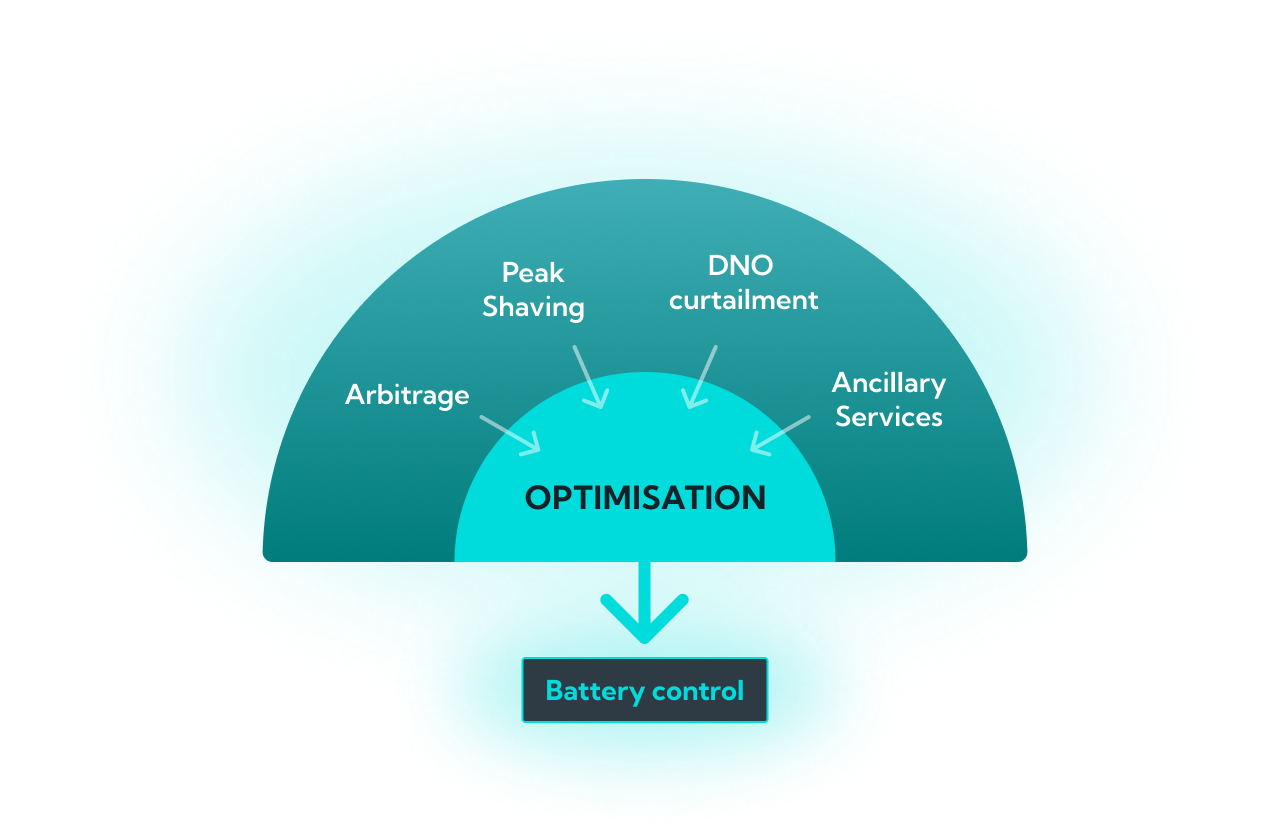
Battery energy storage only delivers value when it is intelligently controlled. In European EV charging networks, where grid limits, tariffs, and flexibility markets vary by country, this requires adaptive, real-time optimisation rather than static control strategies.
HARMON-E, our vendor-agnostic energy management platform, controls BESS and EV chargers as a single system. It enforces a defined grid power limit by discharging the battery during charging peaks and recharging it when demand drops, while dynamically prioritising peak shaving, tariff arbitrage, or ancillary services based on real-time conditions, without compromising battery health or charging performance.
Key advantages for EV charging operators:
- Vendor-agnostic integration across chargers and batteries
- Scalable operation as sites, tariffs, and regulations evolve
- Optimised energy costs and flexibility revenues
- Grid-compliant performance under local connection limits
- Long-term battery lifetime protection
Across both Nordic case studies, the combined effect of peak shaving, energy optimisation, and ancillary services delivers a projected ROI of 5–7 years, confirming BESS as a financially sound investment for EV charging operators.
From charging sites to grid-aware energy hubs in Europe
Deployments in Sweden, Denmark, and across Northern Europe show that BESS is now a practical requirement for scaling EV charging, not an optional add-on. By enabling peak shaving, lower grid connection costs, and access to flexibility and frequency markets, battery storage delivers predictable returns—typically within 5–7 years, depending on local market conditions.
As operators such as Electra, Q8, Uno-X, and E.ON Drive roll out battery-backed charging sites, one point stands out: value comes from intelligent, vendor-agnostic control. When actively managed, BESS turns charging sites from passive grid loads into grid-aware energy hubs that support stability while improving the economics of EV charging infrastructure.
👉 To dive deeper, read the full whitepaper to explore the FLEXBOX architecture in detail.

What is Load Management and why is it essential for EV Charging
Explore the essentials of advanced Load Management in this guide. Uncover the complexities of integrating EV charging systems with existing power grids, a critical challenge in energy management. Discover how solid Load & energy management solutions ensure an efficient, secure, and scalable charging infrastructure.
.png)
Optimizing Energy Infrastructure: The Benefits of deploying BESS on EV Charging Sites
Download the whitepaper to discover how BESS enables EV charging operators to reduce grid costs, unlock new revenue streams, and achieve ROI in 5–7 years.
Interesting reads
.jpeg)
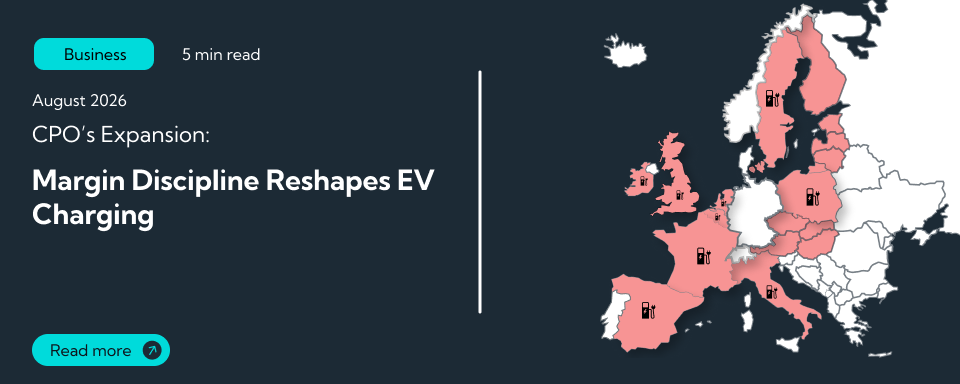
August 2026: Margin Discipline Reshapes EV Charging
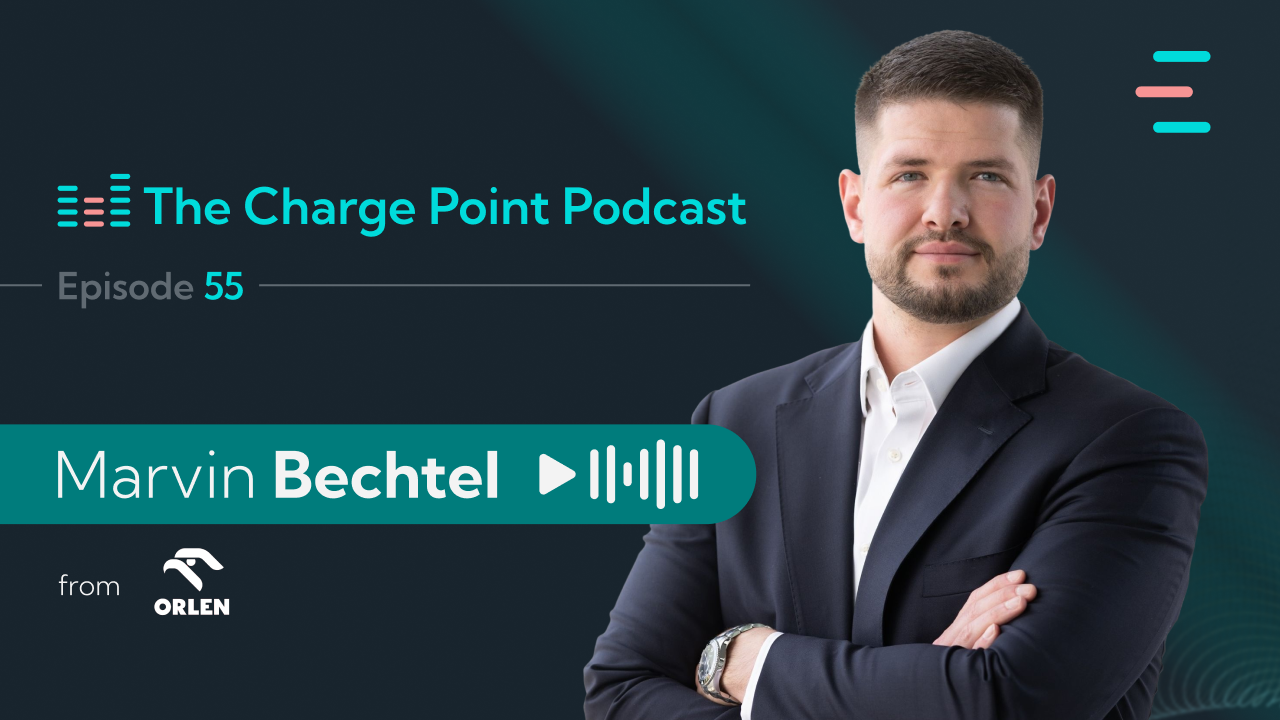
Scaling EV Charging Without Scaling Complexity: Five Lessons from ORLEN
How Cheap Batteries Are Changing EV Charging Infrastructure - Interview with Ryan Fisher, BloombergNEF
.png)
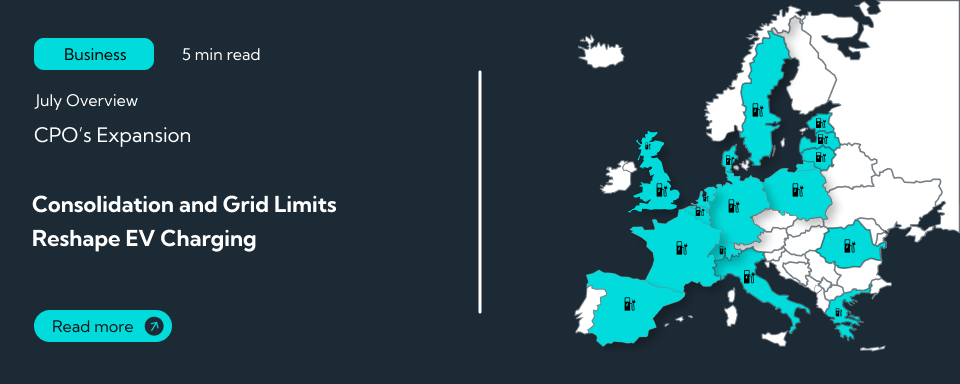
July 2026: Consolidation and Grid Limits Reshape EV Charging

Get started with
FLEXECHARGE
Contact our team to learn more about what we can help you achieve with our open, vendor agnostic platform and powerful solutions.