
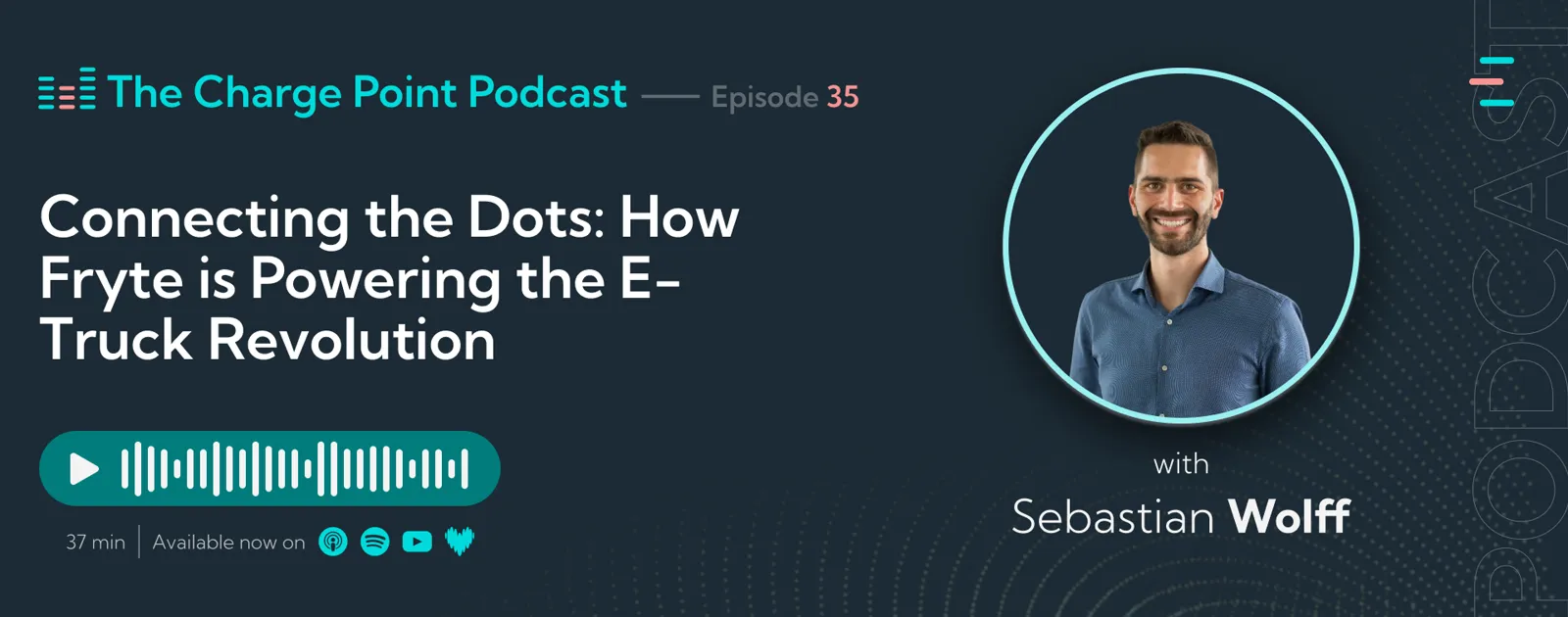
Connecting the Dots: How Fryte Is Powering the E-Truck Revolution
From Pilot Projects to Full-Scale Operations
The electric truck revolution has moved beyond the testing phase. What was once a futuristic promise is now an operational reality reshaping European logistics. In this episode of The Charge Point Podcast, Christophe Lephilibert explores this transformation with Sebastian Wolff, CTO and co-founder of Fryte, the company building what many consider the "operating system" for electric freight.
Fryte's platform doesn't just manage charging schedules—it fundamentally reimagines how logistics and energy systems interact. By connecting transport planning with real-time energy data and depot infrastructure, the company is solving one of electrification's most complex challenges: making the transition not just possible, but profitable.
At its core, Fryte is building a bridge between two industries that have historically operated in isolation. Logistics companies optimize for delivery times and route efficiency. Energy providers think in kilowatts and grid capacity. Electric freight demands both perspectives working in perfect harmony.
<iframe width="560" height="315" src="https://www.youtube.com/embed/Cno-rm2Vds0?si=_lblCUd33lRY7oEX" title="YouTube video player" frameborder="0" allow="accelerometer; autoplay; clipboard-write; encrypted-media; gyroscope; picture-in-picture; web-share" referrerpolicy="strict-origin-when-cross-origin" allowfullscreen></iframe> Link new shorts: https://youtube.com/shorts/2DuMoukvsT4?si=p6LsloLOmsPIX1jTSix Forces Reshaping Electric Freight
1. E-Trucks Have Reached Commercial Viability
The tipping point has arrived. After years of development, electric trucks now compete directly with diesel on total cost of ownership. Battery performance has improved dramatically, energy costs continue to fall, and EU carbon regulations are tilting the economic equation decisively toward electrification.
In many operational scenarios, e-trucks already deliver lower costs per kilometer than their diesel counterparts. The question is no longer if fleets will electrify, but how quickly they can execute the transition.
2. Depots Are Becoming Energy Ecosystems
Traditional freight depots served a simple purpose: park trucks overnight and refuel them for the next shift. That model is obsolete.
Modern electric depots function as sophisticated energy hubs. They integrate solar generation, battery storage systems, and intelligent management software to create self-contained power networks. Fleet operators aren't just buying energy anymore—they're actively managing it as a strategic asset.
This transformation unlocks new business models. Depots can reduce grid dependence during peak pricing hours, optimize charging schedules around renewable generation, and even monetize excess capacity by serving visiting trucks or selling power back to the grid. What was once a cost center is becoming a potential revenue stream.
3. Public and Private Infrastructure Must Converge
While depot charging will handle the majority of electric freight needs, public charging networks play a crucial complementary role. As infrastructure costs decline and coverage expands, the line between public and private charging is blurring.
The key insight: drivers don't care who owns the charger. They care about seamless, reliable access wherever their routes take them. The industry will succeed when every charging experience feels identical—predictable, fast, and frictionless, regardless of network or operator.
<iframe width="560" height="315" src="https://www.youtube.com/embed/Cno-rm2Vds0?si=_lblCUd33lRY7oEX" title="YouTube video player" frameborder="0" allow="accelerometer; autoplay; clipboard-write; encrypted-media; gyroscope; picture-in-picture; web-share" referrerpolicy="strict-origin-when-cross-origin" allowfullscreen></iframe> Link new shorts: https://youtube.com/shorts/riETssrrpQA?si=5B18uU5iCybj41Mp4. Intelligence Separates Success from Chaos
Here's the reality: plugging in dozens of electric trucks without coordination is a recipe for disaster. Megawatts of power flowing through a single location require sophisticated orchestration.
Fryte's platform integrates transport management systems with energy forecasting to optimize every charging decision. When should each truck charge? Which power source should it draw from—solar, battery storage, or grid? How can the system avoid overloading local infrastructure while minimizing costs?
Smart load management isn't a luxury feature anymore. It's the foundational technology that makes depot electrification viable at scale. Without it, operators risk blown circuits, demand charges that destroy economics, and grid constraints that limit fleet growth.
5. Competitors Are Becoming Collaborators
One of the most striking developments in electric freight isn't technological—it's cultural. Companies that traditionally competed fiercely are now sitting around the same table, sharing knowledge and solving problems together.
Wolff describes workshops where technical competitors collaborate openly on industry challenges. This shift reflects a growing recognition: the barriers to electrification are too complex for any single company to overcome alone. Shared infrastructure, open data standards, and collective problem-solving are accelerating progress across the entire sector.
In a historically siloed industry, this collaborative spirit represents a fundamental change in how logistics operates.
<iframe width="560" height="315" src="https://www.youtube.com/embed/Cno-rm2Vds0?si=_lblCUd33lRY7oEX" title="YouTube video player" frameborder="0" allow="accelerometer; autoplay; clipboard-write; encrypted-media; gyroscope; picture-in-picture; web-share" referrerpolicy="strict-origin-when-cross-origin" allowfullscreen></iframe> Link new shorts: https://youtube.com/shorts/SsM3aJ31-Nc?si=juxlbbS6hleYG6bZ6. Trucks Will Soon Generate Revenue While Parked
Vehicle-to-grid (V2G) technology represents the next frontier. In this model, parked electric trucks don't just consume power—they become active participants in the energy market.
During periods of high grid demand, these vehicles can sell stored electricity back to utilities, generating revenue during downtime. A truck that sits idle 60% of the time becomes a mobile battery asset that helps stabilize the power network while earning money for its operator.
This isn't theoretical. The technology exists, the regulatory frameworks are emerging, and the economics are compelling. V2G transforms electric trucks from pure logistics assets into dual-purpose energy resources.
Why Digital Integration Defines the Next Phase
Fleet electrification has moved beyond hardware. The trucks exist. The chargers work. The batteries are proven.
The challenge now is systems integration—connecting logistics software, energy management platforms, grid data, and depot infrastructure into cohesive, intelligent networks. This digital layer determines whether electrification scales smoothly or collapses under operational complexity.
Fryte's work demonstrates that the e-truck revolution isn't fundamentally about vehicles. It's about the invisible systems that enable those vehicles to operate efficiently: the software that coordinates charging, the platforms that optimize energy flow, and the data architectures that allow logistics and energy to finally speak the same language.
As depots evolve into smart energy hubs and industry collaboration replaces traditional competition, a new operational model is emerging—one where fleet electrification isn't just environmentally necessary, but economically superior.
Listen to the Full Conversation
🎧 Hear the complete episode of The Charge Point Podcast to explore how Fryte is bridging logistics and energy to power the next era of electric freight.
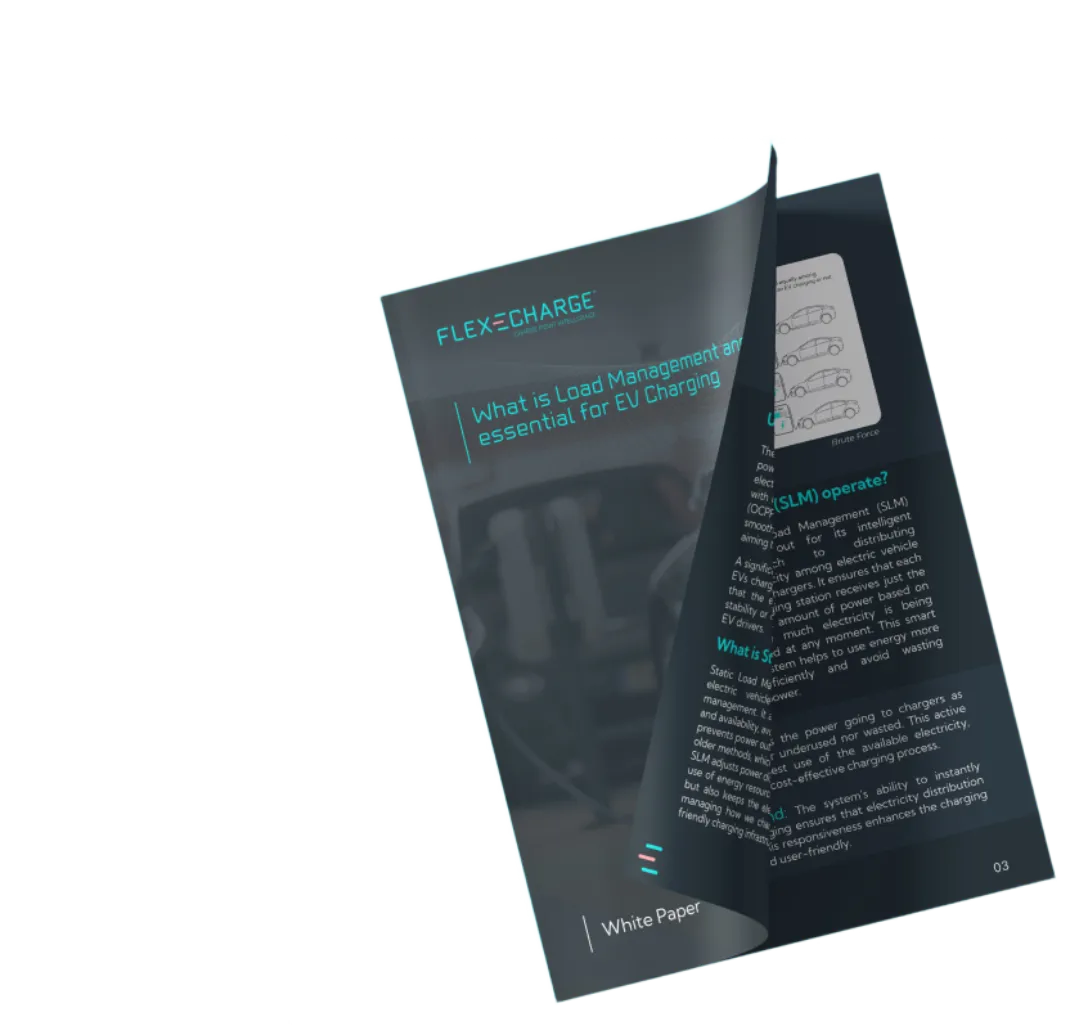
What is Load Management and why is it essential for EV Charging
Explore the essentials of advanced Load Management in this guide. Uncover the complexities of integrating EV charging systems with existing power grids, a critical challenge in energy management. Discover how solid Load & energy management solutions ensure an efficient, secure, and scalable charging infrastructure.
Episode 35 – Connecting the Dots: How Fryte is Powering the E-Truck Revolution
Discover how Fryte is building the digital backbone for electric freight—bridging logistics and energy to make e-truck operations scalable, smart, and profitable.
Interesting reads
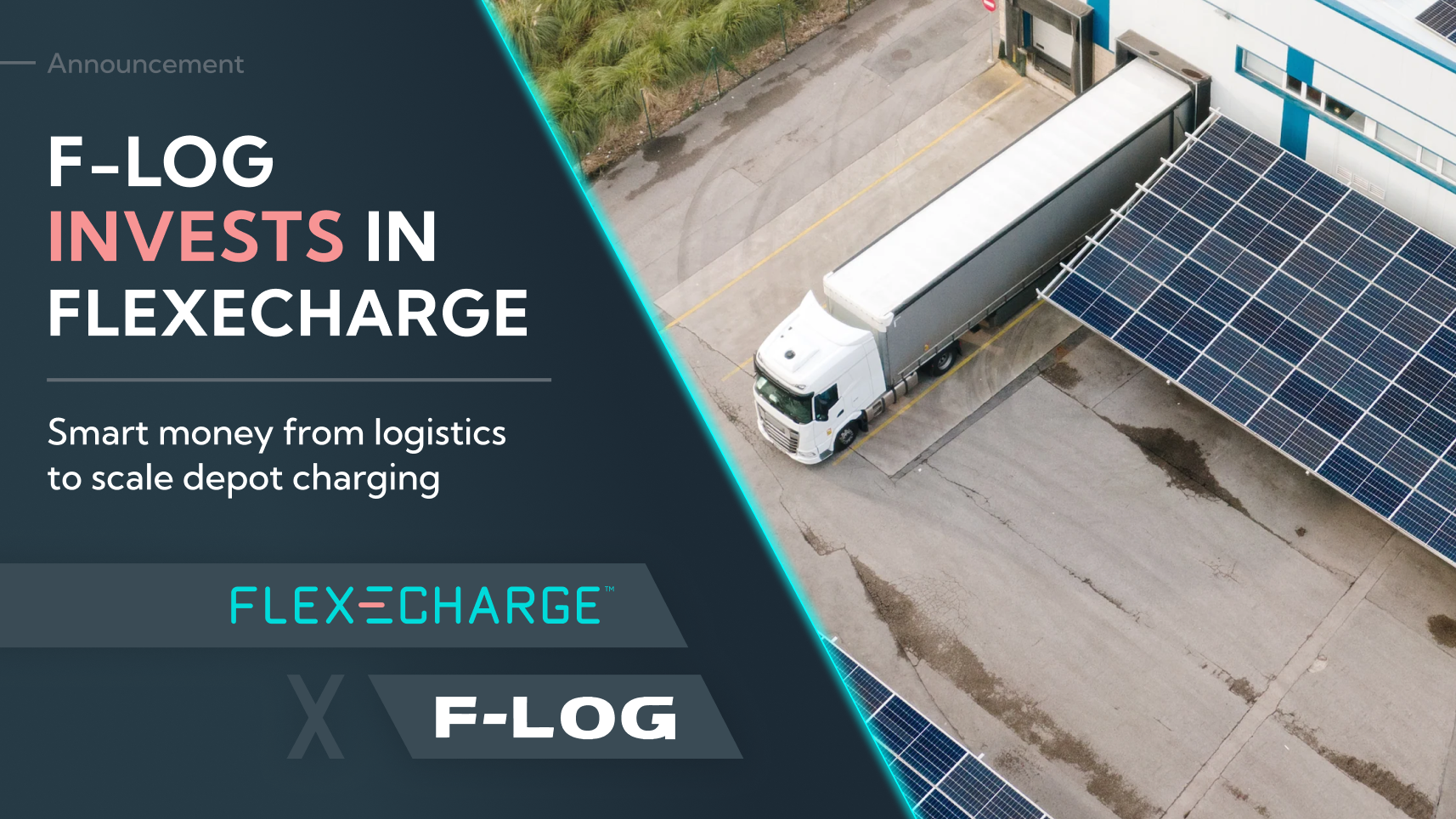

When Electric Fleets Outgrow the Grid: Why F-LOG Invests in FLEXECHARGE
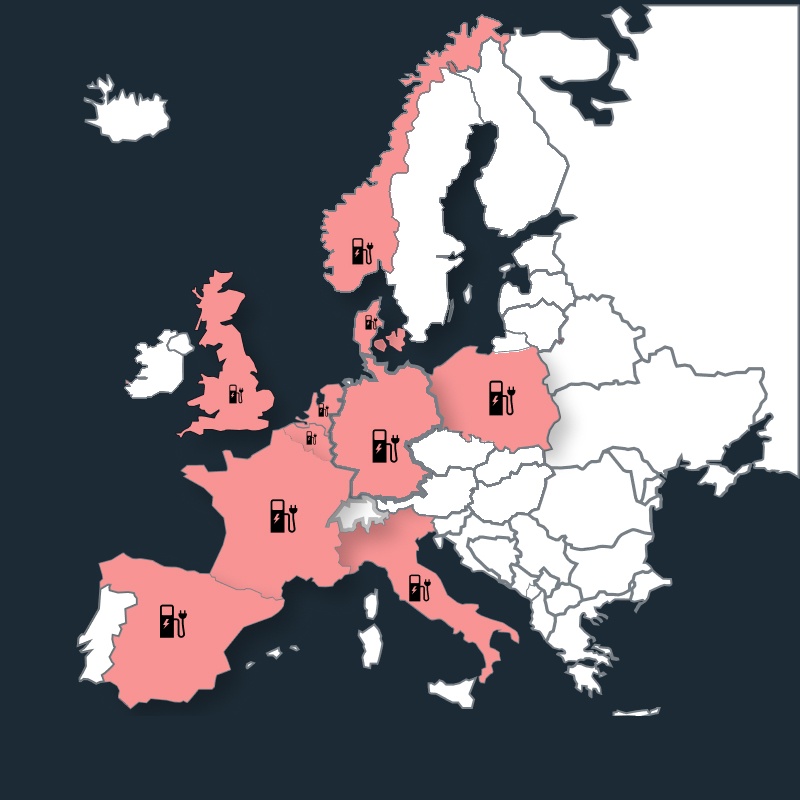
October 2026: Megawatt Charging Moves From Pilot to Product
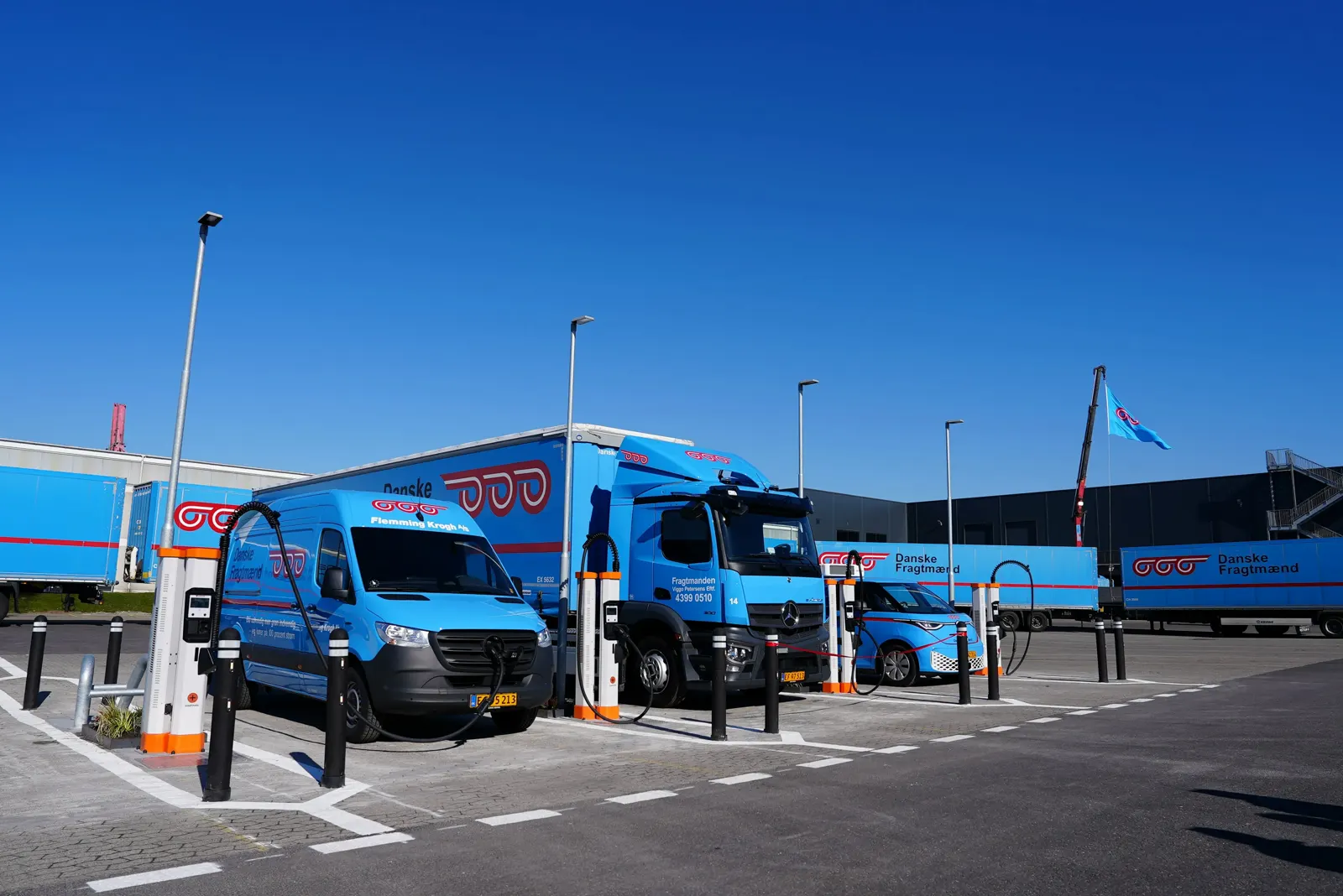
Depots Will Carry Electric Truck Charging. Corridors Will Decide Whether It Scales.
September 2026: Financing Innovation Reshapes EV Charging

Get started with
FLEXECHARGE
Contact our team to learn more about what we can help you achieve with our open, vendor agnostic platform and powerful solutions.