
Megawatt Charging Systems: The Future of Electric Trucks and Fleet Electrification
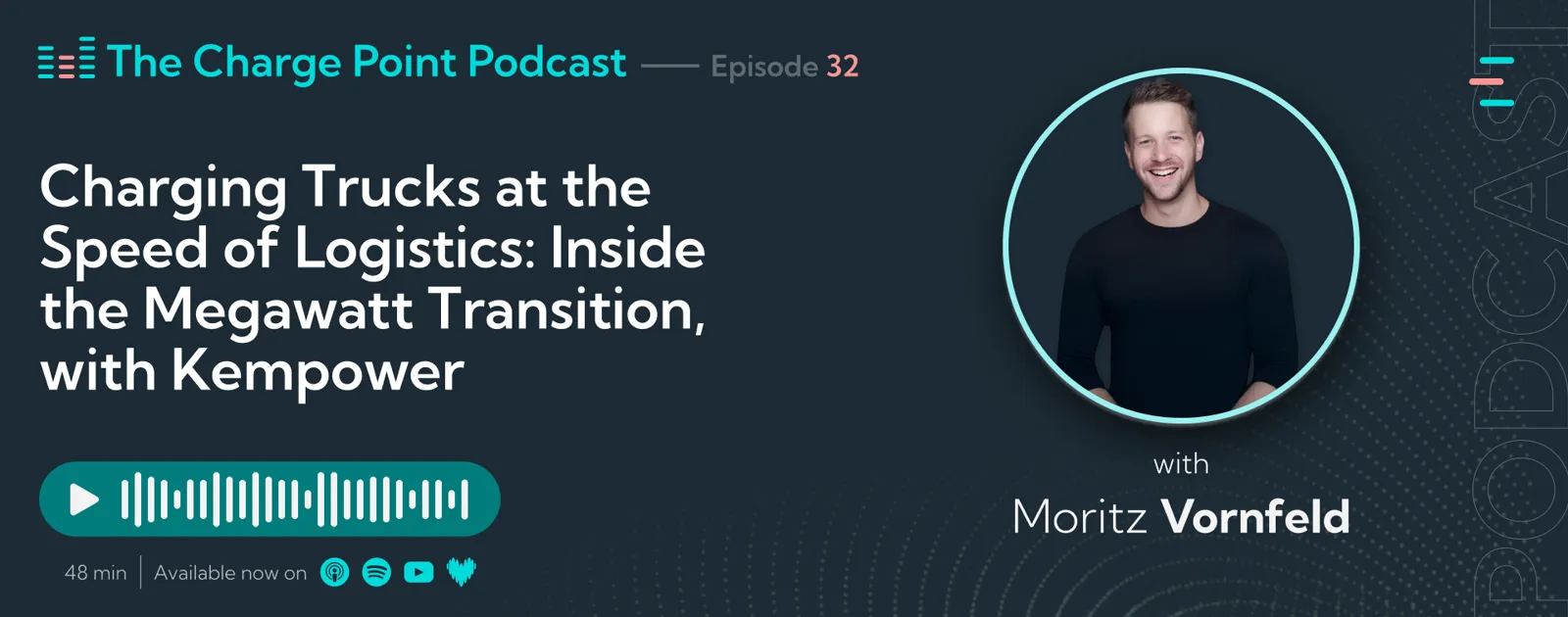
Charging trucks at the speed of logistics
The electrification of heavy-duty transport is shifting into high gear. In this episode of The Charge Point Podcast, Christophe Lephilibert speaks with Moritz Vornfeld, Segment Owner for Fleets at Kempower, to explore how Megawatt Charging Systems (MCS) are redefining long-haul electrification, depot infrastructure, and grid readiness.
Vornfeld walks us through how MCS emerged, why it’s essential for heavy transport, and what collaboration will be required for large-scale rollout across Europe and beyond.
Key takeaways
1. MCS: from concept to commercial reality
The Megawatt Charging System (MCS) began as a project under CharIN (Charging Interface Initiative) to create chargers delivering one megawatt or more of power. This level of output allows trucks to fully recharge during their 45-minute regulatory driver breaks, perfectly syncing with logistics operations.
“The idea is to charge a truck with up to one megawatt during the driver’s mandatory break—enough to get it ready for the next leg of the trip.” — Moritz Vornfeld
<iframe width="560" height="315" src="https://www.youtube.com/embed/Cno-rm2Vds0?si=_lblCUd33lRY7oEX" title="YouTube video player" frameborder="0" allow="accelerometer; autoplay; clipboard-write; encrypted-media; gyroscope; picture-in-picture; web-share" referrerpolicy="strict-origin-when-cross-origin" allowfullscreen></iframe> Link new shorts: https://youtube.com/shorts/IDlNmCFNh7c?si=qjwFjXr7NvO2UEGJ2. Truck electrification reaches an inflection point
Trucks account for nearly 7% of global CO₂ emissions. With improvements in battery capacity, charging technology, and policy incentives, electrifying logistics is now viable. By 2030, Kempower expects up to 500,000 electric trucks in Europe, up from just a few thousand today a monumental scale-up for the sector.
3. Success depends on industry-wide collaboration
When asked what will define MCS success, Vornfeld was clear: no company can do this alone. OEMs, CPOs, grid operators, and even competitors must work together to adopt and scale MCS. Operators need to take early steps to implement the standard and lead by example.
“We can only do this as an industry together—OEMs, CPOs, even our competitors. It takes all of us to push this forward.” — Moritz Vornfeld
4. The dual-standard decade: CCS and MCS must coexist
The transition won’t happen overnight. Kempower foresees a period of coexistence, where CCS and MCS will operate side by side for several years. This means fleets, CPOs, and depot planners must implement dual-infrastructure strategies to ensure both standards are supported during this evolution.
“It’s not going to happen from today to tomorrow. These two standards will need to coexist for years.” — Moritz Vornfeld
<iframe width="560" height="315" src="https://www.youtube.com/embed/Cno-rm2Vds0?si=_lblCUd33lRY7oEX" title="YouTube video player" frameborder="0" allow="accelerometer; autoplay; clipboard-write; encrypted-media; gyroscope; picture-in-picture; web-share" referrerpolicy="strict-origin-when-cross-origin" allowfullscreen></iframe> Link new shorts: https://youtube.com/shorts/4zI4ia7rf_g?si=ouWiLJrlSKQGBFcA5. Grid intelligence will make or break megawatt charging
Powering trucks at one megawatt requires rethinking how energy is managed. Vornfeld emphasized the need for local load management, battery storage integration, and smart energy orchestration to prevent grid overloads and optimize cost efficiency.
Why does this matter?
The megawatt charging transition is more than a technological leap. It’s a coordination challenge across the entire mobility value chain. Electrifying freight transport will demand smart grid planning, energy-aware depot design, and cross-sector partnerships.
The groundwork laid by MCS will also enable broader applications—from marine electrification to short-haul aviation—extending far beyond trucking.
🎧 Listen & Learn More
Explore how MCS is driving the next revolution in logistics and why smart energy management will define the success of fleet electrification.
👉 Listen to Episode 32 of The Charge Point Podcast
What is Load Management and why is it essential for EV Charging
Explore the essentials of advanced Load Management in this guide. Uncover the complexities of integrating EV charging systems with existing power grids, a critical challenge in energy management. Discover how solid Load & energy management solutions ensure an efficient, secure, and scalable charging infrastructure.
Episode 32 – Charging Trucks at the Speed of Logistics: Inside the Megawatt Transition, with Kempower
Discover how Kempower’s Moritz Vornfeld explains the megawatt charging revolution transforming electric fleets and depot infrastructure.
Interesting reads
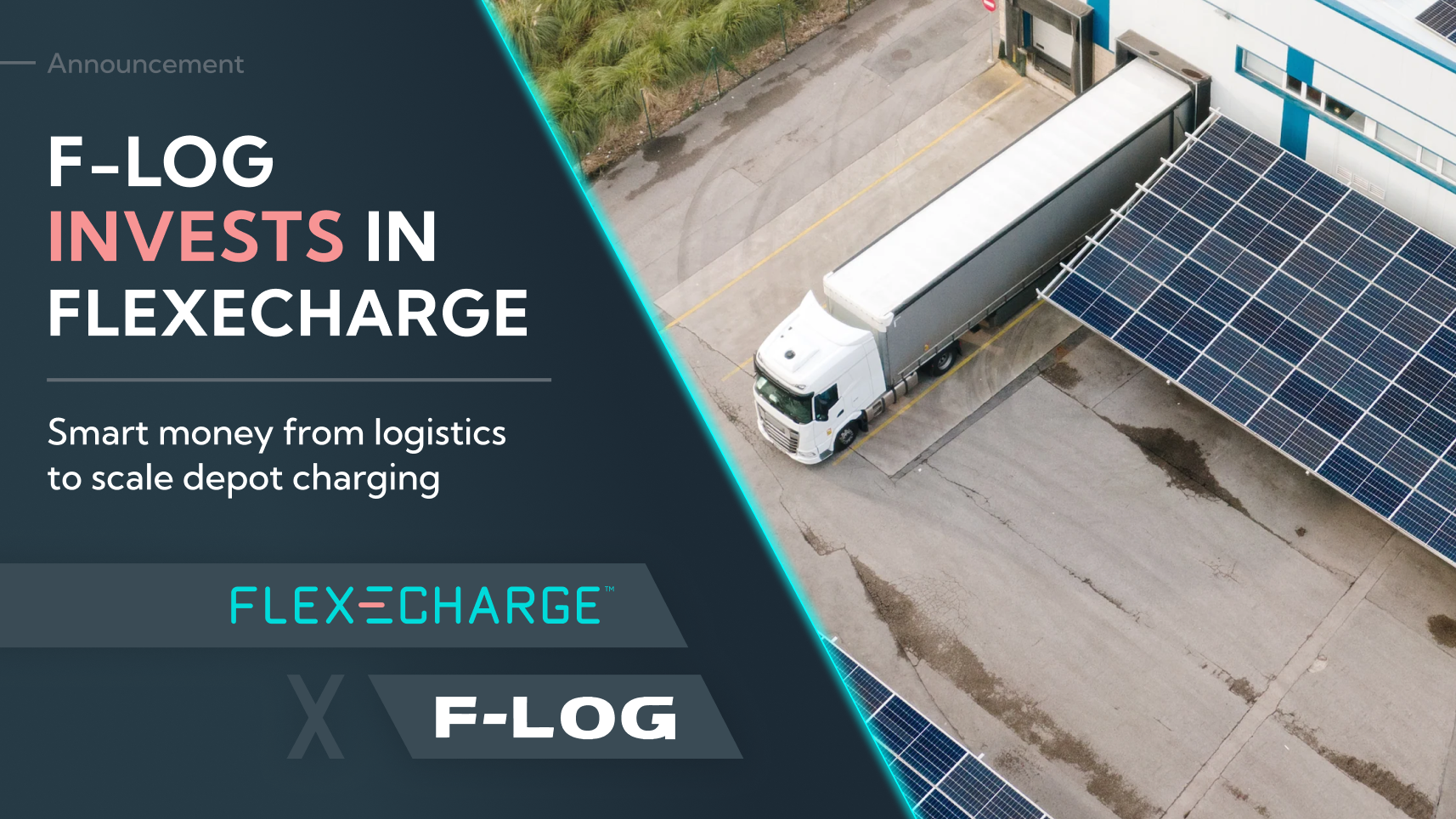

When Electric Fleets Outgrow the Grid: Why F-LOG Invests in FLEXECHARGE

October 2026: Megawatt Charging Moves From Pilot to Product
Depots Will Carry Electric Truck Charging. Corridors Will Decide Whether It Scales.


September 2026: Financing Innovation Reshapes EV Charging

Get started with
FLEXECHARGE
Contact our team to learn more about what we can help you achieve with our open, vendor agnostic platform and powerful solutions.