
High Power Charging: Scaling HPC Hubs Within Grid Limits
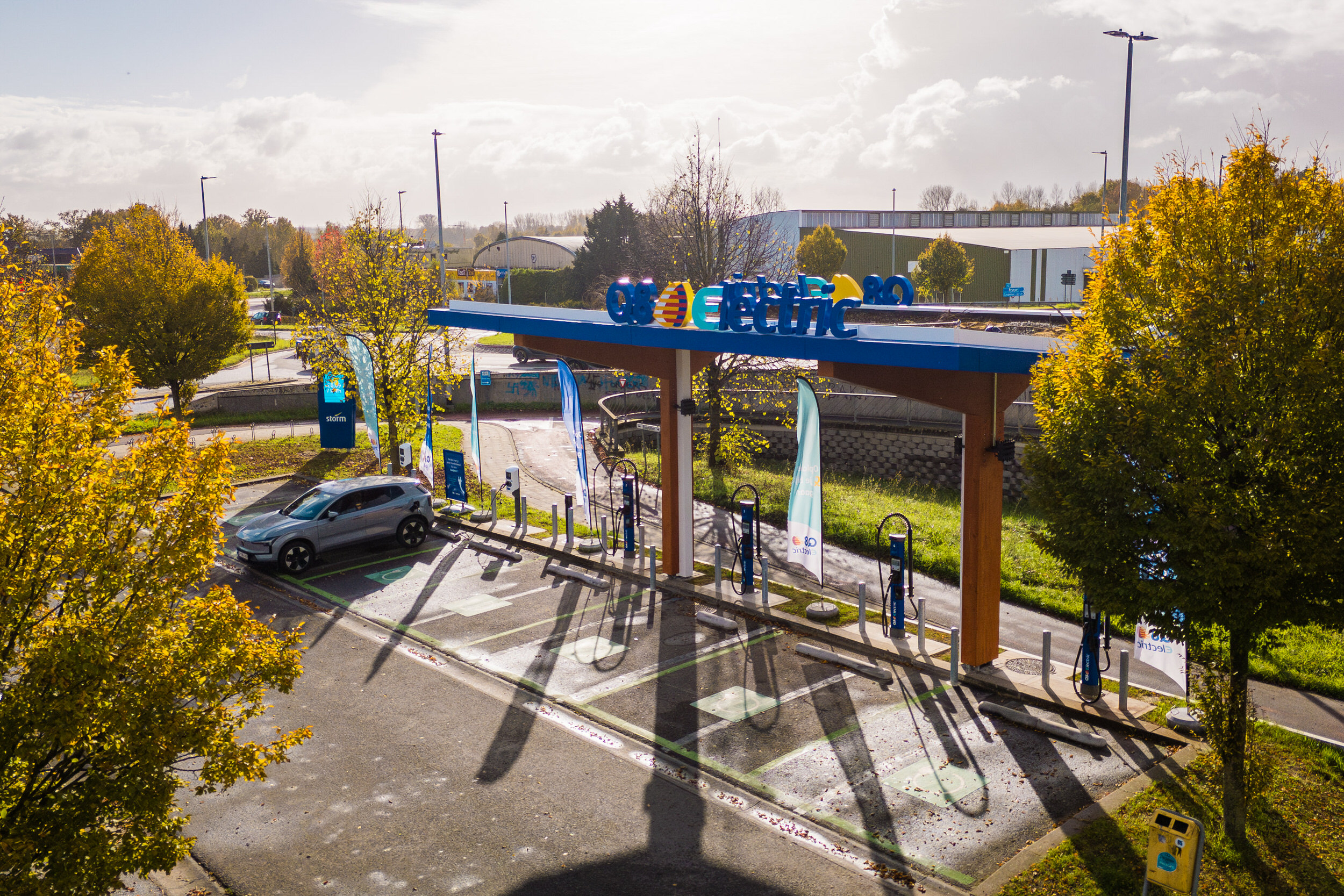
High Power Charging: Scaling HPC Hubs Despite Grid Constraints
Electric vehicle adoption has accelerated rapidly over the past decade. Annual global battery electric vehicle sales increased from around 315,000 vehicles in 2014 to approximately 10.8 million in 2024, a more than 30-fold increase in ten years. This growth has driven a fundamental shift in charging infrastructure requirements, moving beyond small, low-power sites toward large-scale deployments designed to handle sustained, high-throughput demand.
Scaling High-Power Charging infrastructure is therefore no longer a question of charger availability alone. It requires coordinated grid management, advanced load management, and software-defined control across chargers, energy assets, and grid interfaces. Without grid-aware orchestration, HPC hubs encounter connection limits, rising energy costs, and operational inefficiencies.
What is high power charging?
High-Power Charging hubs combine DC fast-charging hardware with shared grid connections and intelligent load management software. By continuously adjusting power across chargers and keeping total site demand within grid limits, grid-aware control allows megawatt-scale EV charging sites to operate reliably despite fluctuating charging demand and limited grid capacity.
What are the primary benefits of scaling high power charging infrastructure?
Reduced energy costs through controlled peak demand
Eleport’s global overview shows that many of the world’s largest High-Power Charging hubs already operate at multi-megawatt scale, where unmanaged demand peaks quickly become a major cost driver.
Intelligent Load Management smooths these peaks by distributing power dynamically across chargers, reducing demand charges and keeping grid fees predictable without constraining EV charging performance.
Faster site expansion within existing grid limits
Grid-aware orchestration allows CPOs to increase charger density while operating within existing grid limits.
Instead of waiting years for grid upgrades or new connection approvals, Local Load Management for charging hubs enables incremental site expansion aligned with real-time grid constraints, significantly reducing time to market for new High-Power EV charging stations.
Built-in compliance with DNO and grid requirements
As High-Power Charging hubs are increasingly treated as controllable loads, Grid Management software ensures automatic alignment with DNO curtailment and flexibility rules.
This prevents forced load reductions, reduces regulatory friction, and avoids deployment delays caused by non-compliant site designs.
Profitable battery investments at high-power charging sites
High-Power EV charging stations with BESS integration allow charging demand to be decoupled from grid supply. When batteries are dispatched intelligently, they support peak shaving, tariff optimisation, and participation in flexibility or Virtual Power Plant (VPP) programs.
This stacked-value approach turns battery assets into active contributors to site profitability rather than idle backup infrastructure.
What are the main obstacles to HPC deployment?
Physical grid connection constraints
Grid capacity is the primary limiting factor for HPC expansion. Megawatt-scale charging hubs routinely exceed 5–10 MW of installed power, placing strain on local distribution infrastructure. Grid reinforcement projects require long lead times and coordination with distribution system operators (DSOs), delaying site deployment.
Economic impact of demand charges
Beyond physical limits, electricity tariffs significantly affect operating costs. Demand charges linked to short-duration power peaks increase energy expenses disproportionately. Without intelligent Load Management, operators are forced to size grid connections for infrequent peak events, increasing both CAPEX and OPEX.
Regulatory and GEO-specific requirements
HPC hubs must comply with national grid codes and local flexibility rules. In Germany, for example, the Federal Network Agency (BNetzA) requires large controllable loads to support grid stability through active load control. Similar expectations are emerging across Nordic and Western European markets.
The solution: HARMON-E, the control layer for high-power charging
As charging operators scale High-Power Charging networks, they face recurring constraints such as limited grid capacity, rising connection costs, and long commissioning timelines. HARMON-E, FLEXECHARGE’s control platform, addresses these challenges by orchestrating chargers, grid capacity, and on-site energy assets in real time through a unified Load, Energy, and Grid Management layer.
Through its open, vendor-agnostic architecture, FLEXECHARGE enables:
- Real-time Load Management across heterogeneous charging hardware
- Local and cloud-based control for resilience and regulatory compliance
- Interoperability via the Open Charge Point Protocol (OCPP), avoiding vendor lock-in
- Integration with battery storage, PV systems, and energy meters
- Grid-Aware Orchestration for High-Power Charging at site and network level
By supporting Dynamic Peak Shaving and Local Load Management for charging hubs, HARMON-E helps reduce energy and service costs while shortening deployment and commissioning timelines. Aggregating multiple sites under a single control layer also enables participation in flexibility markets and Virtual Power Plant (VPP) schemes, creating additional revenue opportunities for High-Power Charging networks.
Why intelligent software defines the future of HPC hubs
The world’s largest EV charging hubs show where the industry is heading: higher power, more chargers, and tighter grid constraints, all at the same time.
The difference between a constrained, expensive HPC site and a scalable, profitable one lies in how intelligently energy is managed.
👉 Explore smarter EV charging in our whitepaper: Advanced Load & Energy Management for smarter EV charging

What is Load Management and why is it essential for EV Charging
Explore the essentials of advanced Load Management in this guide. Uncover the complexities of integrating EV charging systems with existing power grids, a critical challenge in energy management. Discover how solid Load & energy management solutions ensure an efficient, secure, and scalable charging infrastructure.

Why Fuelling Stations Operators Should Electrify Their Business and How They Can Do It
Discover how to scale your high-power charging infrastructure efficiently and profitably. Download our whitepaper to learn how intelligent load and energy management can unlock grid capacity, reduce costs, and future-proof your HPC network.
Interesting reads
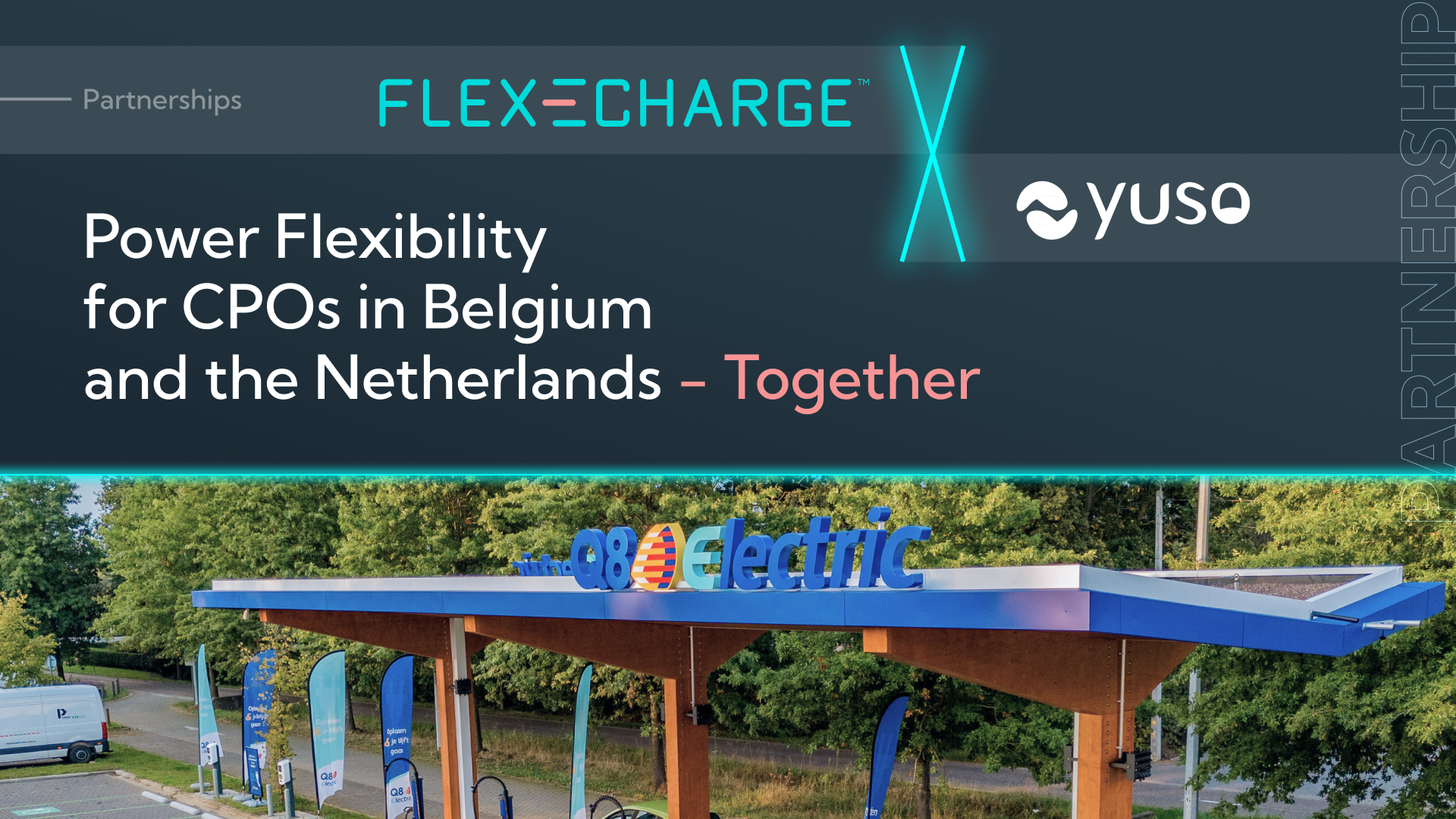
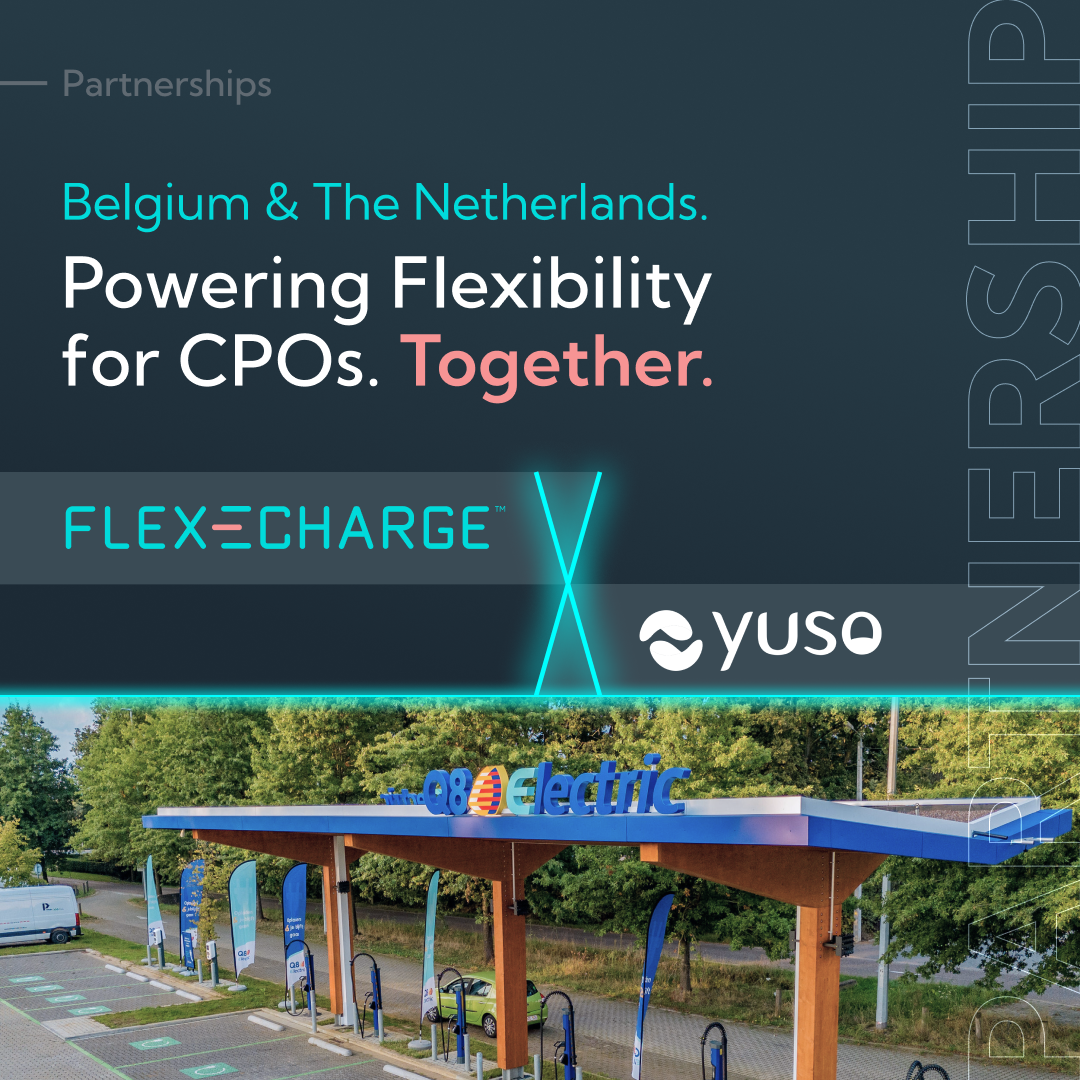
Battery Flexibility Revenue for CPOs in Belgium and the Netherlands: FLEXECHARGE and Yuso Join Forces
.jpeg)
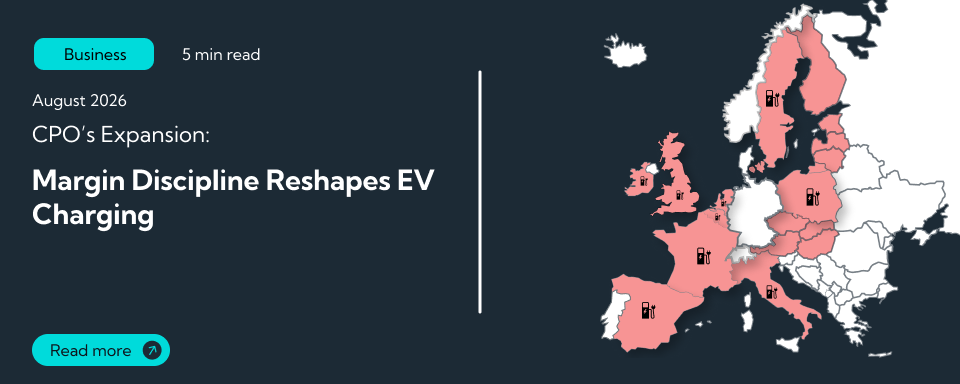
August 2026: Margin Discipline Reshapes EV Charging
Scaling EV Charging Without Scaling Complexity: Five Lessons from ORLEN
How Cheap Batteries Are Changing EV Charging Infrastructure - Interview with Ryan Fisher, BloombergNEF

Get started with
FLEXECHARGE
Contact our team to learn more about what we can help you achieve with our open, vendor agnostic platform and powerful solutions.