
What Makes AI-Driven Peak Shaving Essential for European CPOs?

How CPOs Use AI-Driven Peak Shaving to Reduce EV Charging Costs
For many European Charge Point Operators, profitability is no longer determined by average energy consumption. What increasingly matters is one short period of extremely high-power demand.
A single uncontrolled peak during a billing interval can add €2,000–€3,000 to a monthly electricity bill. As grid constraints grow across Europe, demand charges are becoming a major operational challenge for EV charging networks.
This is particularly visible in markets such as Germany, the Netherlands, Sweden, Finland, and France, where utilities are introducing tariff structures designed to reduce pressure on the grid.
AI-driven peak shaving is emerging as a more advanced approach that helps operators reduce costs, optimise charging performance, and adapt dynamically to local energy market conditions.
Why European demand-based grid tariffs are increasing EV charging costs
Across Europe, more utilities are shifting toward demand-based tariffs. Instead of calculating grid fees only on total energy consumption, operators are also charged based on the highest power peak reached during a billing interval.
For EV charging hubs, this creates a difficult operational challenge. A site may operate normally for most of the month, but one busy charging session with several vehicles charging simultaneously can still trigger a large additional grid fee.
In Germany, many tariffs use 15-minute billing windows, which means even short spikes can significantly affect operational costs. Other countries operate with 60-minute intervals, creating completely different optimisation opportunities.
As Christof Bussen, Product Strategist at FLEXECHARGE, explained the business case changes dramatically depending on whether local tariffs are closer to €2 per kW or above €30 per kW.
For operators expanding fast-charging infrastructure, these differences increasingly shape both site design and operational strategy.
Why static load management is no longer enough for high-power EV charging hubs
Many EV charging sites still rely on static load management. Operators define a fixed site limit, and once that threshold is reached, charging power is reduced across chargers.
While this protects the grid connection, it often creates unnecessary inefficiencies because the system cannot adapt to changing charging behaviour, tariff structures, or billing windows.
As Christof explained “if you want to optimise that, there are several things you need to take into account.” With static limits, operators often cannot see what charging demand could have looked like under different site conditions.
This difference is often described as “fixing peaks” instead of optimising them. AI-driven peak shaving takes a more dynamic approach by continuously analysing charging demand, historical usage patterns, and available site capacity.
How AI-driven peak shaving balances charging performance and demand charges
Reducing peaks alone is not the objective. The real challenge is identifying the financially optimal balance between charging performance and demand charges.
If charging limits are too restrictive, charging sessions become slower and site utilisation decreases. If limits are too high, energy costs rise unnecessarily.
AI-driven optimisation allows operators to continuously balance charging speed, site throughput, customer experience, and local tariff conditions at the same time. This becomes especially important at high-utilisation charging hubs where energy demand changes rapidly throughout the day.
Instead of reacting after a demand peak occurs, operators can proactively optimise charging behaviour based on actual site conditions and billing structures.
How Battery Energy Storage Systems support EV charging peak shaving
Battery Energy Storage Systems (BESS) are increasingly being combined with AI-driven peak shaving strategies across Europe.
Instead of reducing charging power during a demand spike, stored energy from a battery can temporarily support the charging site and absorb excess load. This allows operators to reduce demand peaks without negatively affecting charging performance.
The combination of intelligent charging software and BESS also improves flexibility for operators participating in energy and flexibility markets while reducing dependence on expensive grid upgrades.
Peak shaving as a foundation for scalable EV charging
As demand charges and grid constraints increase across Europe, static load management is no longer enough for high-utilisation charging hubs.
With AI-driven peak shaving, FLEXECHARGE helps CPOs reduce grid costs, optimise charging performance, and adapt dynamically to local tariff structures. By combining adaptive charging, dynamic load management, and BESS integration, operators can scale EV charging infrastructure more efficiently while maintaining a reliable charging experience.
👉 To dive deeper, watch the on-demand webinar to explore the AI-powered Peak Shaving in detail
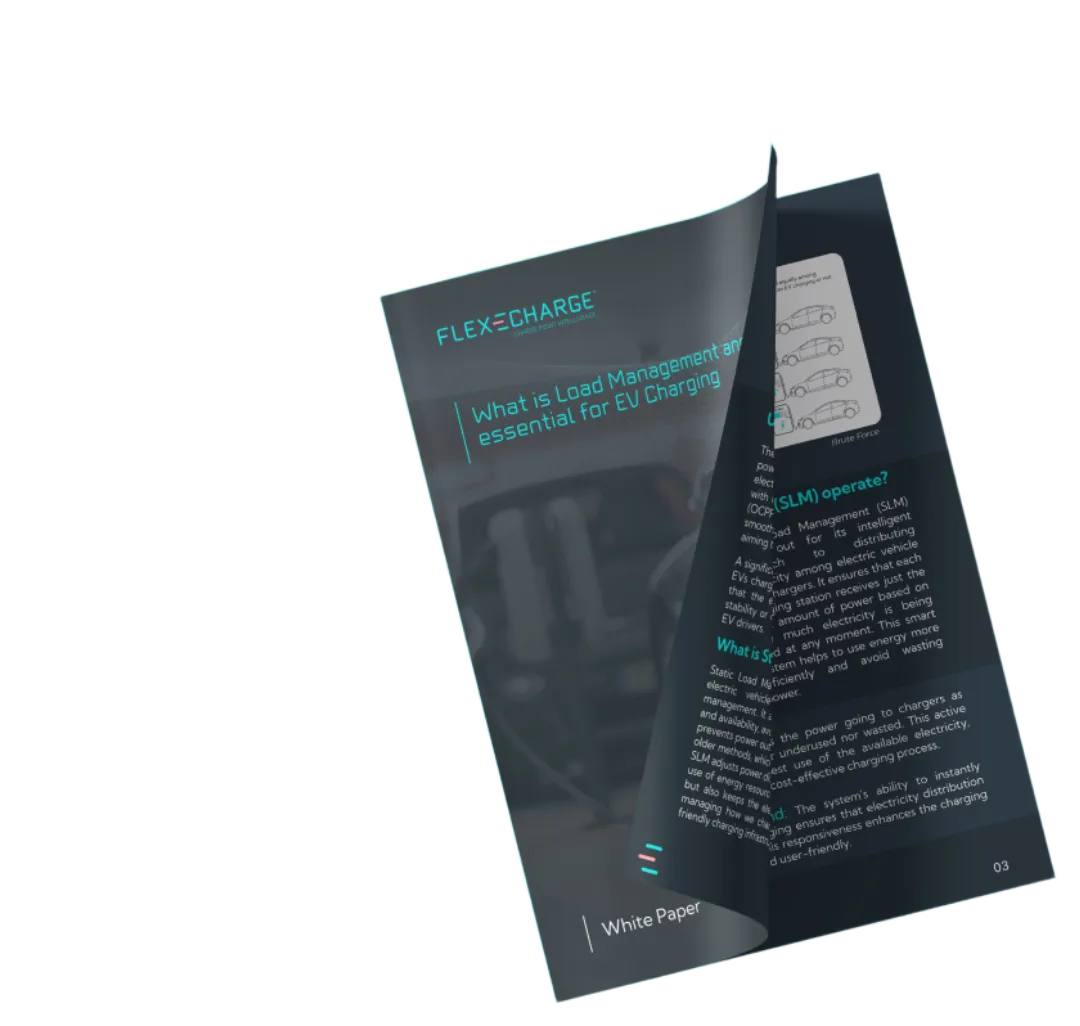
What is Load Management and why is it essential for EV Charging
Explore the essentials of advanced Load Management in this guide. Uncover the complexities of integrating EV charging systems with existing power grids, a critical challenge in energy management. Discover how solid Load & energy management solutions ensure an efficient, secure, and scalable charging infrastructure.
AI-powered Peak Shaving: From Cost Control to Competitive Advantage
Learn how FLEXECHARGE helps European CPOs reduce EV charging costs with AI-driven peak shaving and adaptive energy management.
Interesting reads
Battery Flexibility Revenue for CPOs in Belgium and the Netherlands: FLEXECHARGE and Yuso Join Forces
.jpeg)
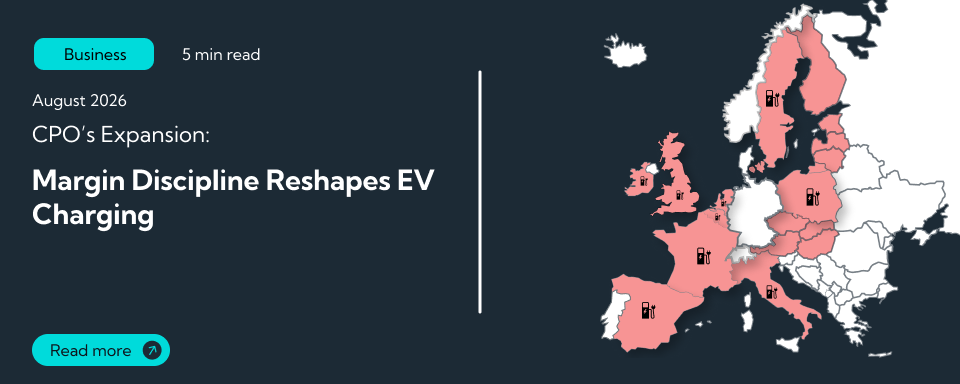
August 2026: Margin Discipline Reshapes EV Charging
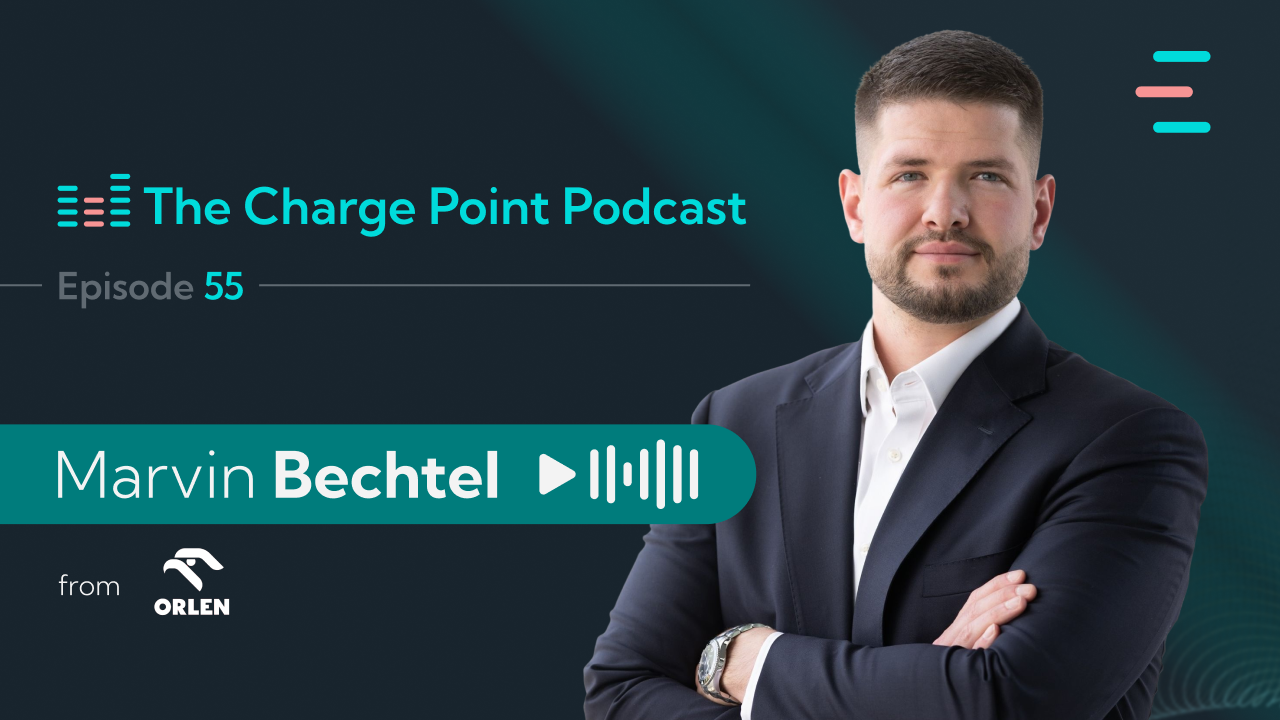
Scaling EV Charging Without Scaling Complexity: Five Lessons from ORLEN
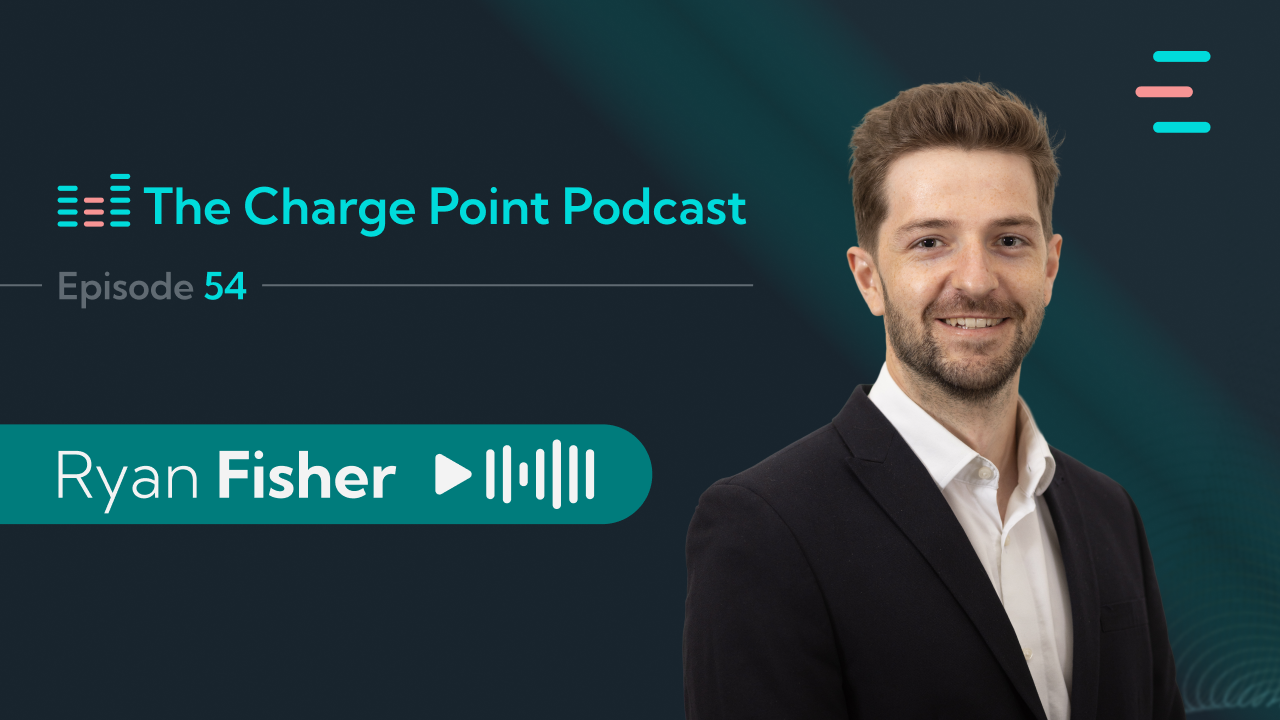
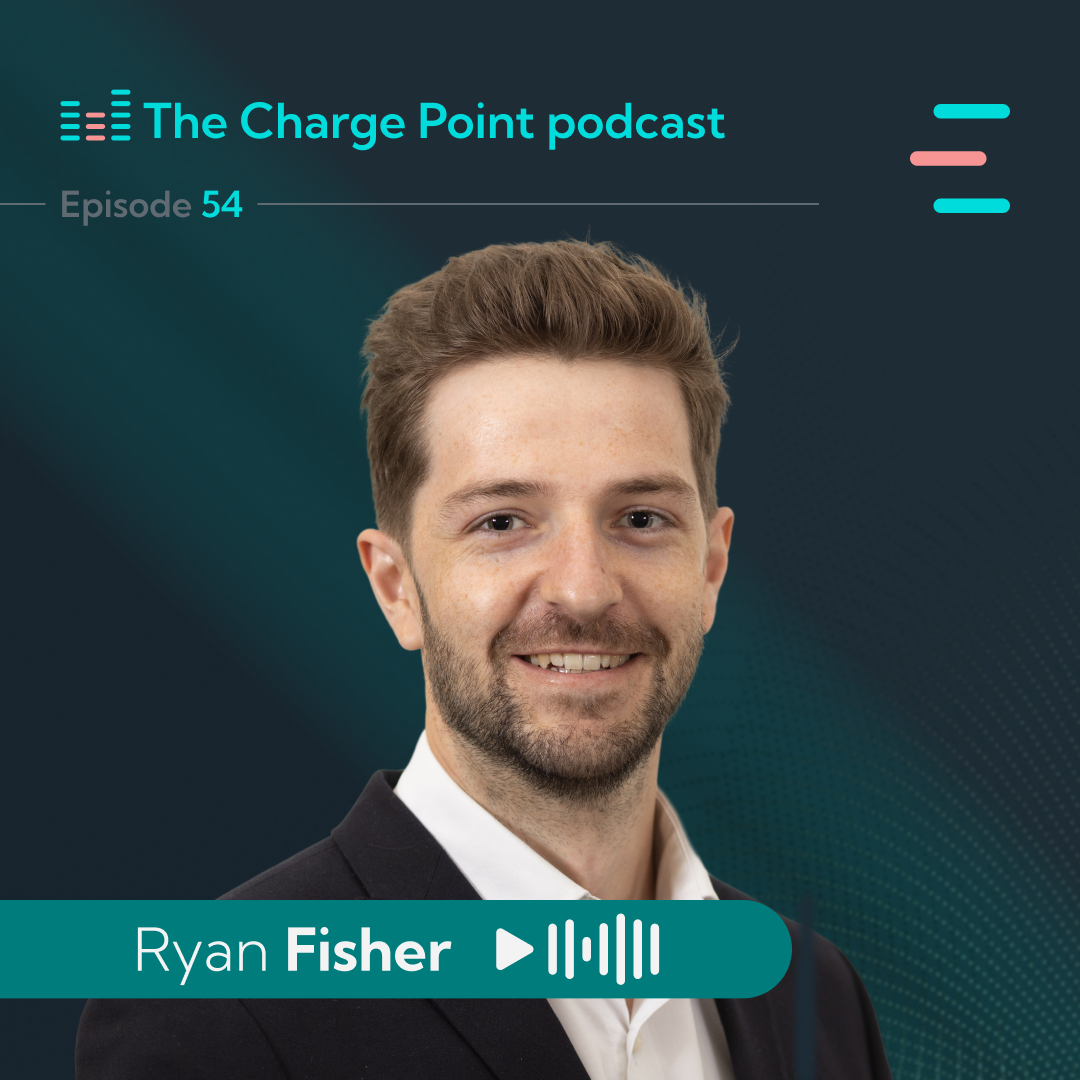
How Cheap Batteries Are Changing EV Charging Infrastructure - Interview with Ryan Fisher, BloombergNEF

Get started with
FLEXECHARGE
Contact our team to learn more about what we can help you achieve with our open, vendor agnostic platform and powerful solutions.