Insufficient grid capacity
Open or expand sites within the grid connection you already have.
The problem
Your chargers can draw more than your connection supplies
Installed charger power adds up fast, and the grid connection rarely keeps pace. A bigger connection can mean a long wait and a costly upgrade. Meanwhile the site either doesn't open or runs below what it was built for.

Blocked new sites
The connection a new location needs isn't available yet, or not for a long time. The site waits, or opens with fewer chargers than planned.

Stalled expansion
An existing site is at its limit. Adding chargers would push demand past what the connection allows.

Uncontrolled site loads
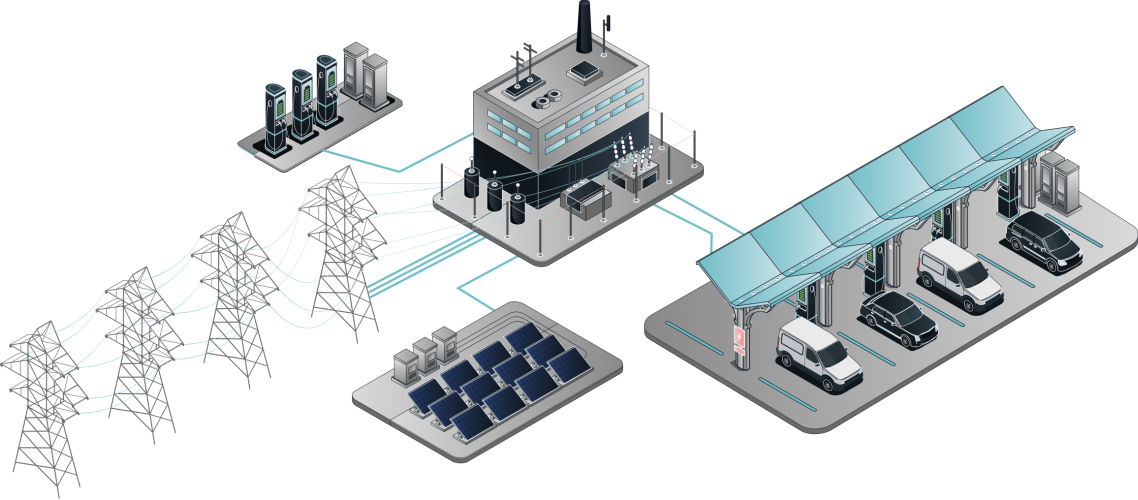
Buildings, chargers, solar, batteries and local infrastructure can compete for the same power capacity.
How we solve it
Two ways to get more
from the same connection
01.
Use the available power better
stations, ensuring efficient energy use even during high-demand periods.
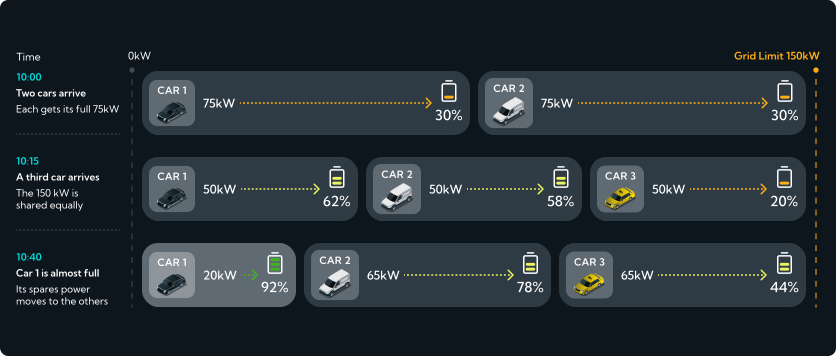
network performance and preventing grid overload.
02.
Boost with a battery
when charging demand rises above what the connection can supply.
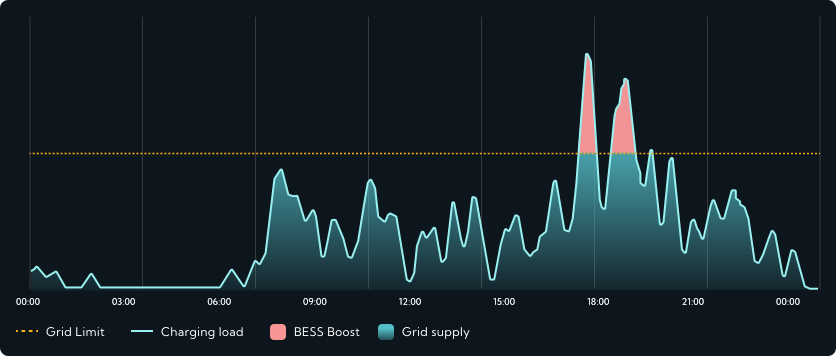
power and stored energy allow.
Capabilities
What makes it work

Dynamic Load Management
Automatically adjust power allocation in real-time based on-site conditions to prevent overloads and ensure reliable charging.

Dynamic Allocation
Dynamic Allocation reduces the allocated current to a charge point, if the vehicle draws less than the allocated current over time. The load manager then redistributes the unused charge current to other charge points, if needed.

Peak Capping
Holds site demand under the connection limit at every moment. Other site loads keep priority; charging power adjusts.

BESS Boost Charging
The battery covers demand above the site limit whenever it has energy to spare.
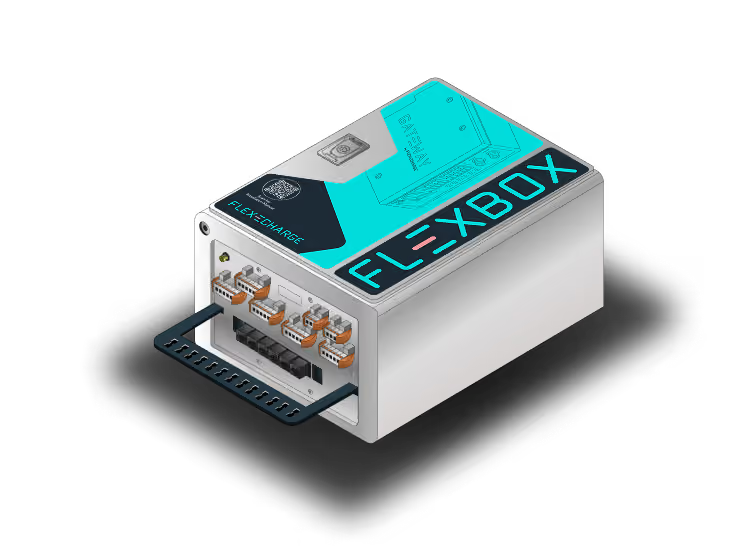
Keep your hubs online, even
when the cloud isn’t.
With the FLEXBOX as your on-site controller, load is managed locally for rock-solid uptime and real-time response. Unlike cloud-only systems, it keeps operations running - no matter the connection.
More features behind the solution

Multi-Level Clustering
Separate limits for areas, cabinets and charger groups that mirror your site’s wiring

Prioritisation
Customer-facing fast chargers keep their power; lower-priority chargers ease off first.

Dynamic Phase Balancing
Spreads AC charging across phases, so one phase doesn’t trip while the others sit half-used.

Virtual Power Meter
Treats several grid connections as one, so you can use their combined capacity.
Hardware that enhances our intelligence
Built to execute.
Designed to empower.
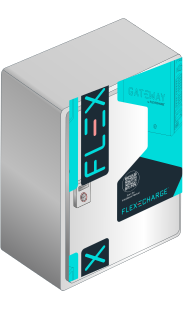
At FLEXECHARGE, hardware isn’t an afterthought, it’s what makes our
software smarter and your operations more resilient. Our hardware brings
local intelligence and regulatory readiness directly to your site.

Where it makes the difference
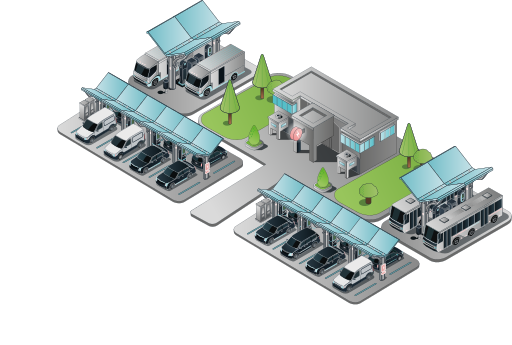
A high-power hub without its full connection yet
Open with the capacity you can get and share it across chargers. Add a battery later if the busiest hours need more.
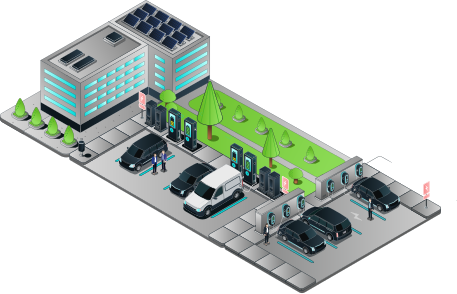
A site that’s out of room
Dynamic allocation frees capacity within the same limit, and a battery covers the peaks that remain.
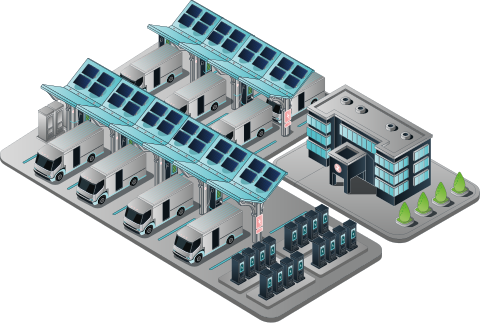
Charging next to a shop, office or depot
Chargers use what the building isn’t using and step back when the building needs it.
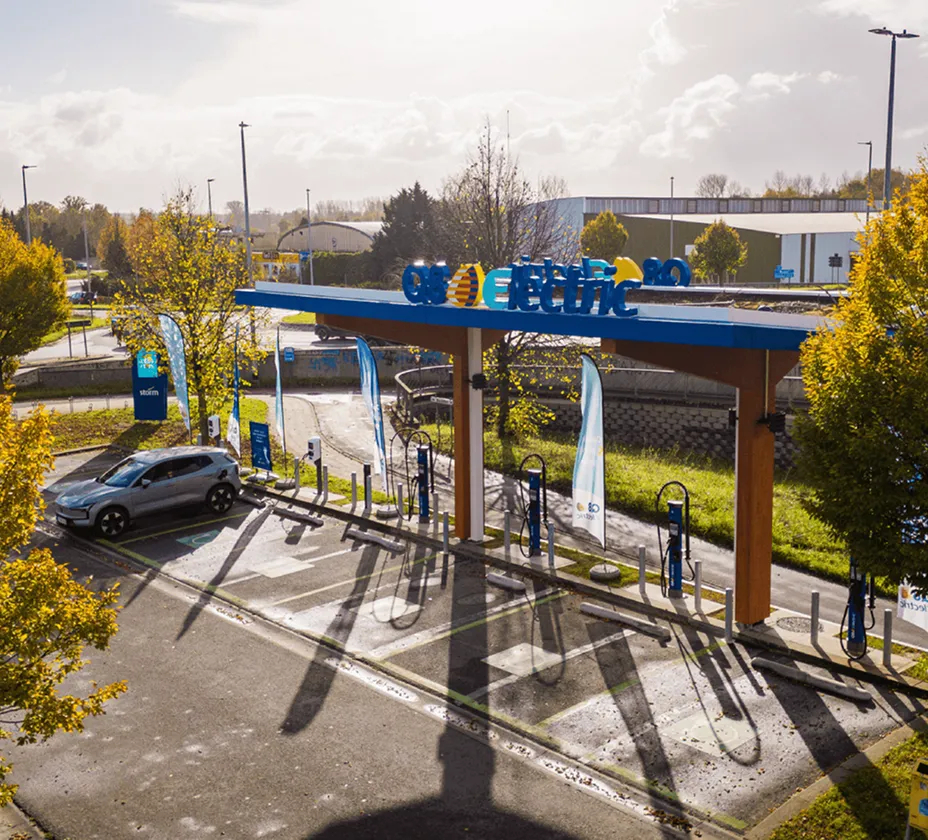
Proof
Operators running it today

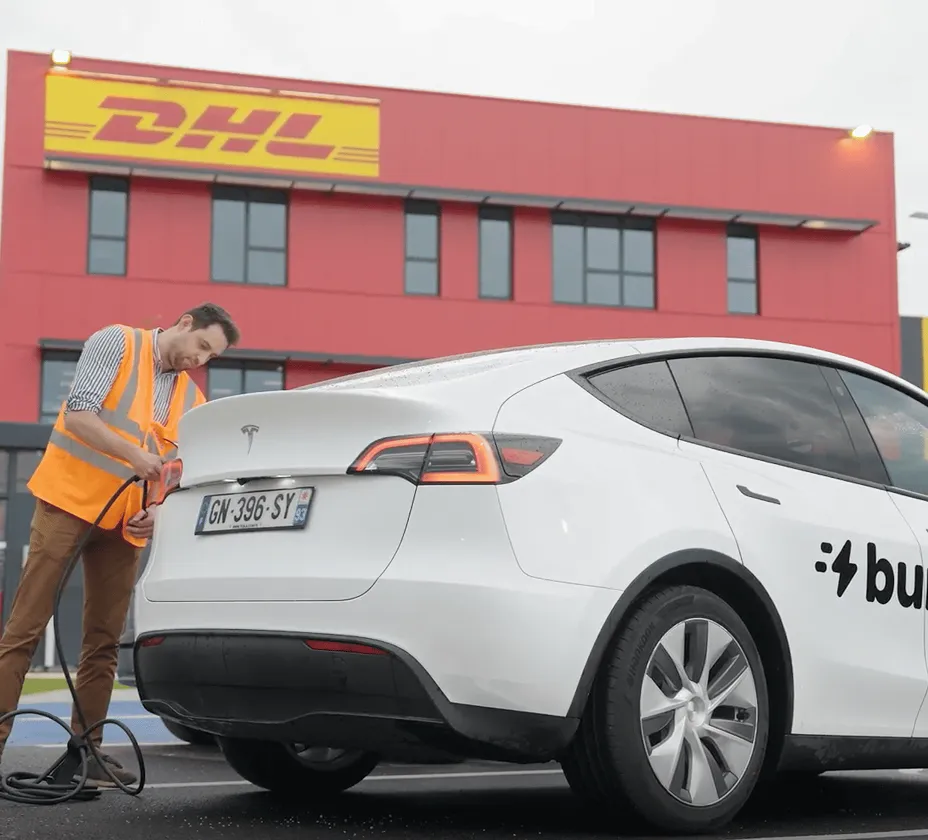

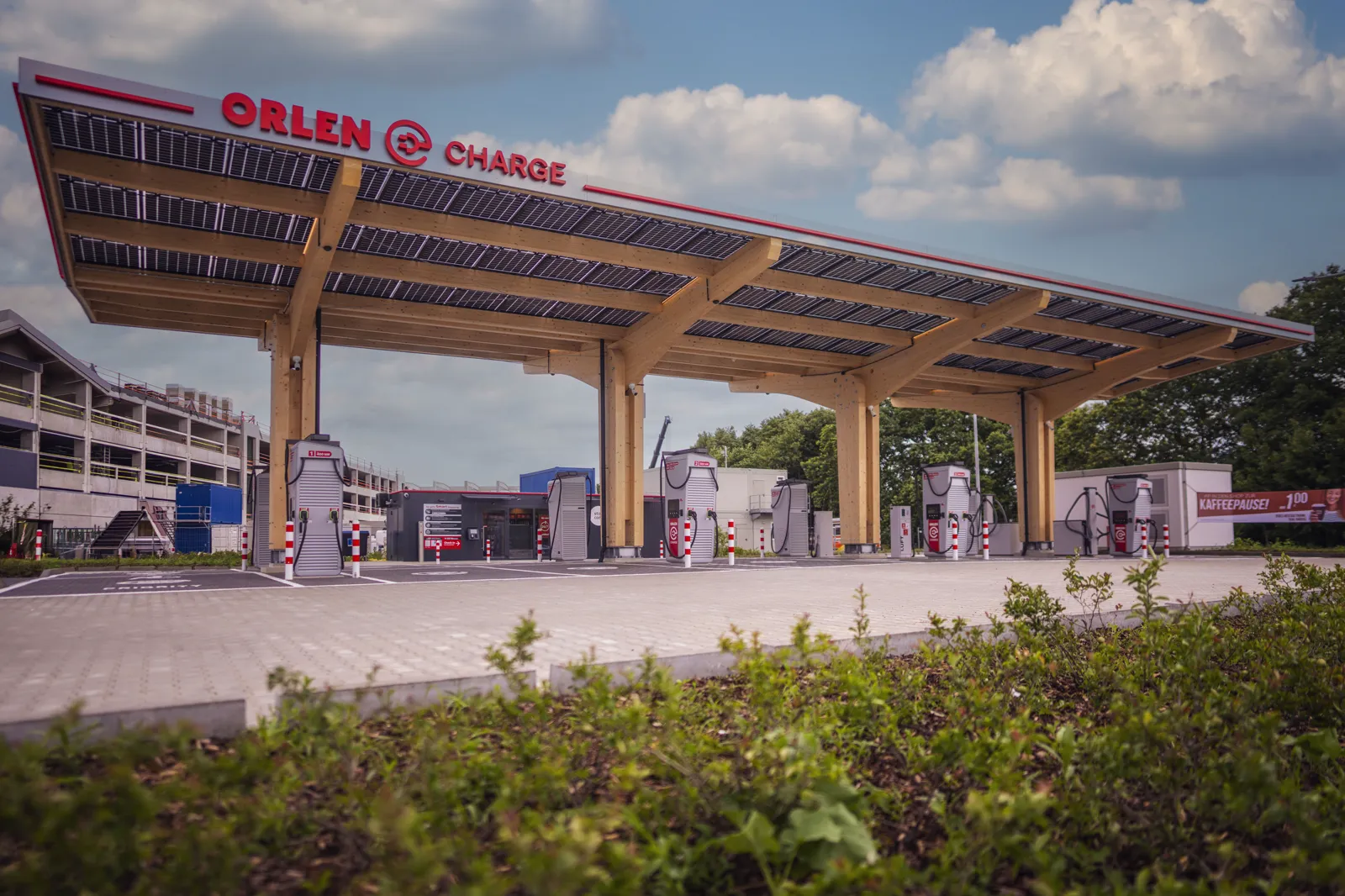

Go deeper
Learn more about load management
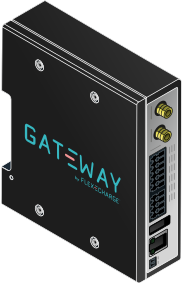
The local controller

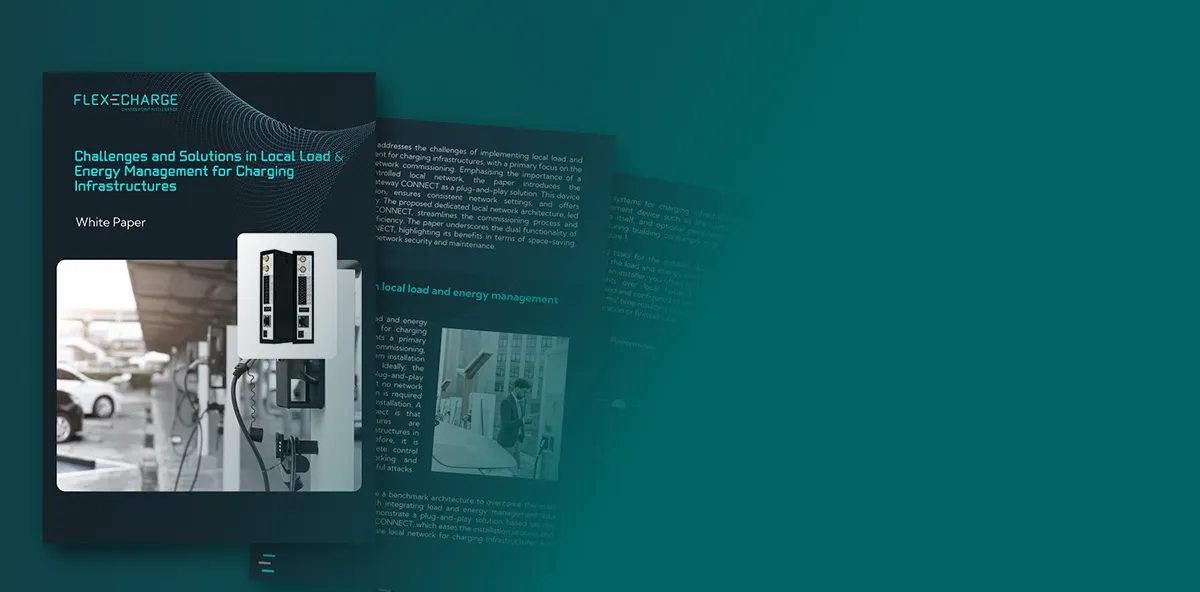
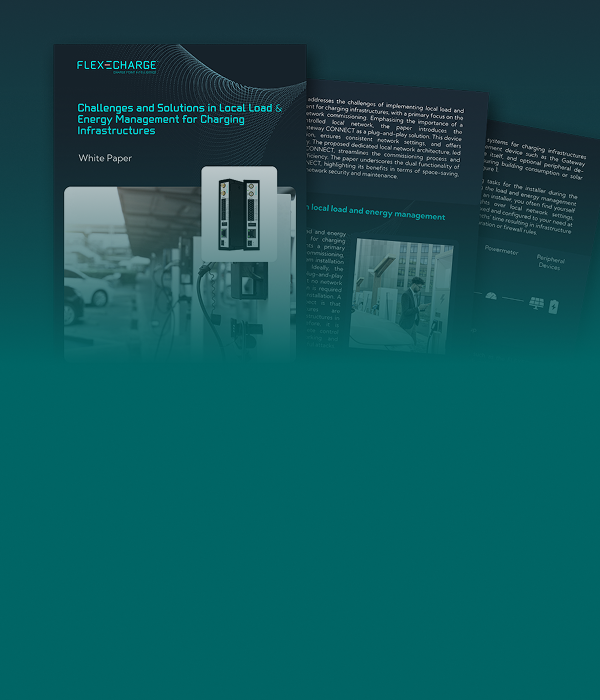
Why is Load & Energy Management fundamental for EV charging?
Combining local and cloud-based load management
Webinar
Optimise Masterclass Part 2:
The Power of Local Load Management

Questions operators ask
Can I add chargers without upgrading my grid connection?

Often yes, up to a point. Dynamic load management shares the existing capacity across more chargers, and a battery can cover the busiest periods. Whether it’s enough depends on your demand profile and how much slower charging you accept at peak times.
Do I need static or dynamic load management?

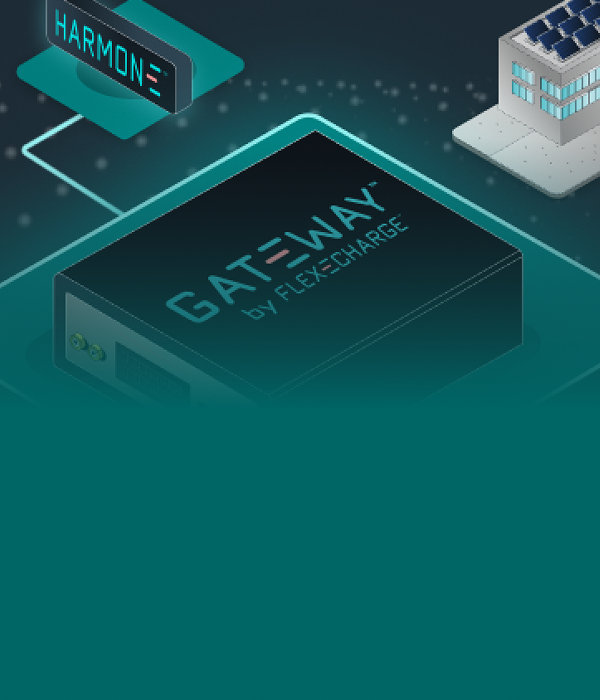
You have the choice between two load management setups. Static Load Management through a mobile network connection or Dynamic Load Management through a local data network. Static: integrate connected charging stations directly with our HARMON-E platform for ultra-flexible load management. Dynamic: integrate charging stations with local energy assets like buildings, PV-systems, or stationary batteries, thanks to the GATEWAY for truly dynamic load management.