Underused battery capacity
HARMON-E puts the battery to work in the hours between, cutting peak charges, shifting energy to cheaper hours or earning from flexibility markets. Charging always comes first.
The problem
A battery doing one job
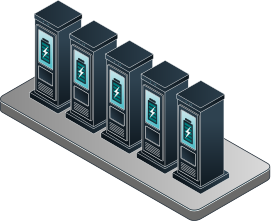
Most co-located batteries are bought for one reason, usually to support charging or cap peaks. Used that way, the battery is idle for much of the day and the business case rests on a single value stream.

Idle hours
Tell us about your battery. We’ll map what else it can do.

Uses that pull in different directions
Charging support, tariff savings and market bids conflict if separate systems run them.

Markets that are hard to enter
Flexibility markets need prequalification, forecasting and a balancing service provider before the first euro comes in.
How we solve it
One battery, several jobs
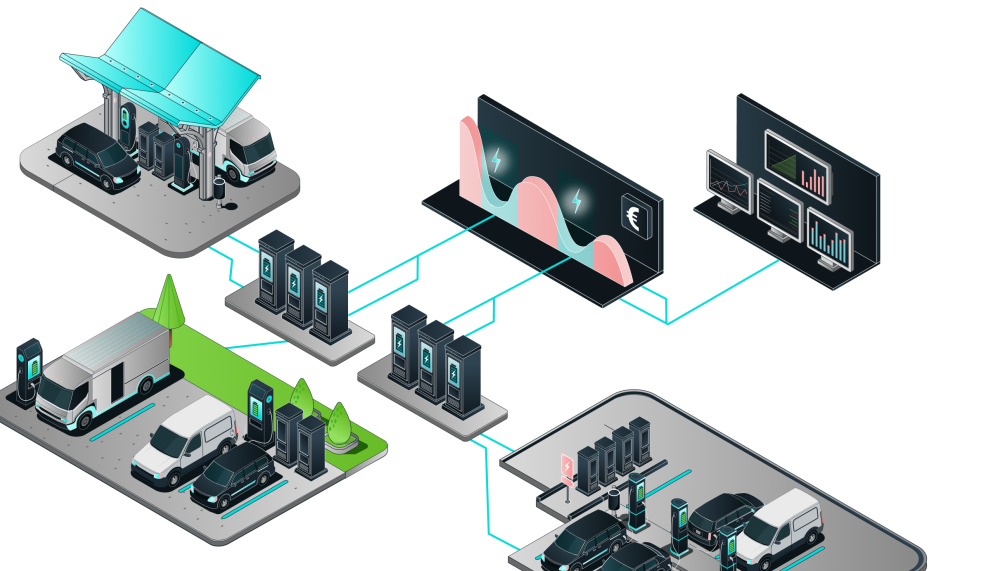
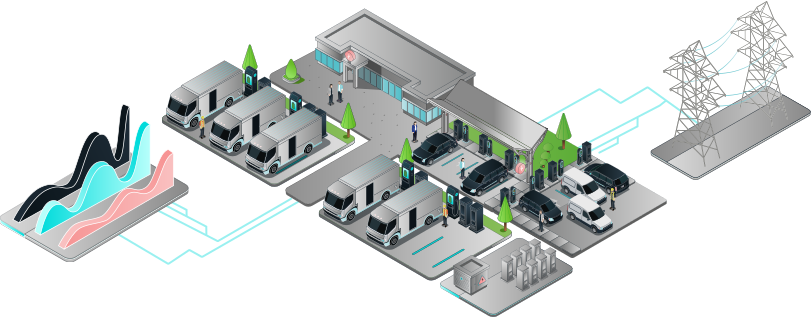
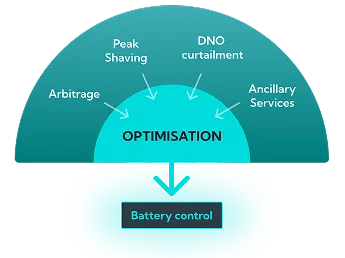
HARMON-E runs every job in one control logic, in a fixed order: the grid limits and DSO signals first then charging, then savings or market revenue.
Each job only uses the capacity the one before it doesn't need.
01.
Support charging
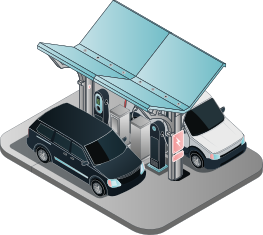
The battery adds power on top of the grid connection when charging demand is high. This capacity is never offered to the market.
02.
Cut peak costs
It covers demand above your peak shaving limit, so the monthly peak that sets your demand charge stays down. The limit holds even while the battery is shifting energy to cheaper hours, because it always keeps a reserve back for peaks.
03.
Shift energy to cheaper hours
It charges when prices are low and discharges when they're high, always keeping a reserve to protect the connection. On days when prices barely move, it rests instead of cycling for nothing.
04.
Earn from flexibility markets
Our BSP network covers markets across Europe. Charging still comes first.
Participate in:
aFFR
Local Flexibility Markets
FCR-D
~70 %
15.8 %
€ 8,332
Calculator
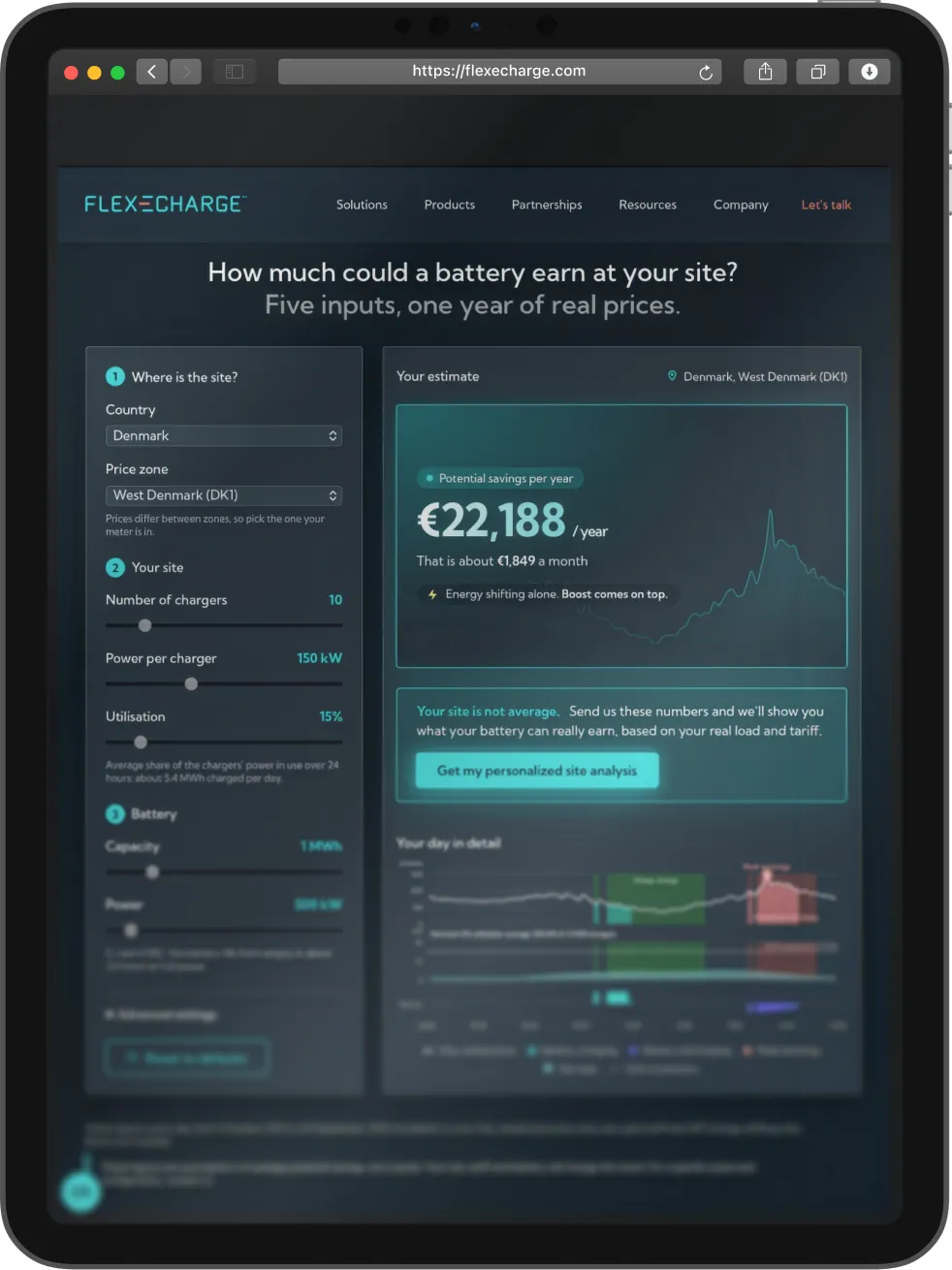
Test it on real prices
See what shifting energy to cheaper hours could save at a site like yours. Pick your price zone, site type and battery, and the calculator runs a full year of real day-ahead prices.
28 price zones
across 16 countries
365 days
of real day-ahead prices
15 min
simulation resolution
Capabilities
What makes it work

BESS monitoring & control
Reserve floors keep enough charge for boost, so tariff savings or market trading never leave the chargers short.

BESS ToU Dispatching
Charges in cheap hours, discharges in expensive ones, keeps a reserve for the connection.

BESS Boost Charging
Adds power above the grid limit for charging.

BSP & API interfacing
Connects the battery to balancing service providers and trading platforms for schedules, prices and activation signals.
More features behind the solution

State-of-charge management
Floors and reserves so the battery is ready for the job that matters most.

Self-Consumption Optimisation (coming 2027)
Stores surplus solar in the battery and uses it later for charging and site load.

Capacity Forecasting
How much flexibility can reliably be offered over the next 24 hours.
Battery health policies
SoC smoothing, daily cycle tracking and C-rate visibility keep the battery within manufacturer guidance.

BESS-based Peak Shaving
See Peak power surcharges.

DSO curtailment
Grid operator signals always override every other job. When the site is curtailed, the battery backfills the missing power, so charging keeps running.
What it works with
Balancing service providers
Here are some of the leading BSPs that we have integrated with







Virtual Power Plant
What if your optimized energy could
power a new income channel?
We enable Charge Point Operators to aggregate the flexibility from their commercial charging
and energy assets into a Virtual Power Plant to support the grid and drive new revenues.
Participate in:
FCR-D
Local Flexibility Markets
aFFR
Proof
Operators running it today



Go deeper
Learn more about load management
Get more from every battery
Webinar
Product-led
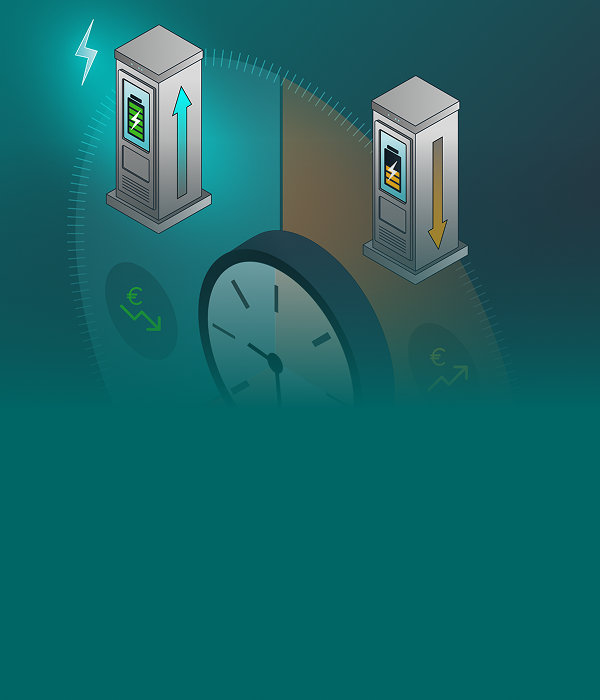
Cheap power in, fast charging out

Webinar
Optimise Masterclass Part 3:
Compliance First

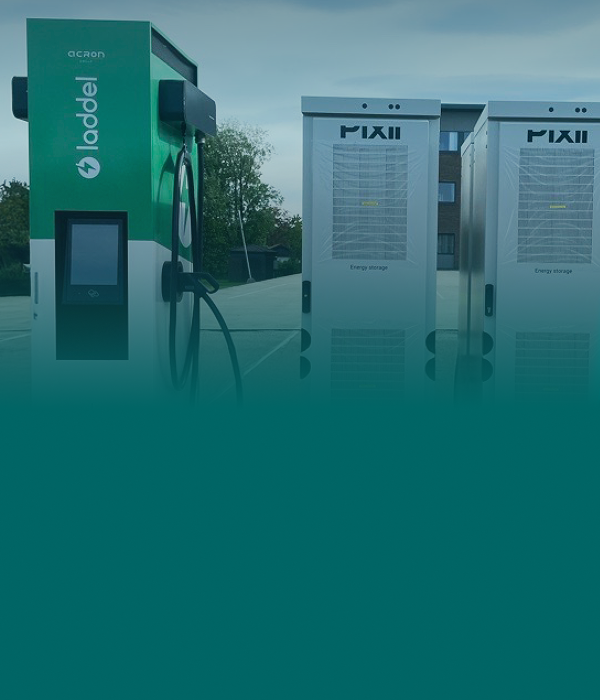
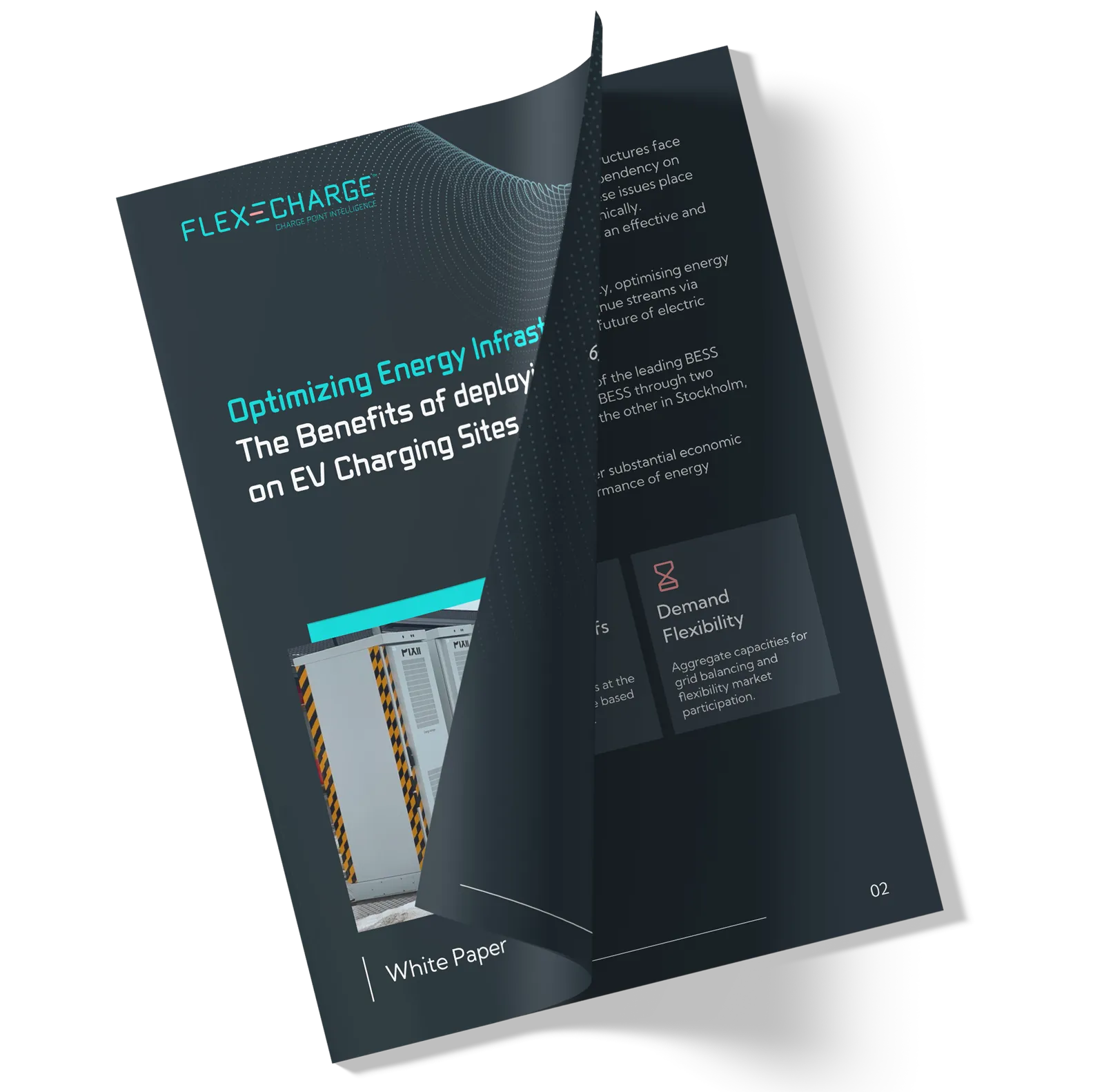
Exploring the benefits of co-located batteries.
Questions operators ask
What is battery value stacking?

Using one battery for several purposes, such as charging support, peak shaving, energy arbitrage and flexibility services, coordinated so the uses don’t conflict.
Do I need a balancing service provider?

Only if you want to earn from flexibility markets. Charging support, peak shaving and shifting energy to cheaper hours run without one. For market revenue, a certified BSP partner handles prequalification, market access and settlement, while HARMON-E handles the forecasting and real-time control of the battery.
Will this leave my chargers short?
No. HARMON-E runs every job in a fixed order: grid limits and DSO signals first, then charging, then savings or market revenue. The capacity reserved for charging support is never offered to the market, and reserve floors keep enough charge in the battery for boost.
Why don't the savings simply add up?
Each job can only use the capacity the job before it doesn’t need. Energy held back for peaks can’t also be shifted to cheaper hours or bid into a market, so the combined value is lower than the sum of each use on its own. How much each stream adds depends on your tariff, your market’s price spreads and how busy the battery already is.
Do I need a dynamic tariff?
No. The battery can follow a fixed daily schedule of cheap and expensive hours, or it can be set automatically each day from next-day prices. Larger price differences between hours mean more savings from energy shifting. Peak shaving reduces your demand charge either way.
Will stacking wear out my battery?
HARMON-E keeps the battery within the manufacturer’s guidance through SoC smoothing, daily cycle tracking and C-rate visibility. On days when prices barely move, the battery rests instead of cycling for no benefit.
Does it work with my battery?
HARMON-E connects to batteries over Modbus, OCPP or MQTT. Modbus batteries are integrated from a list of validated devices, so check our compatibility list or ask us about your model. Link there is: https://support.flexecharge.com/hc/en-dk/sections/15968908149916-Compatibility